American Gam
Mr. CharlieA great American road trip
 | Peace on Kodi |
 | AOL on Kodi |
 | grammysg on Rincon Revisited |
| Peace on Rincon Revisited |
| AOL on Rincon Revisited |
“I’m definitely drawn to stories of just regular folks, just generally in some kind of horrific situation. I keep saying I want to do a love story in the south of France with a boy and a girl and some wine. Then I always end up in an oil rig with four hundred guys or on a mountain with guys shooting at each other.” ~ Peter Berg

One day, while here in Morgan City, I traveled solo to the other side of town to visit the only oil rig in the world accessible by…anyone! You can take a tour on most days and see what it’s like to live and work out on a real operating oil rig! Cool, right!?
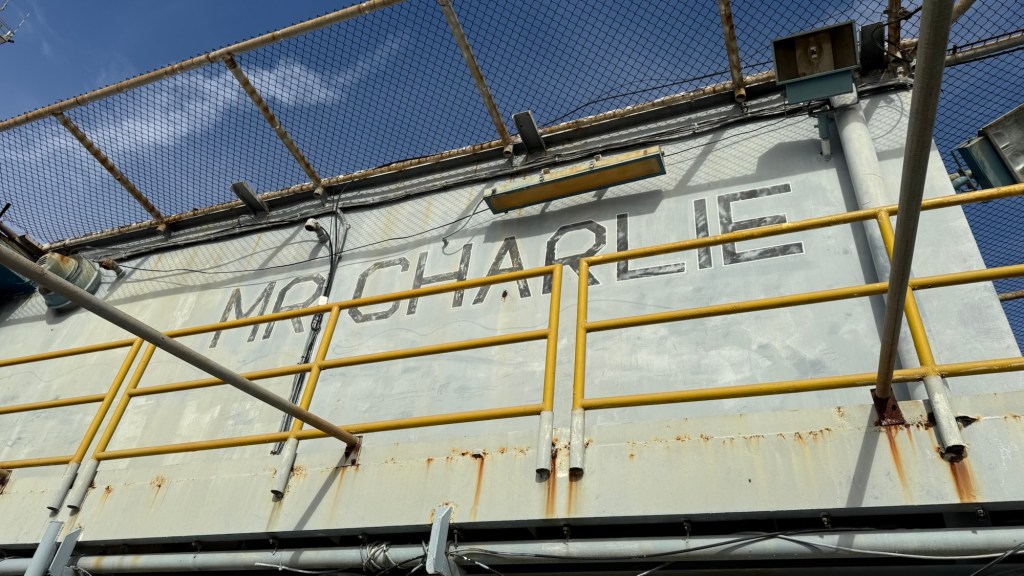
More awesome than that is the fact that I was the only person that day to show up for a tour! I offered to Bryce, the tour guide, to bow out and not waste his time hosting just one person but he said that he occasionally only gets only one person and he is more than happy to educate people about the rig one person at a time. So…he gave me a one hour tour up and around and all throughout this behemoth of machinery.
The following historical and technical information is from RigMuseum.com:
From 1954 to 1986 Mr. Charlie drilled hundreds of offshore wells off the coast of Morgan City, Louisiana in the Gulf of Mexico. He was a Mobile Offshore Drilling Unit (MODU), the first transportable, submersible, offshore, drilling rig and an industry springboard to the current offshore rig technology. Its design and success revolutionized the process of drilling for oil far offshore by demonstrating the viability of a floating, portable oil rig with a submersible barge, able to venture out to sea to reach vast, previously untapped underwater oil fields.
Mr. Charlie was built in 1952 and finished in 1954. In 1954 he went to work for Shell Oil Company, drilling a new field in East Bay, near the mouth of the Mississippi River. Despite skepticism from offshore industry professionals, Mr. Charlie performed up to expectations and went on to drill hundreds of wells for every other major oil company operating in the Gulf, with a cumulative depth of over 2.5 million feet.
His barge is approximately 220 feet long and 74 feet wide. Under the living quarters pontoons extend the width to 136 feet. The barge is fourteen feet deep, with a four foot skirt extending below its bottom on both port and starboard sides. The floor of the platform is sixty feet above the barge, supported by the massive legs that serve to connect the barge and platform. These legs also serve as conduit for connecting services such as: electric, water & air lines, elevator access and other services needed to operate an independent facility, out of sight of land.
Mr. Charlie could accommodate a crew of 58. Once Mr. Charlie was on location, he was an independent island and nearly totally self-sufficient with room to store drinking water, food, and supplies for the crew. He generated his own electricity, disposed of his own waste, provided his own communication system, and contained enough fuel to accomplish these tasks. He also maintained supplies and equipment to perform his job of drilling a well. He also had to be prepared for any emergency with a complete fire fighting system, blow out preventers, and medical supplies and equipment.
Mr. Charlie was capable of drilling wells in water depths up to forty feet and had a prolific career lasting nearly four decades. He revolutionized the offshore oil industry in the Gulf and worldwide. He was retired in late 1986 when drilling activity headed into water deeper than he was built for. The offshore industry was born in Morgan City, and Mr. Charlie carried it into the Gulf of Mexico and shipped it around the globe. Mr. Charlie revolutionized the offshore oil industry and led to the technology currently being used around the world. This historic and renowned structure now continues in a new role, teaching others about an industry that changed the world; the offshore oil industry.

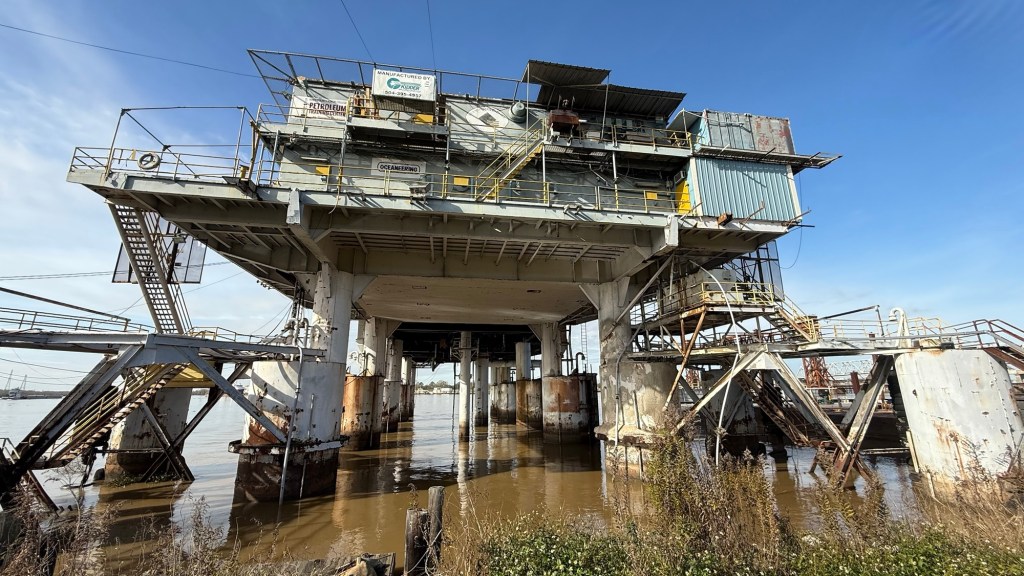


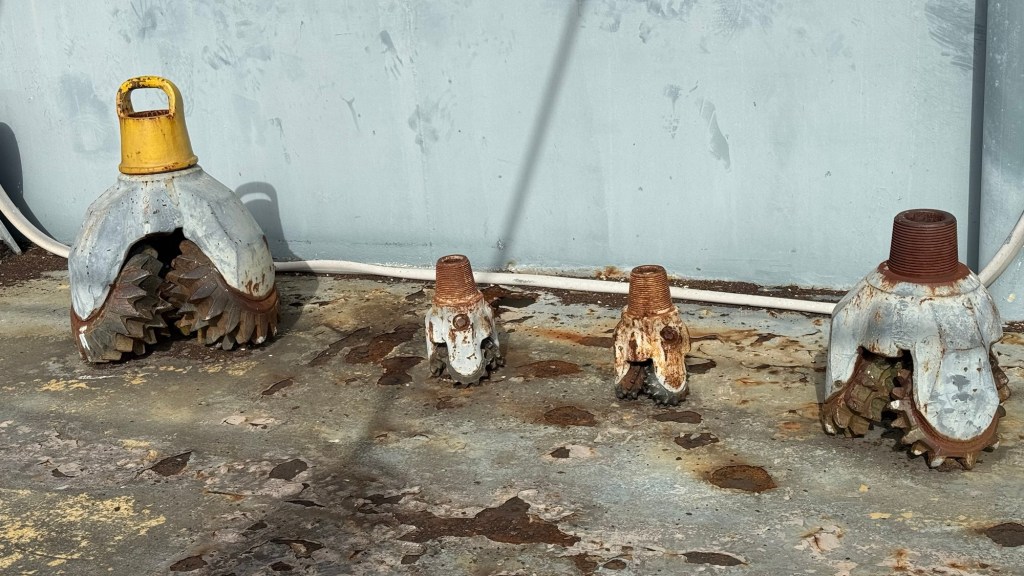


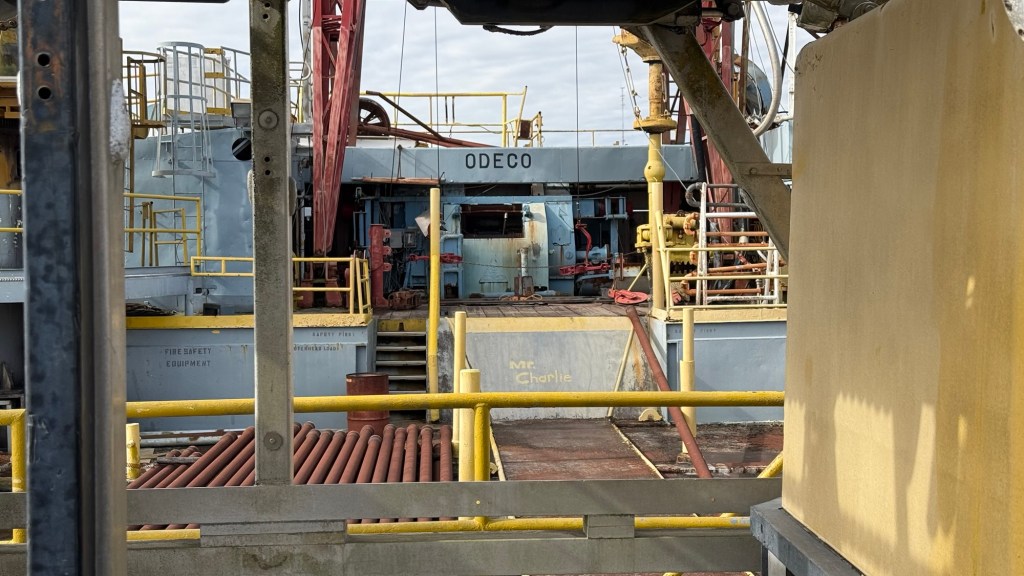


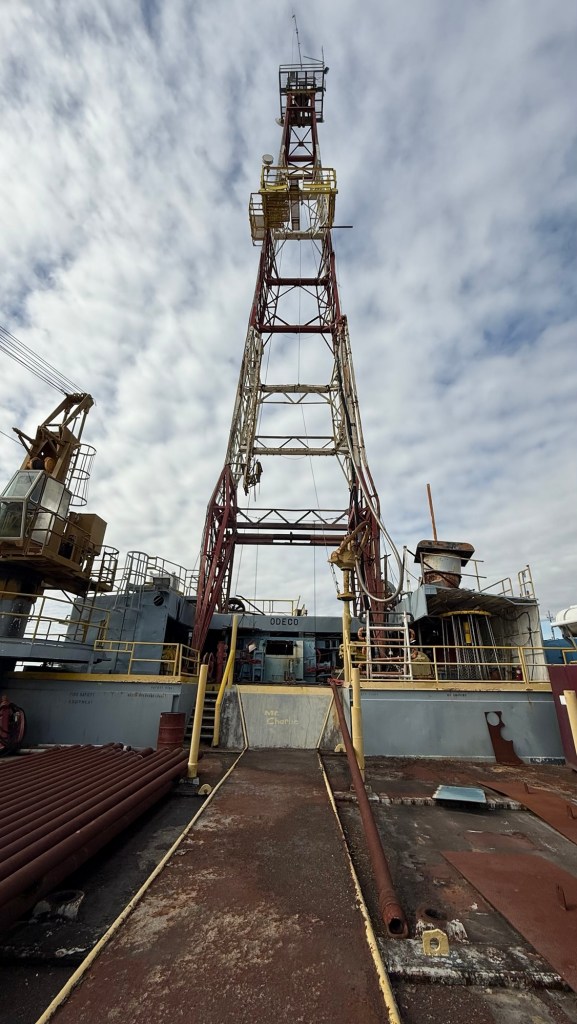
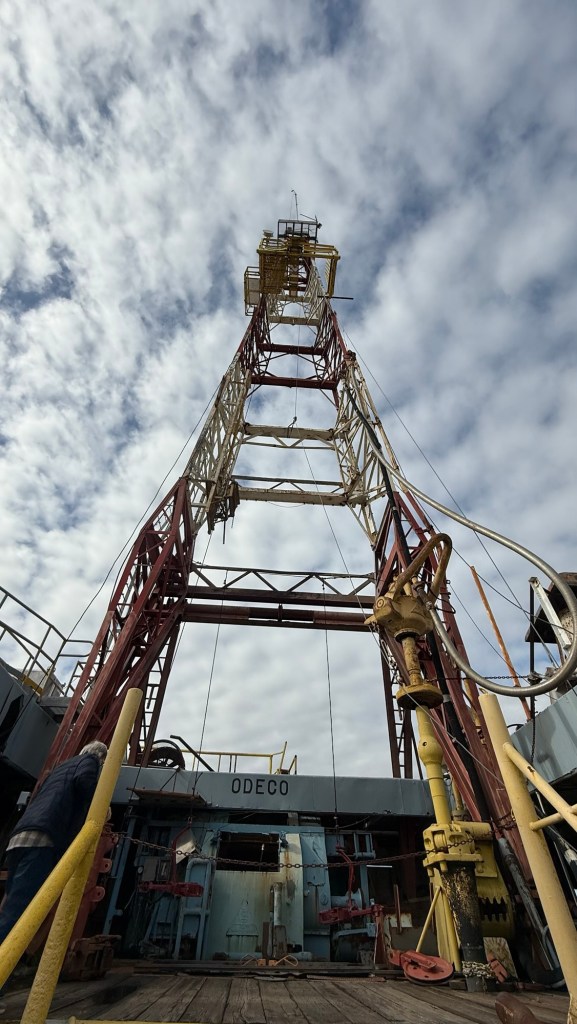

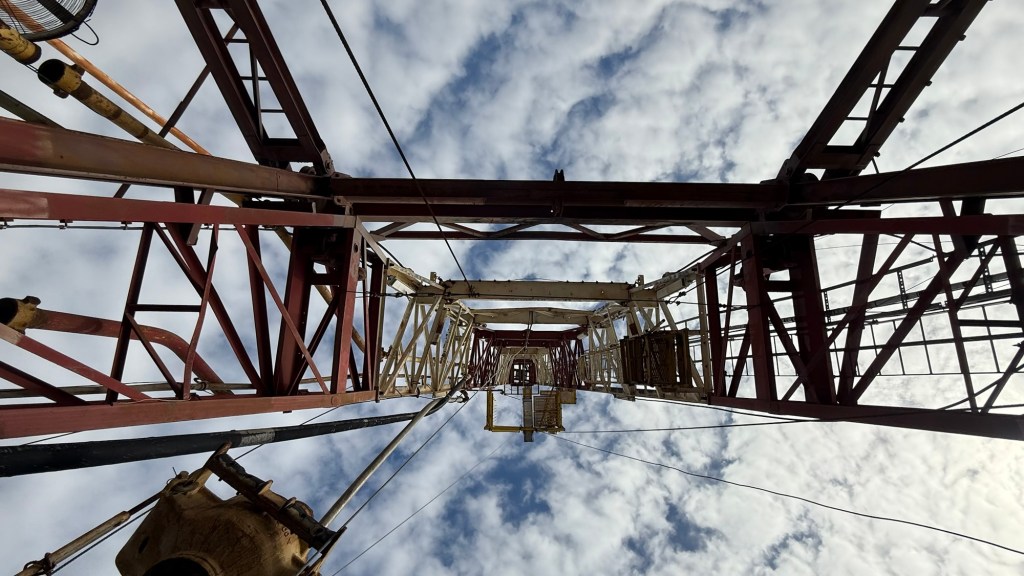
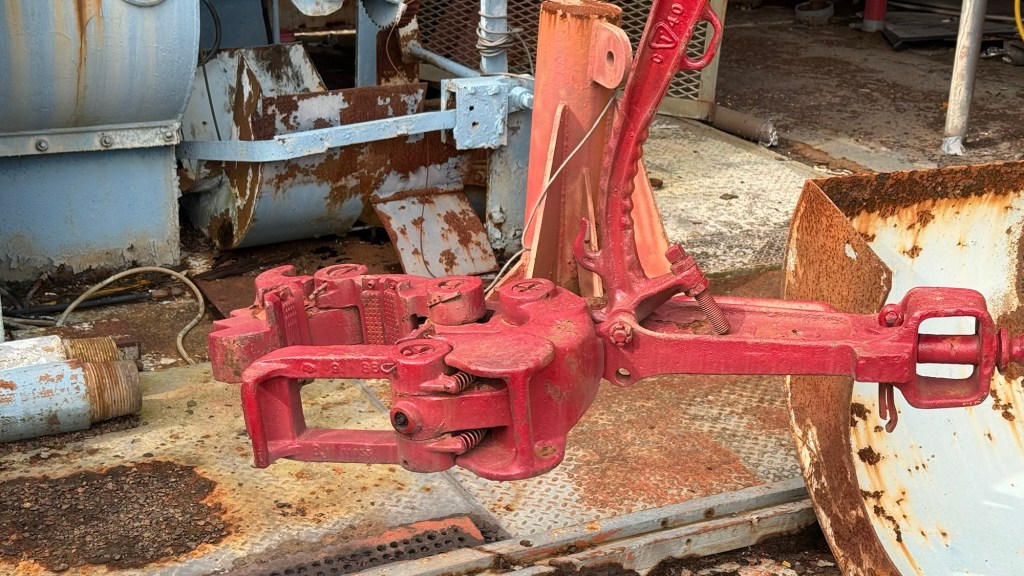
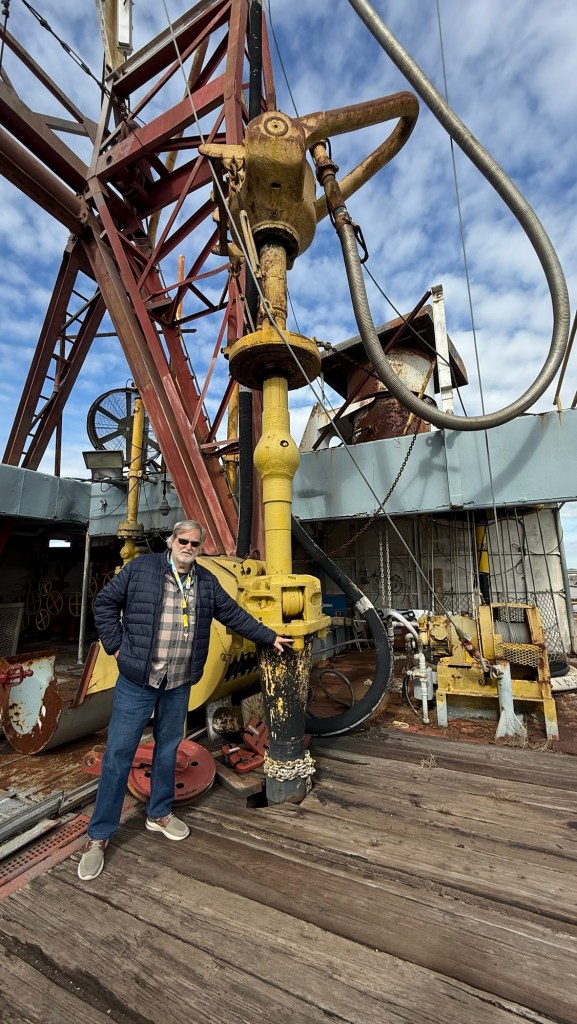
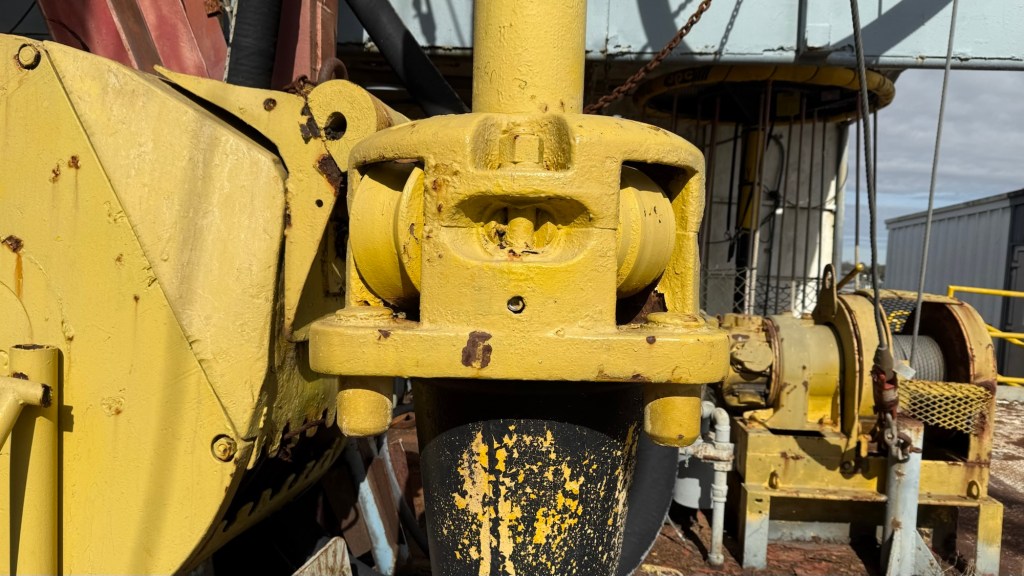

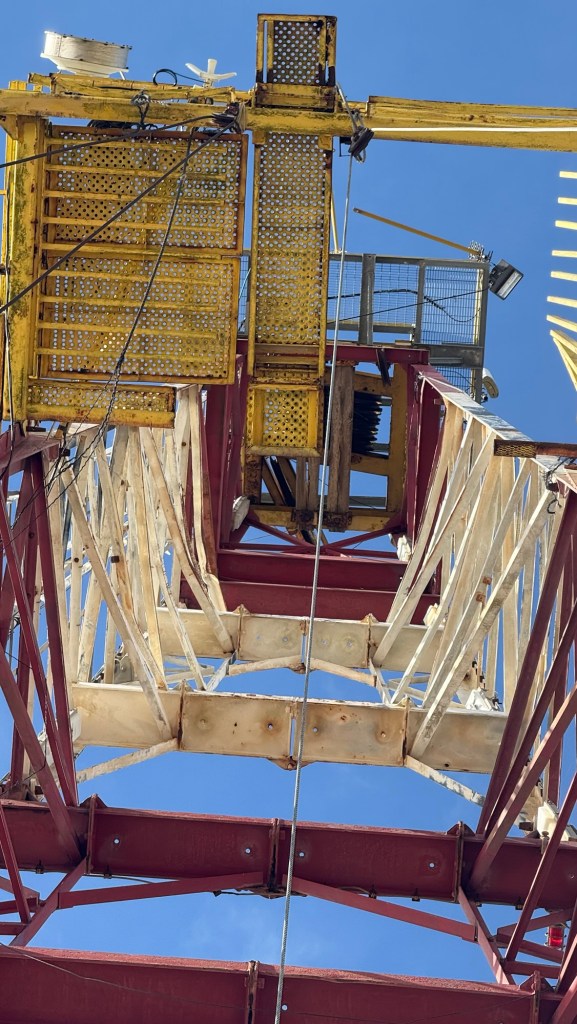
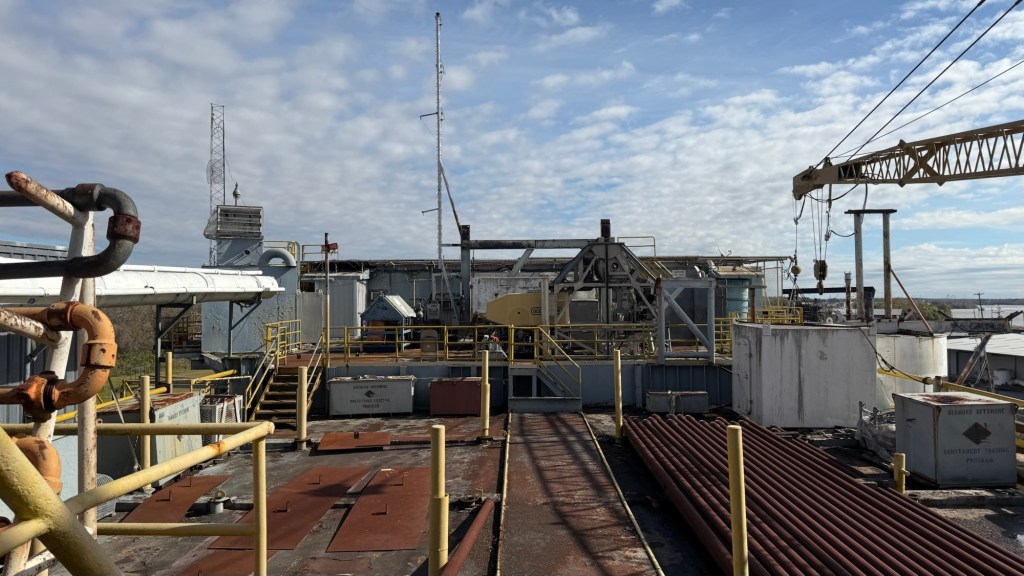
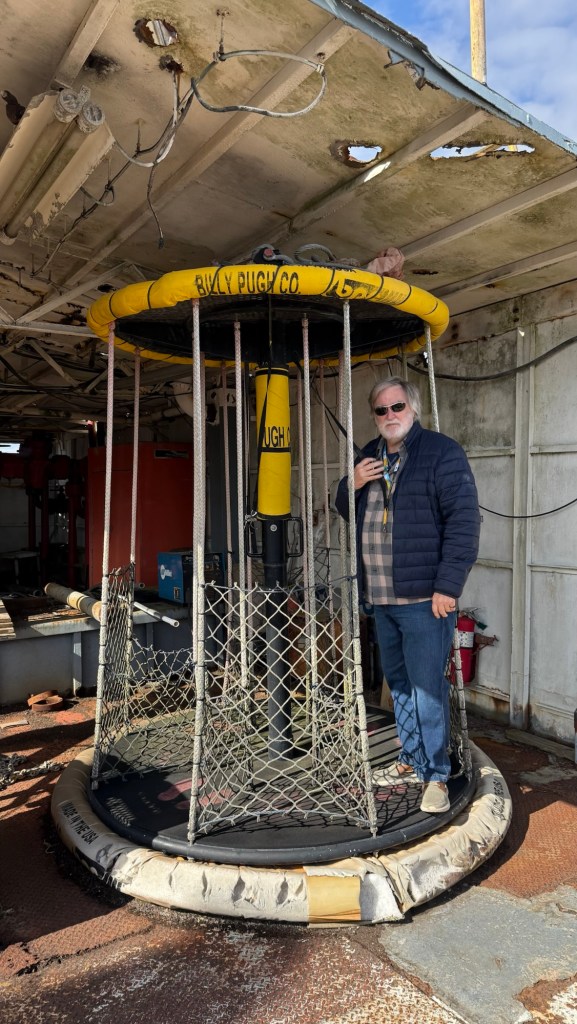
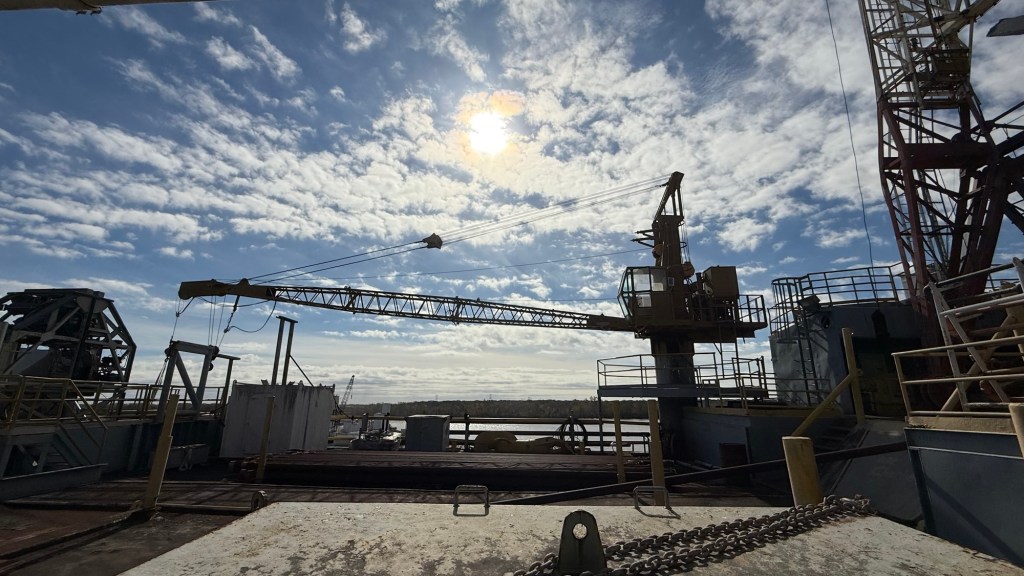
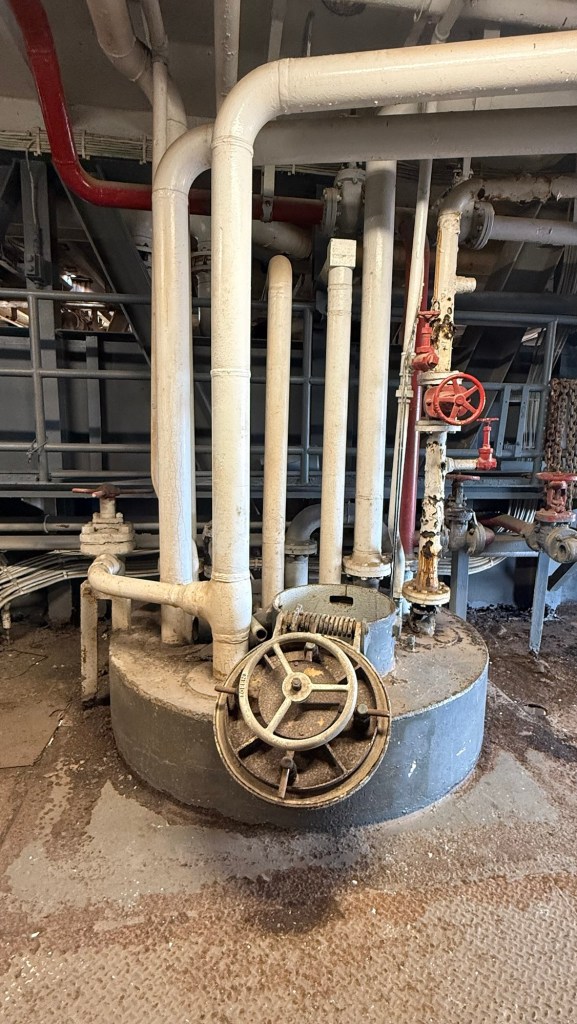

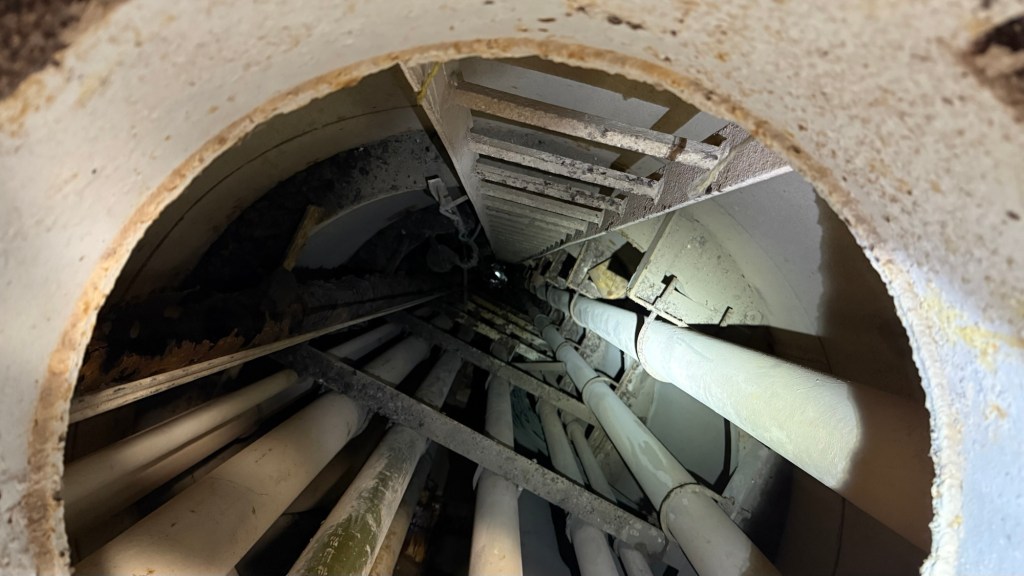

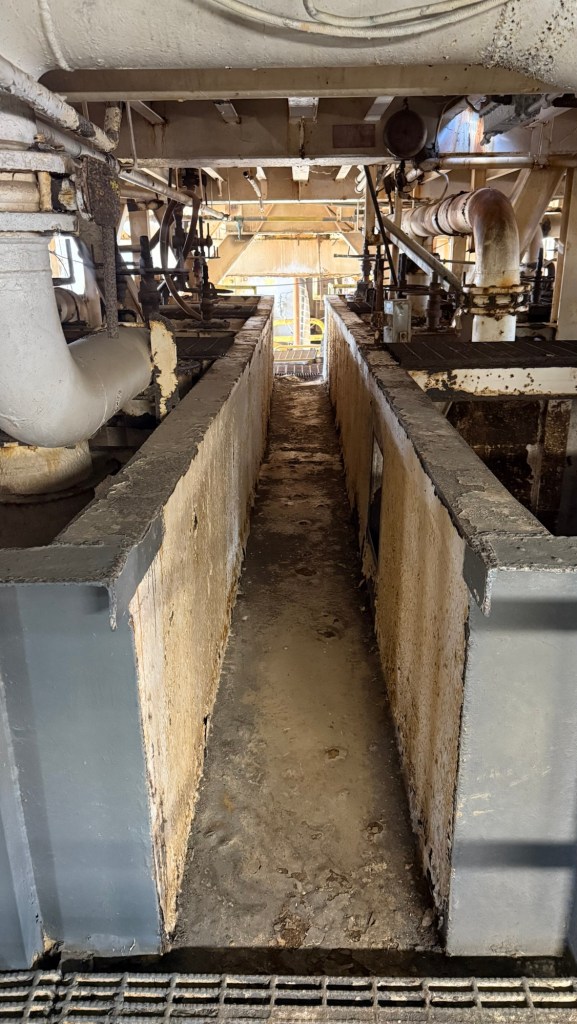


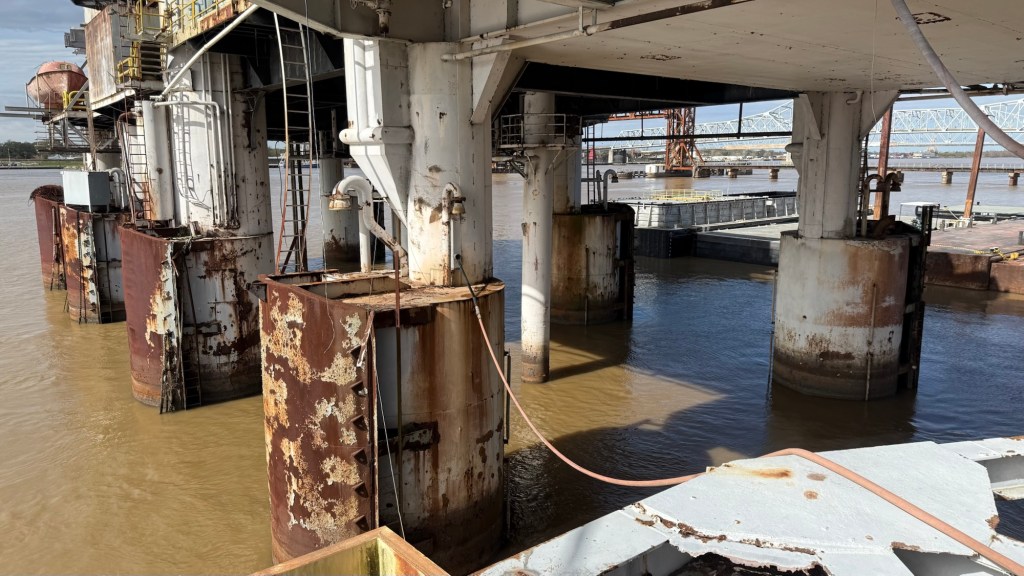
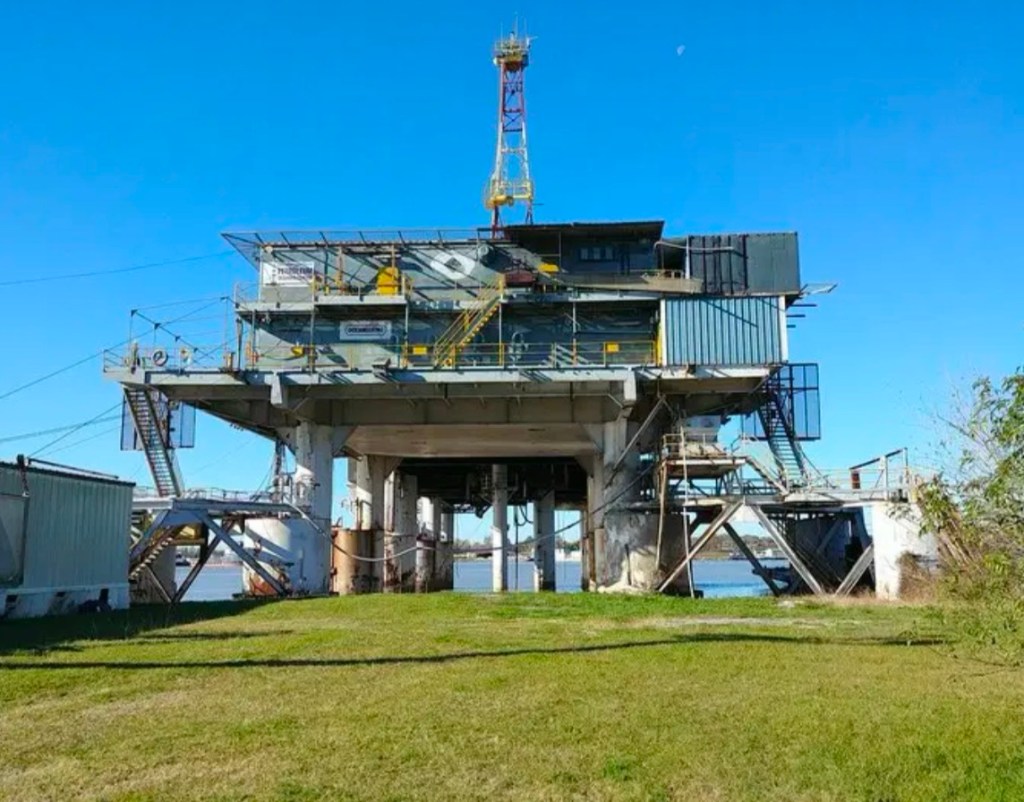
Bryce showed me what life is like on an offshore oil drilling platform like Mr. Charlie. He told me about all of the different jobs onboard, like the floorhands, also known as roughnecks, who do the hard manual labor like adding or subtracting pieces of drilling pipe that goes down into ground. He talked about the crane operator who would be up in the crane moving equipment around or the derrickhand, high aloft in the derrick tower guiding the drilling pipe sections through the “fingers” as they are raised or lowered during the drilling operation. There’s the roustabouts doing more technical manual labor and the rig manager overseeing it all. In between there’s also cooks, welders, and mechanics. On the technical side there’s the ballast control operator who maintains the oil rig’s position and stability; the drilling engineer who performs drilling tests and plans the exploration of new wells; and assisting him is the petroleum geologist who analyzes geological information that helps them identify new oil sites to explore. All of these people live a hard, lonely life away from land but are compensated well for their time on the well.
Of course, this rig wouldn’t be able to sustain without the crews onboard the ships and helicopters that transport needed supplies and provide a lifeline to the mainland.
Mr. Charlie has seen better days and is in need of much repair. The training classes have dwindled since COVID and touring is down slightly. They ask for a ten dollar per person donation for the tours, which you can schedule online. These donations go towards maintaining and restoring the rig. For me, it was worth it for the opportunity to check out this once-in-a-lifetime experience.
I hope you get a chance to visit Mr. Charlie if you’re ever in Morgan City.
The gam continues …

 American Gam
I enjoyed th