American Gam
Reptile GardensA great American road trip
 | Peace on Beavertail |
 | WAReynolds on I-90 |
| Peace on I-90 |
| Peace on SPAM |
| Peace on Green Giant |
“Without flowers, the reptiles, which had prospered in a leafy, fruitless world, would probably still rule. Without flowers, we would not be.“ ~ Loren Eiseley
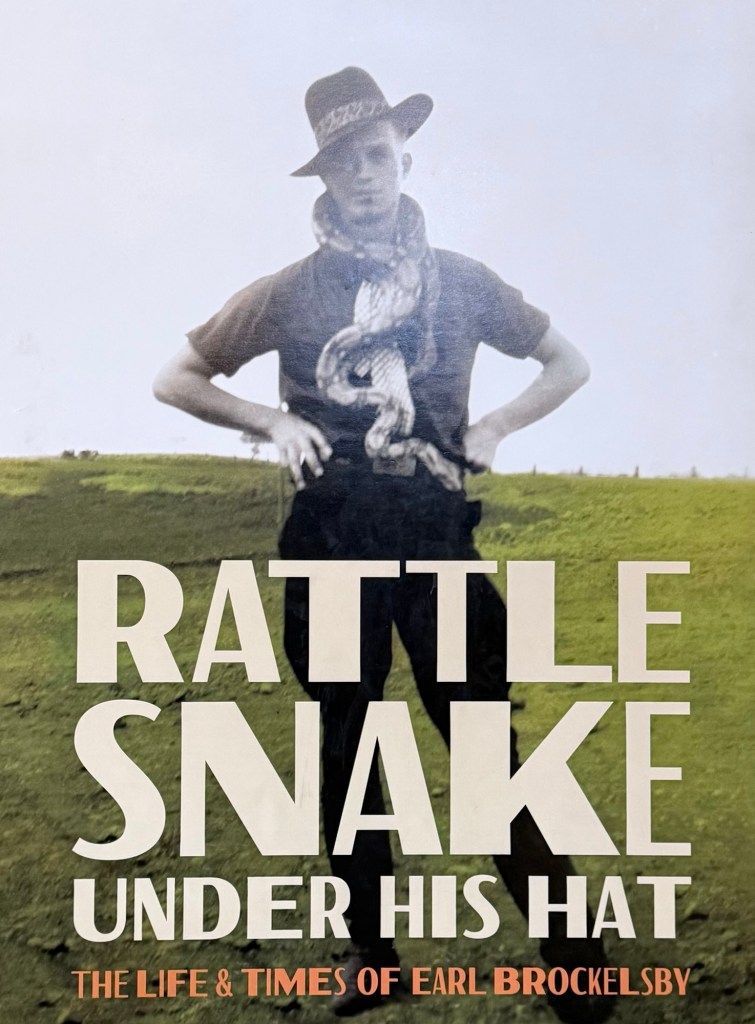
Reptile Gardens was founded in 1937 by Earl Brockelsby, who was famous for removing his cowboy hat at the end of a tour to reveal a live snake. Earl was a visionary of the South Dakota Tourism Industry. As early as 1935 Earl recognized the need and importance to bring and maintain visitors to the state.
Through his love and fascination with reptiles he created the Black Hills Reptile Gardens, an enterprise that would eventually become the world’s largest collection of reptiles in the world and one of the main attractions in South Dakota and particularly western South Dakota. He was also at one time the mayor of Rapid City.
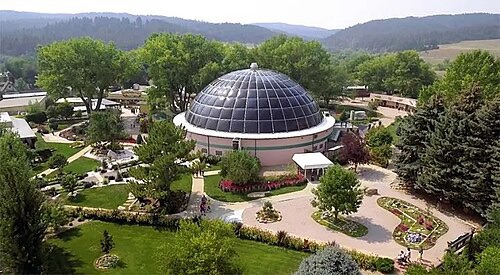
And while this place holds a Guinness World Record for housing the largest collection of reptile species and subspecies on the planet it’s so much more than that.
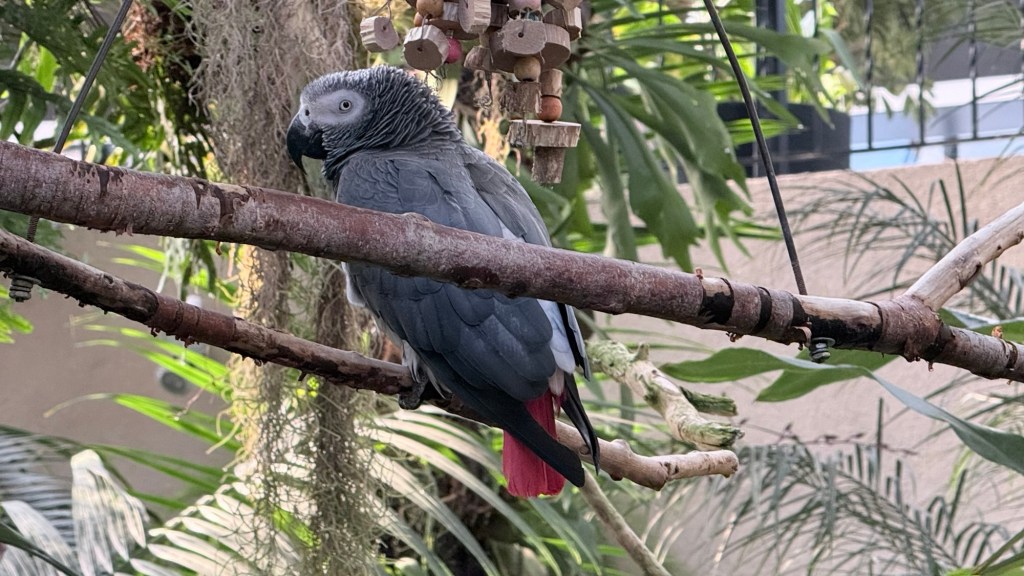
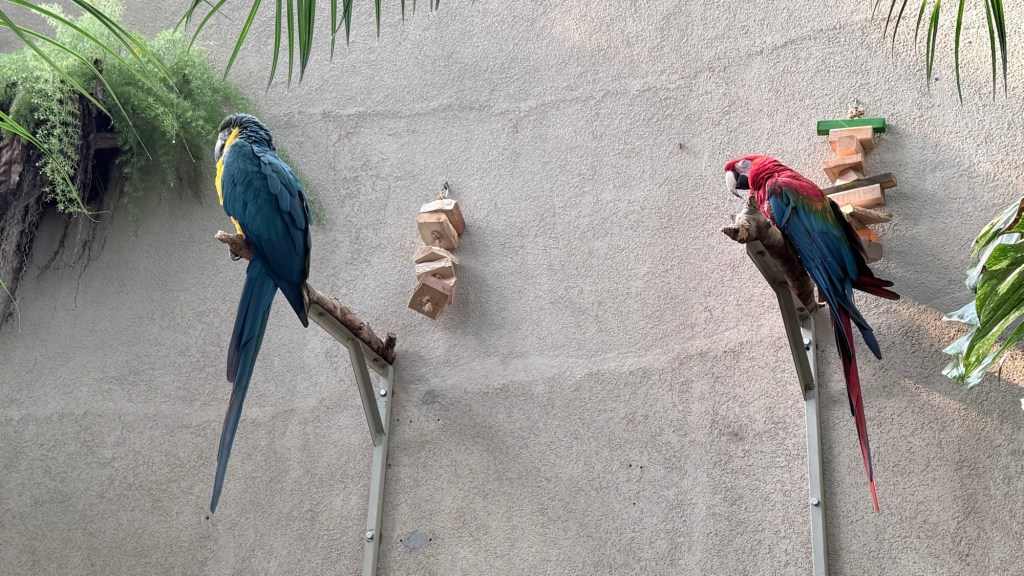
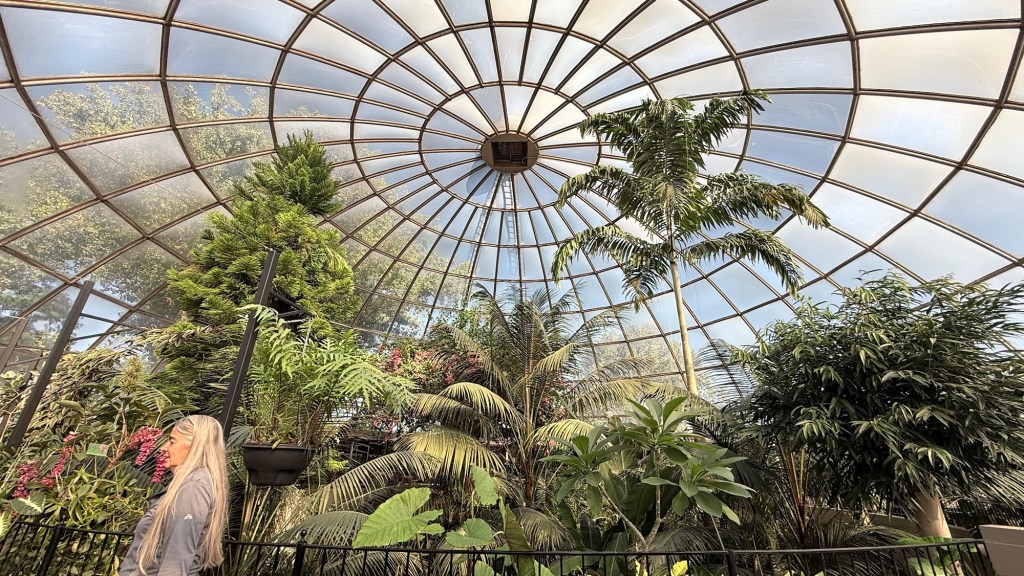
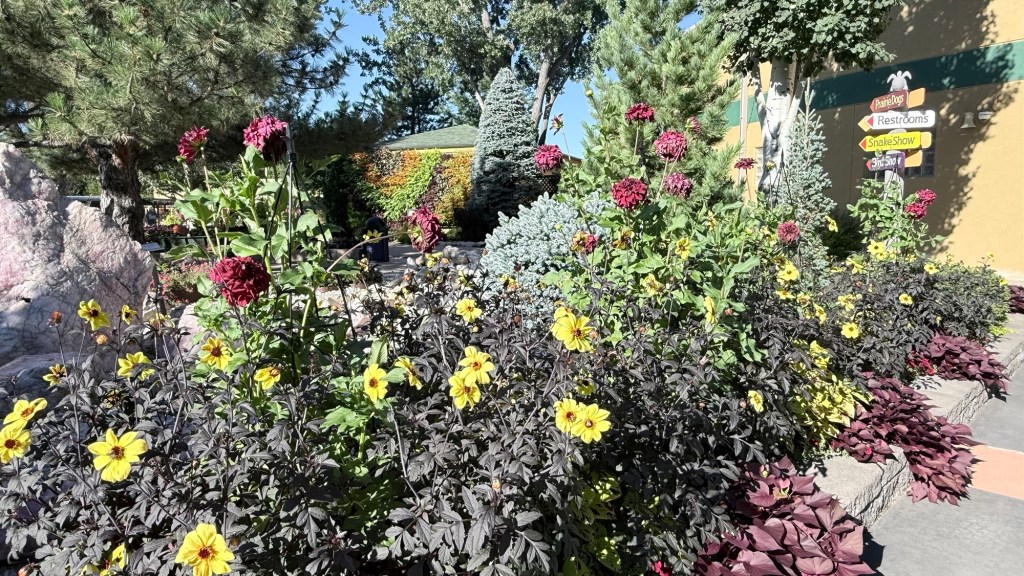
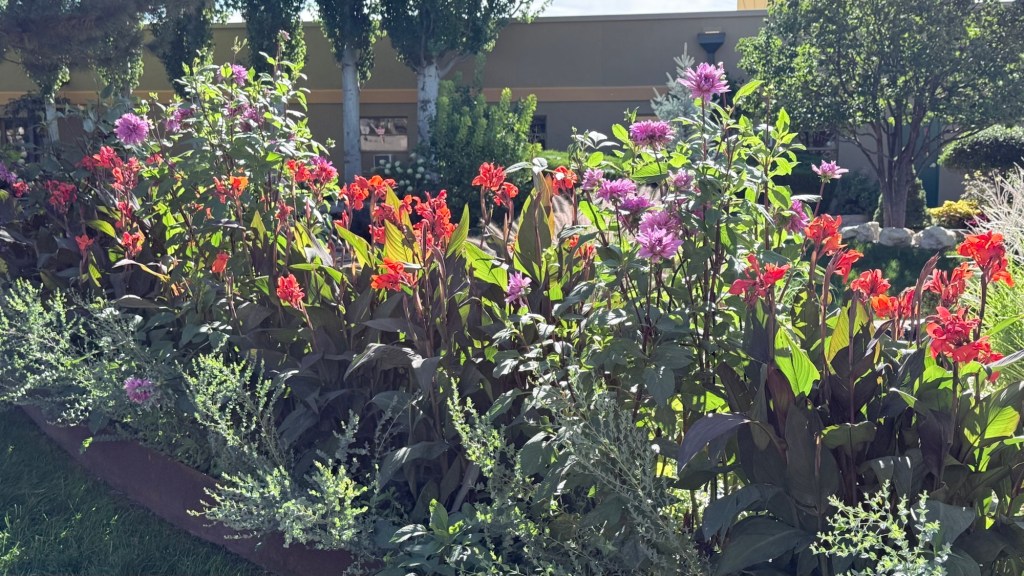
It’s also an indoor tropical jungle filled with exotic flora, flowing water features, free-roaming birds and vibrant outdoor flowerbeds planted with more than forty thousand colorful blooms!
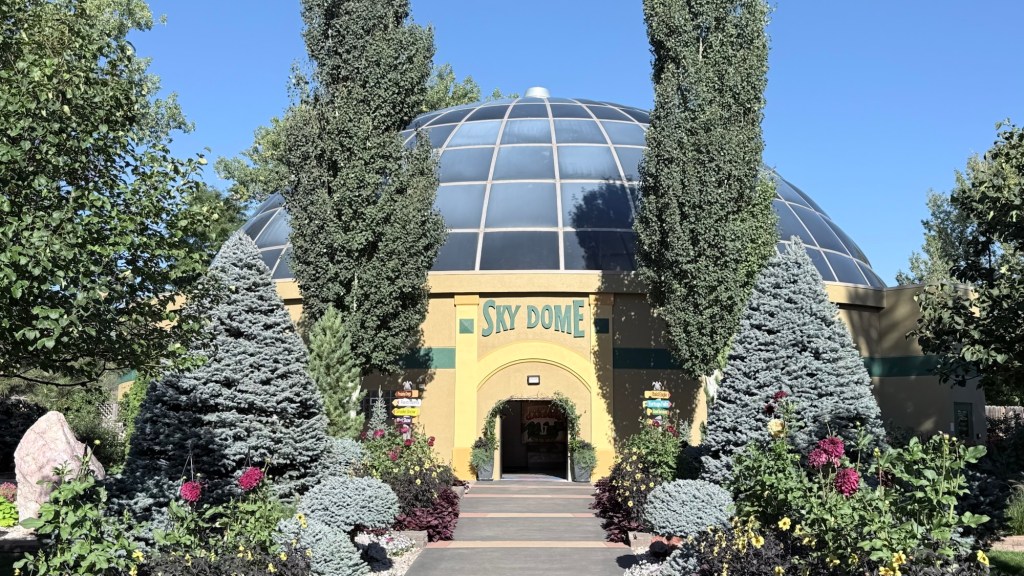
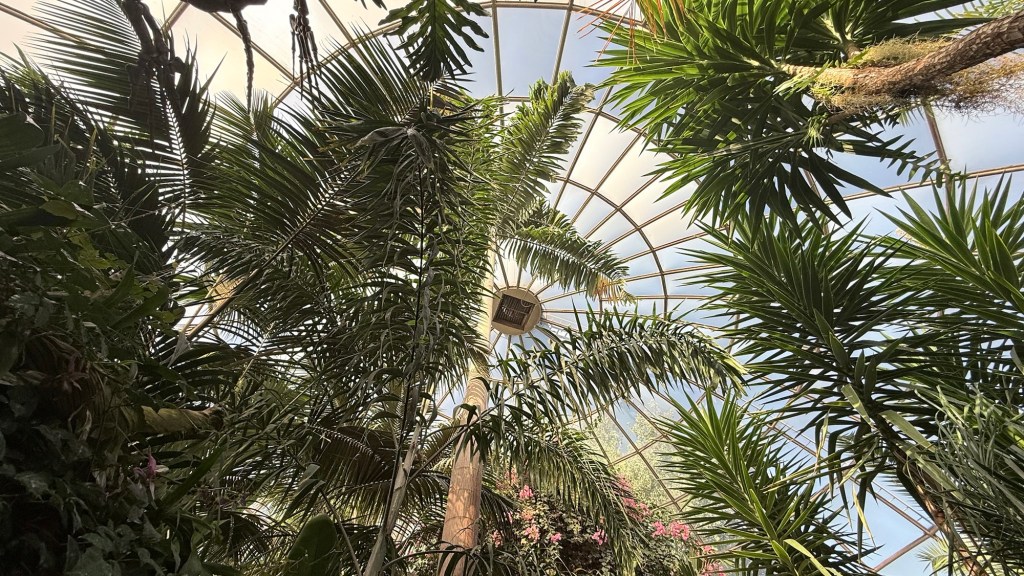
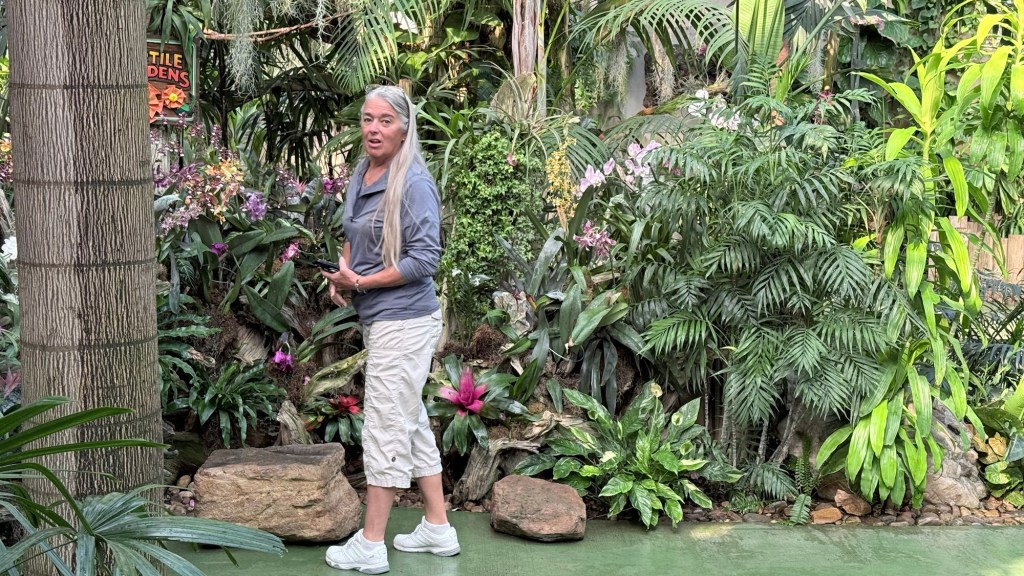
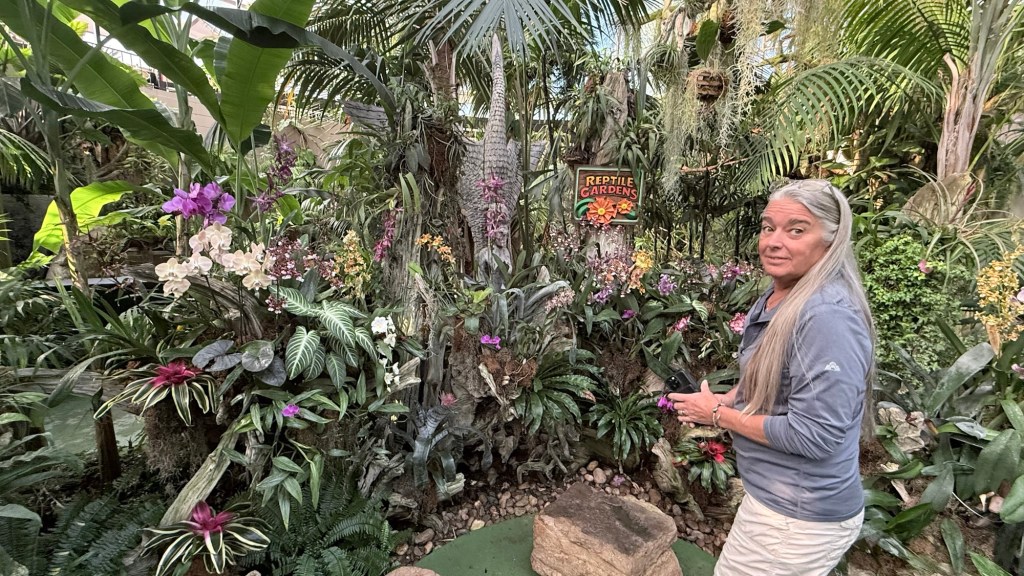
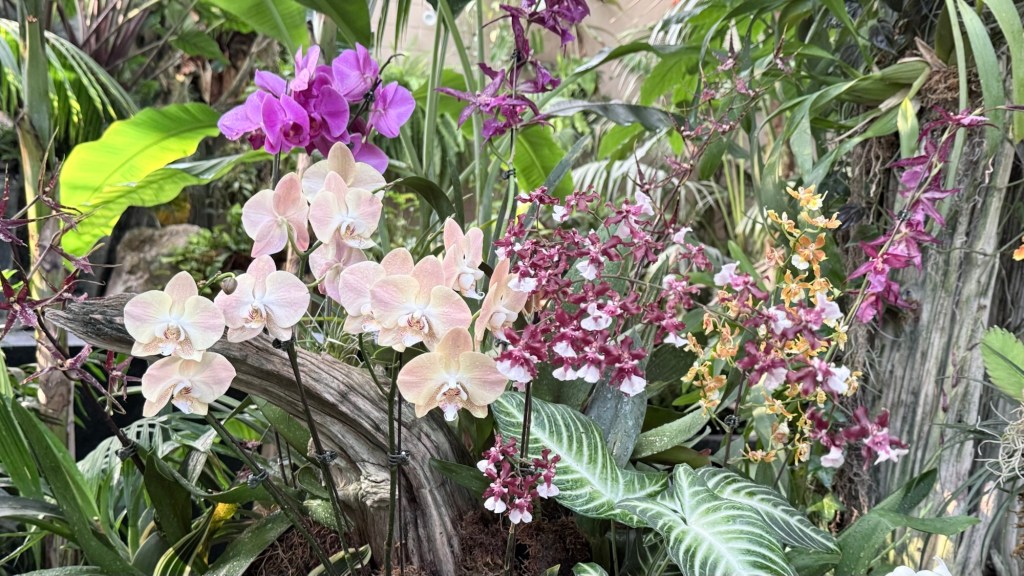
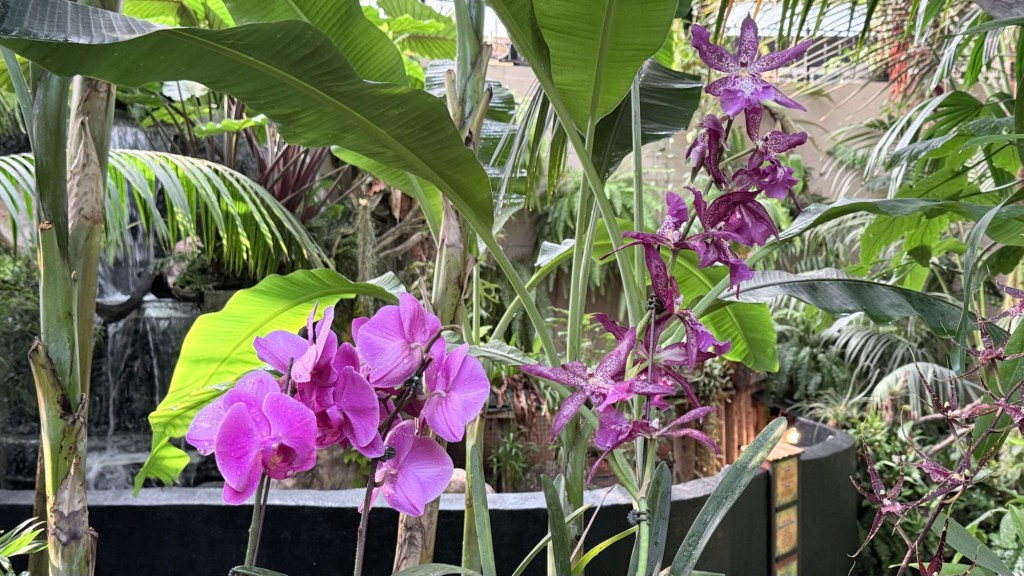
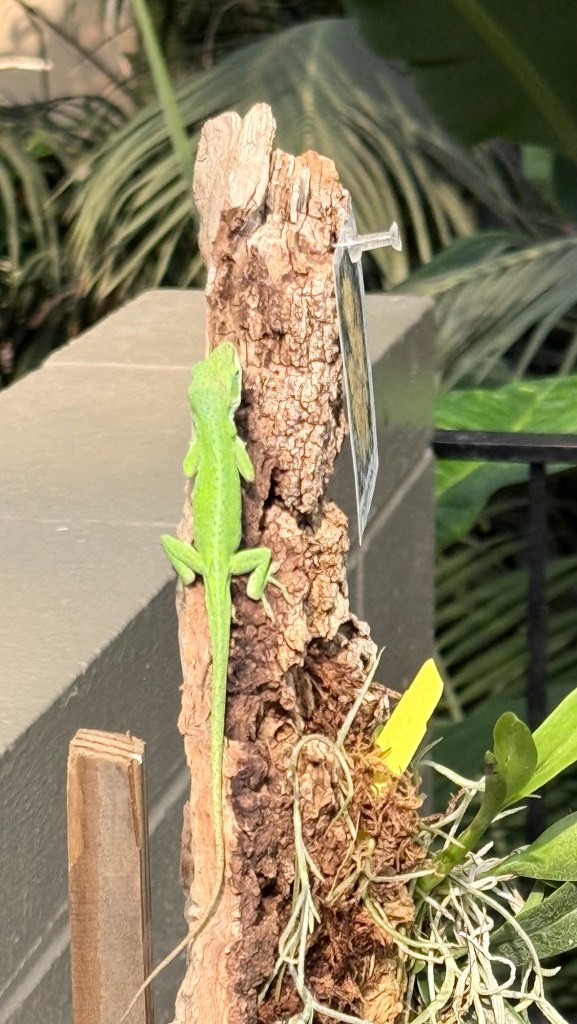
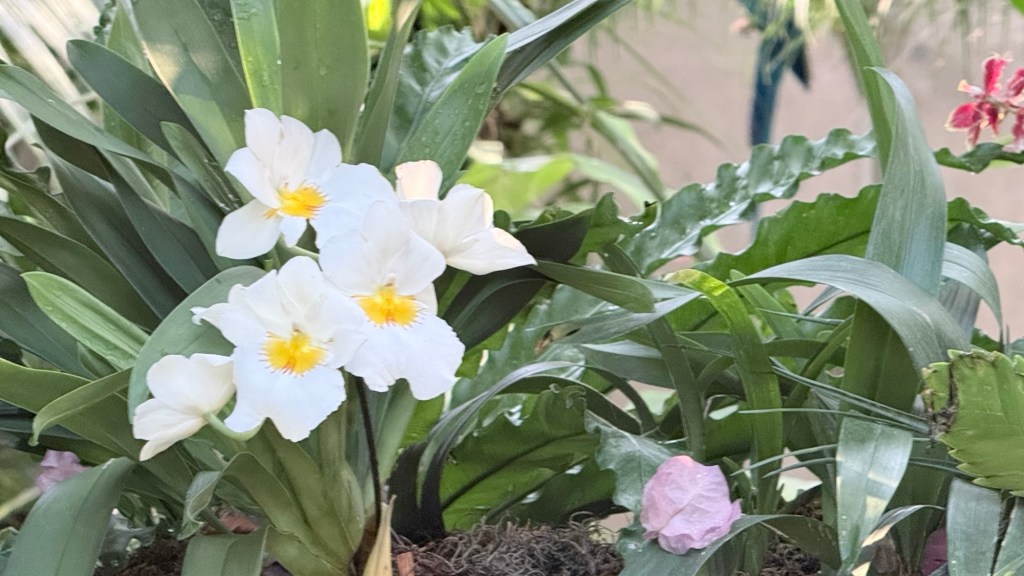
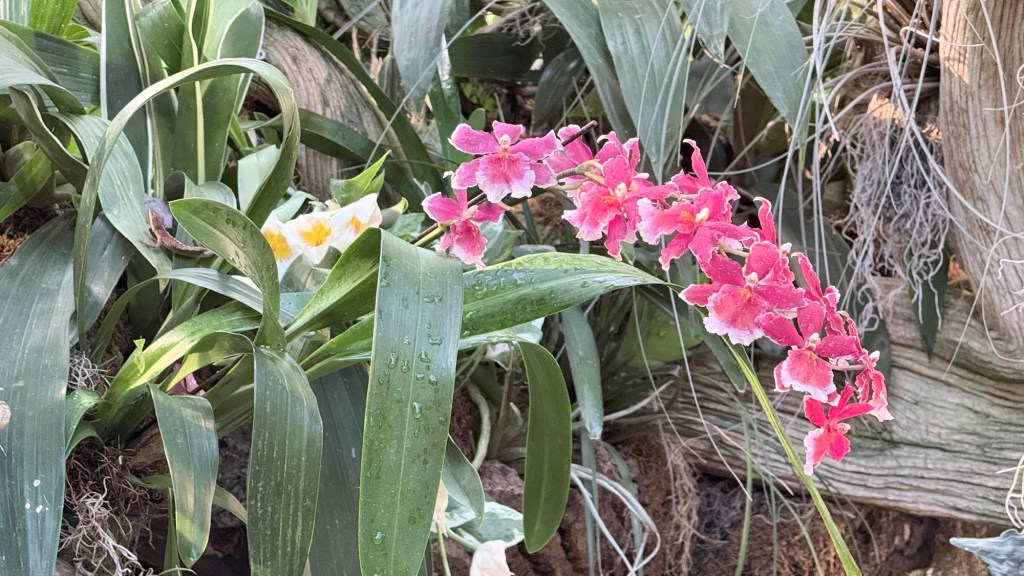
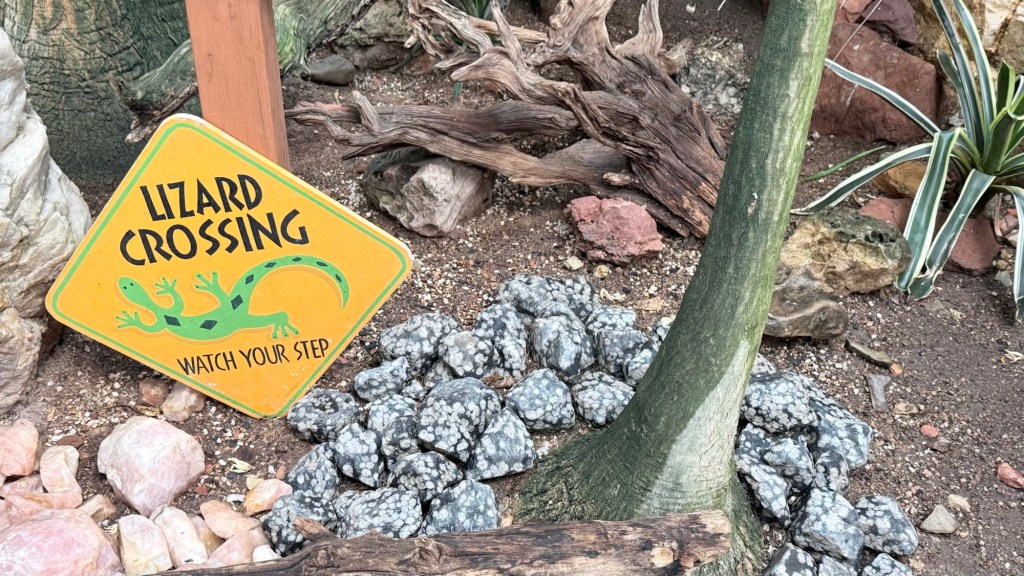
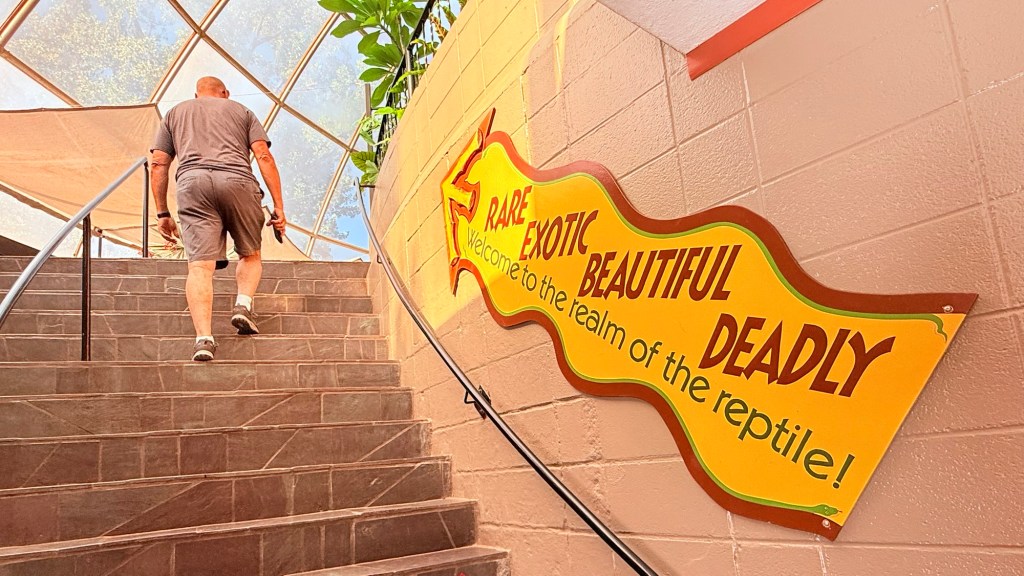
Beneath this glass dome is a tropical oasis filled with hundreds of beautiful orchids, bromeliads, caladiums, and other tropical plants. They have sculptures here from Papua New Guinea and Indonesia, along with hundreds of free-roaming lizards and frogs.


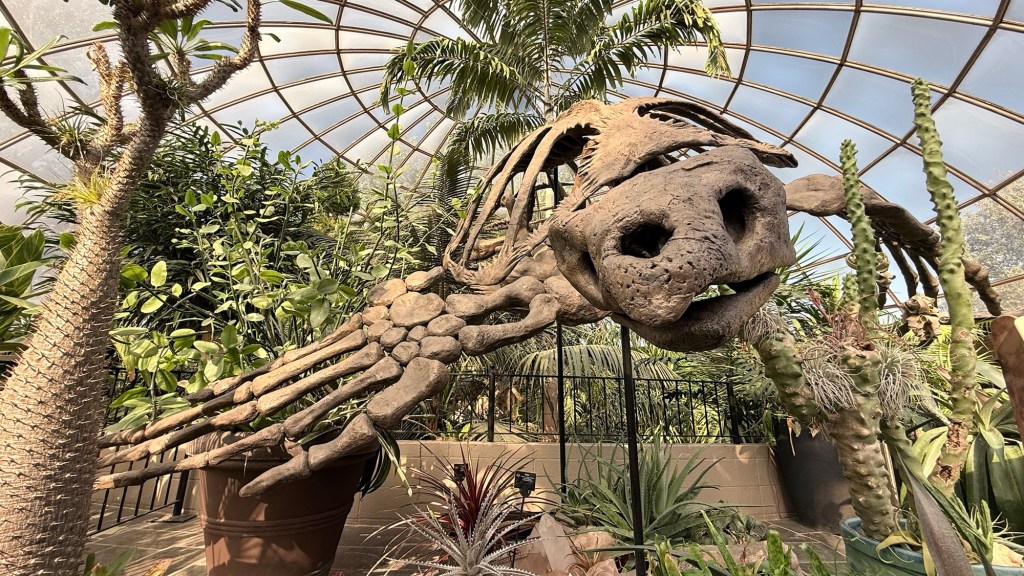
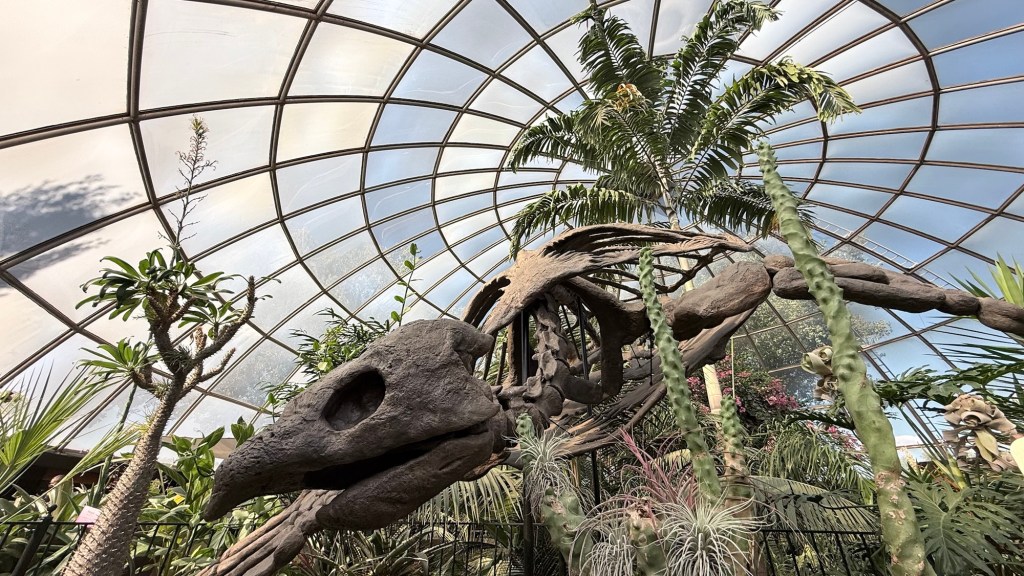
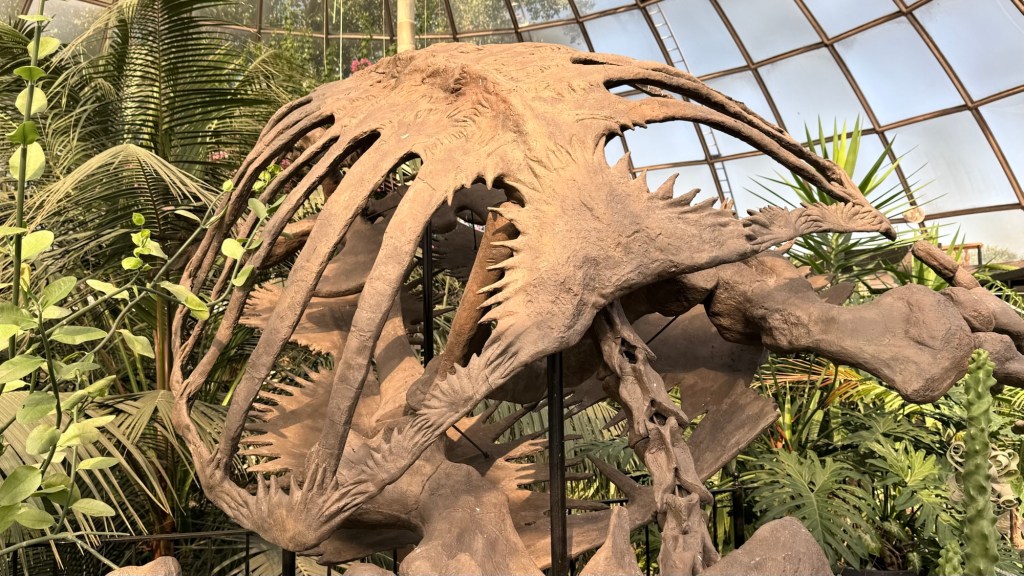
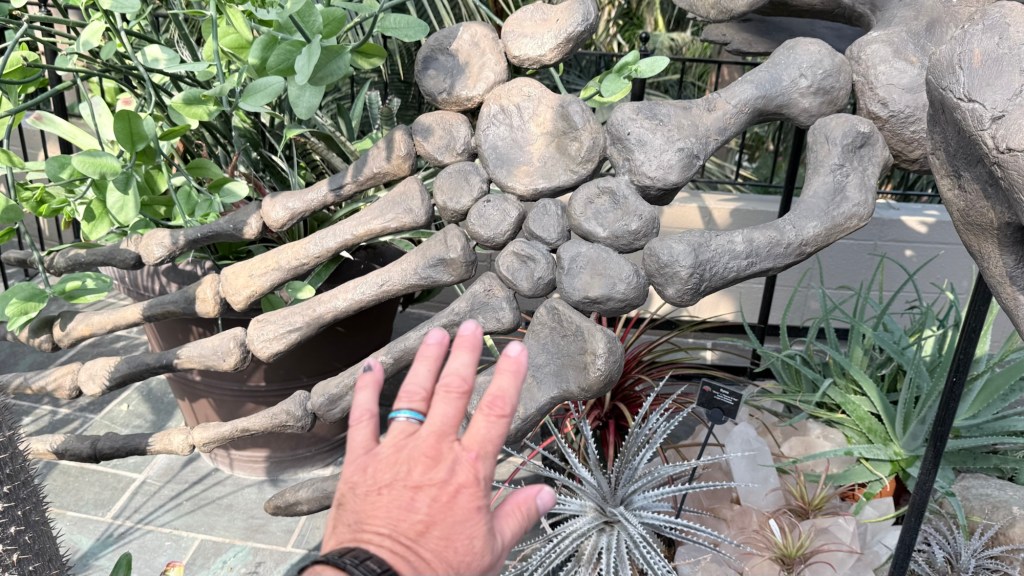
Below is the largest turtle that ever existed. It is 15 feet long and 16.5 feet across at the front from flipper to flipper. When alive, this turtle probably weighed about 4500 pounds and was approximately 100 years old at time of death. This fossil was discovered near Hermosa, South Dakota (about 40 miles from Reptile Gardens) in the 1970’S. This skeleton was found virtually intact, which is very unusual for a sea turtle skeleton. It may have been so well preserved due to death while hibernating on the sea floor.
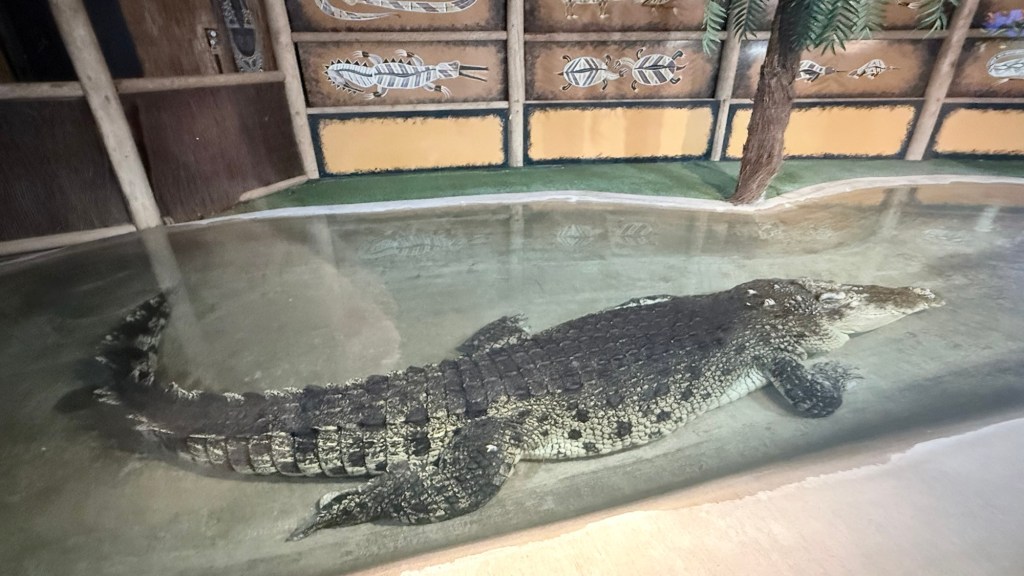
Down below on the lower level of the dome is where you’ll find Maniac, one of the largest saltwater crocodiles in the Western Hemisphere, measuring over sixteen feet long and weighing over thirteen hundred pounds.
The saltwater crocodile is the largest living reptile on Earth and has one of the strongest recorded bite forces in the animal kingdom. A saltwater crocodile can measure up to twenty feet and they often exceed seventy years of age in the wild.
Found across Southeast Asia, India’s east coast, and northern Australia in estuaries and brackish wetlands, saltwater crocodiles possess special salt-glands that let them handle both salt and fresh water. These highly aggressive hunters rely on patient ambush tactics and explosive bursts of speed to grab their prey, followed by an underwater “death roll” to subdue it.
It’s hard to tell from this picture but Maniac measures sixteen feet, two inches.
Maniac isn’t the only crocodile in residence. There’s an outside paddock with a mix of crocodiles and alligators. Can you tell the difference?
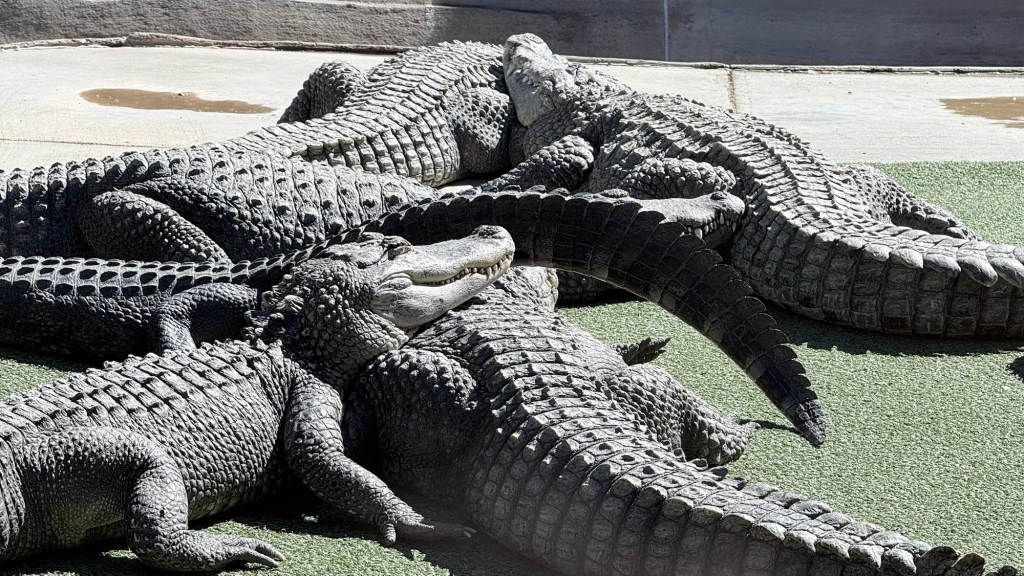
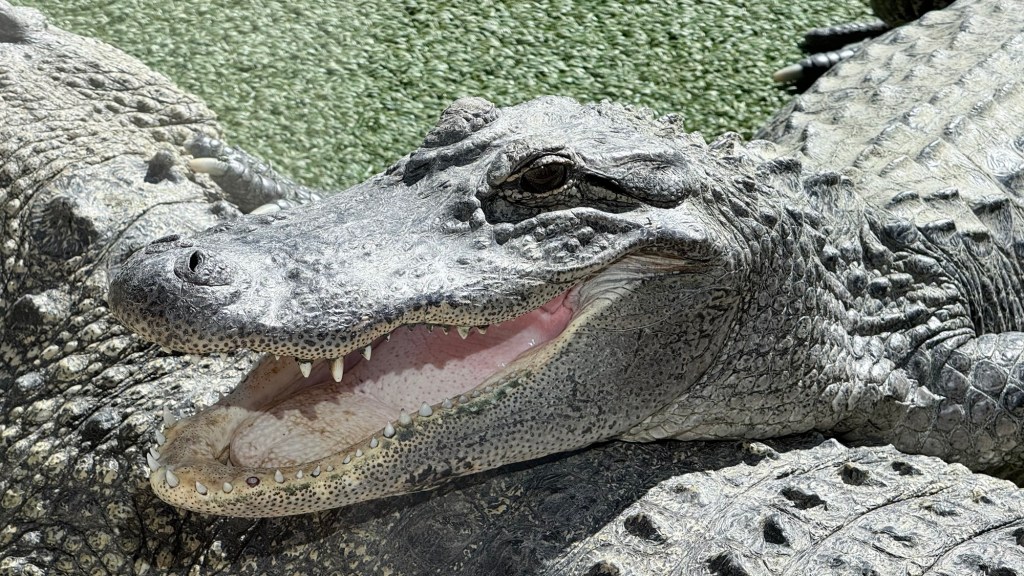
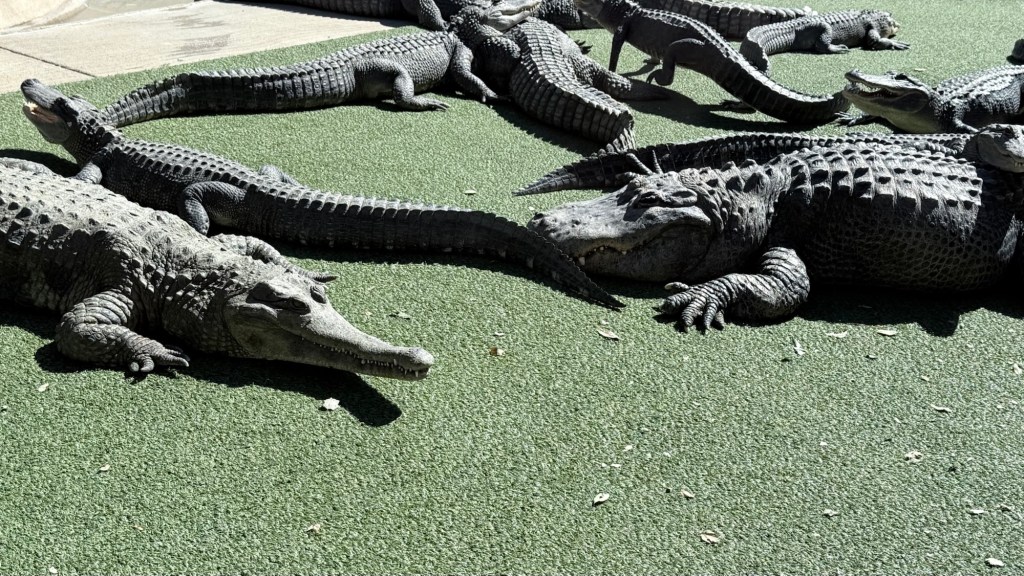
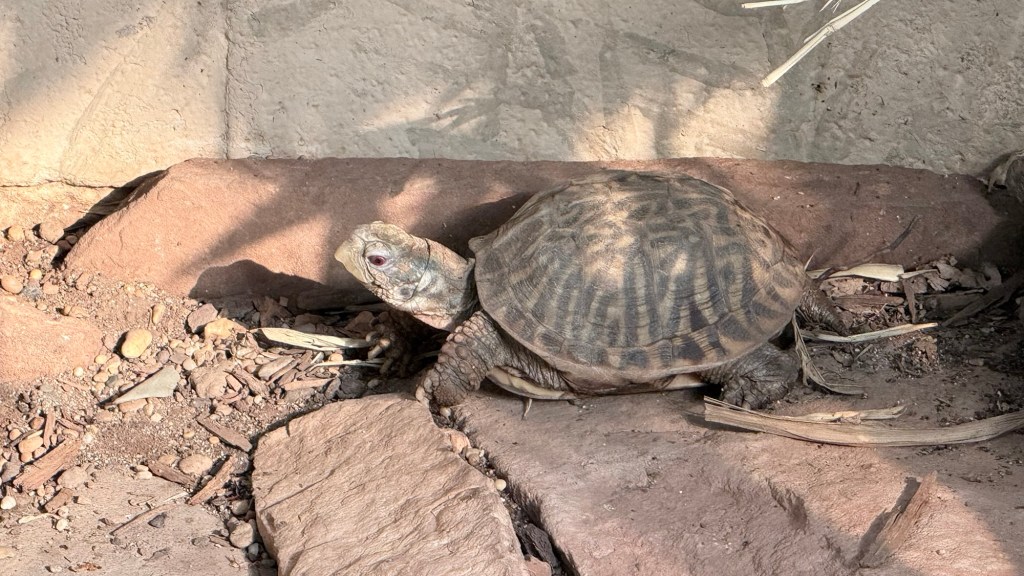
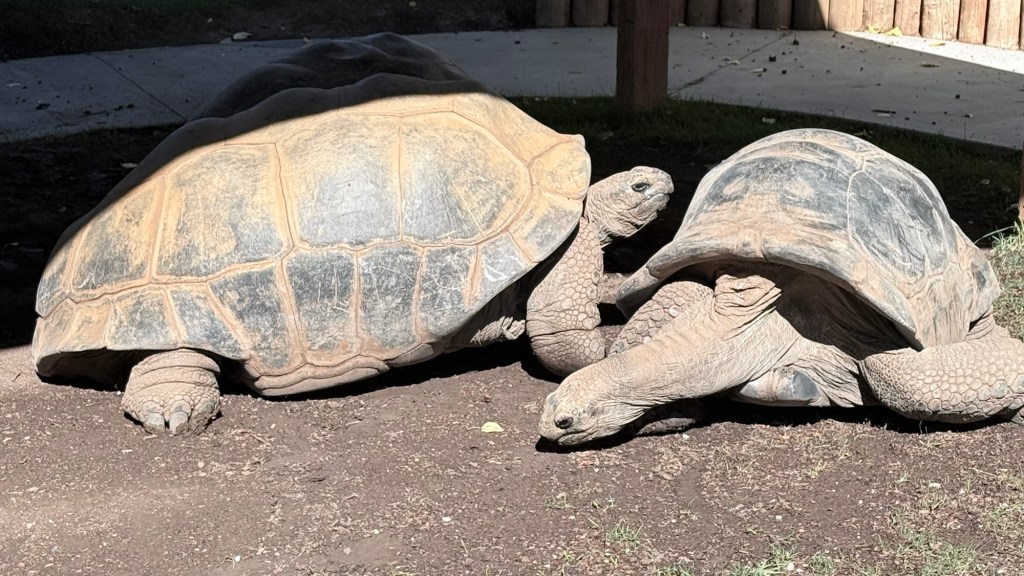
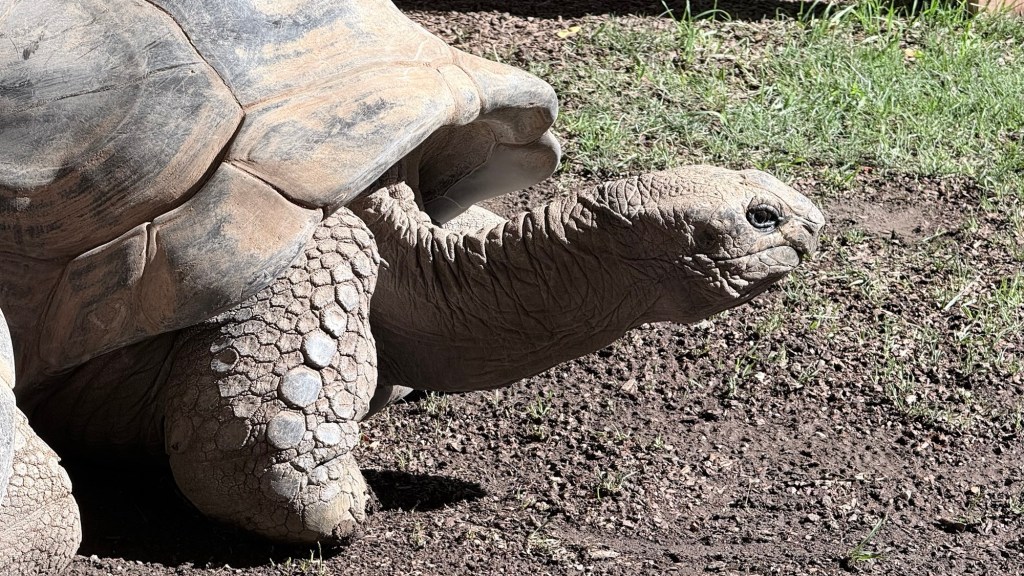
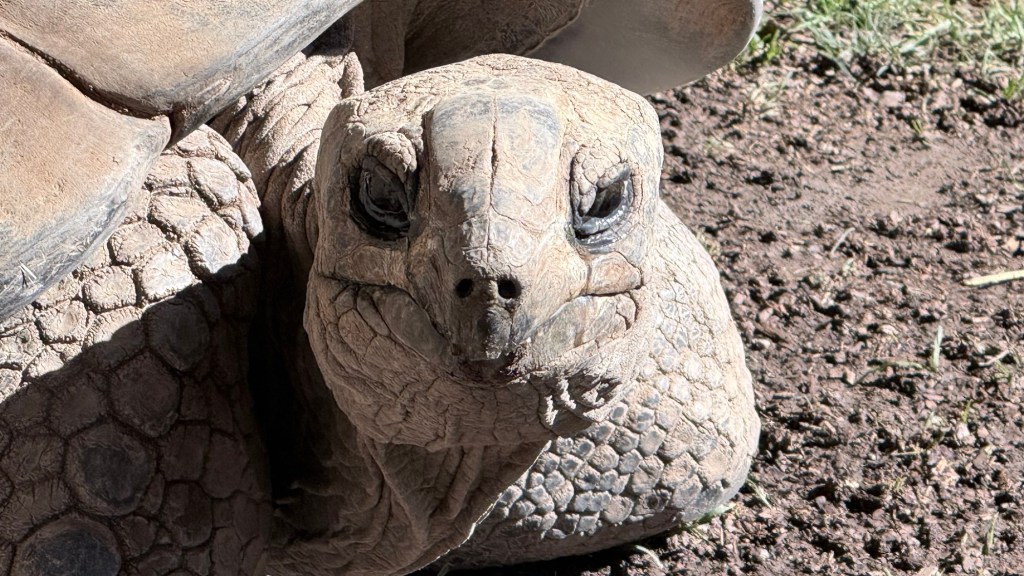
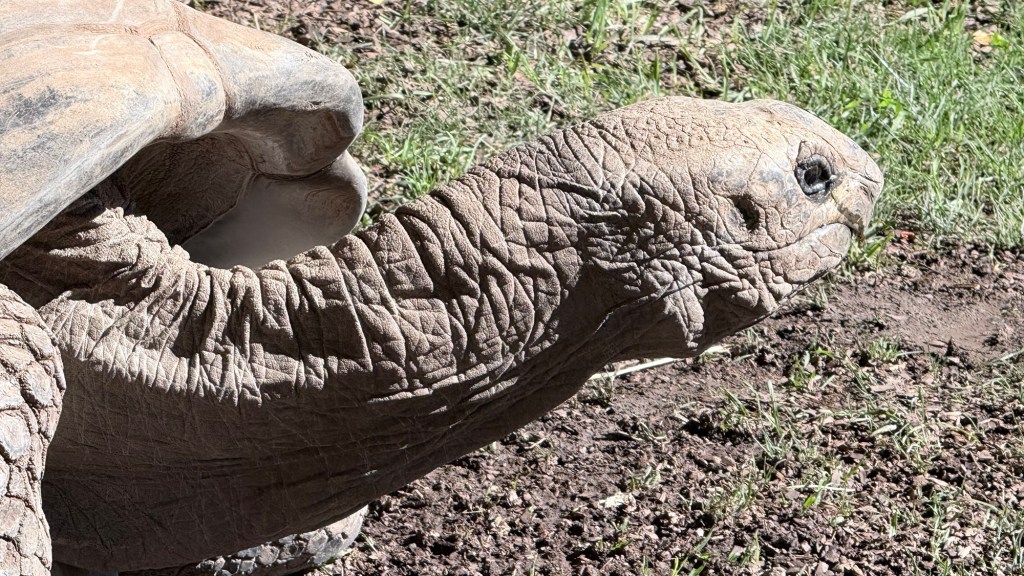
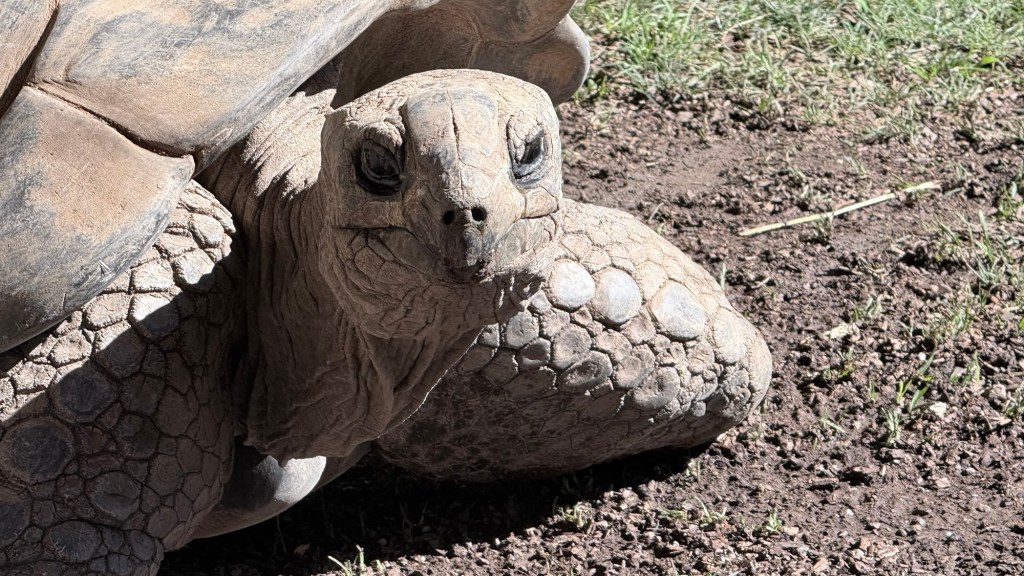
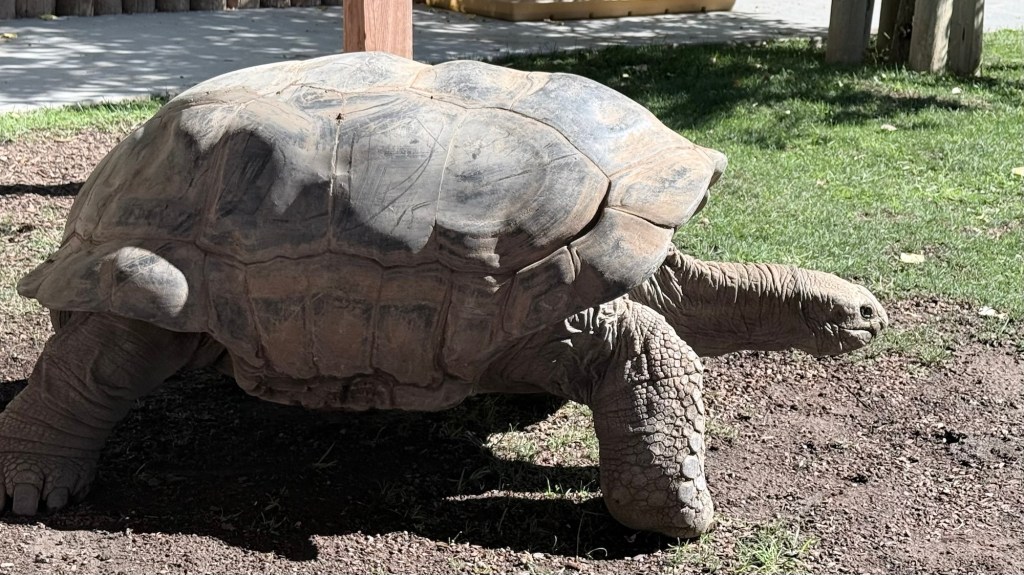
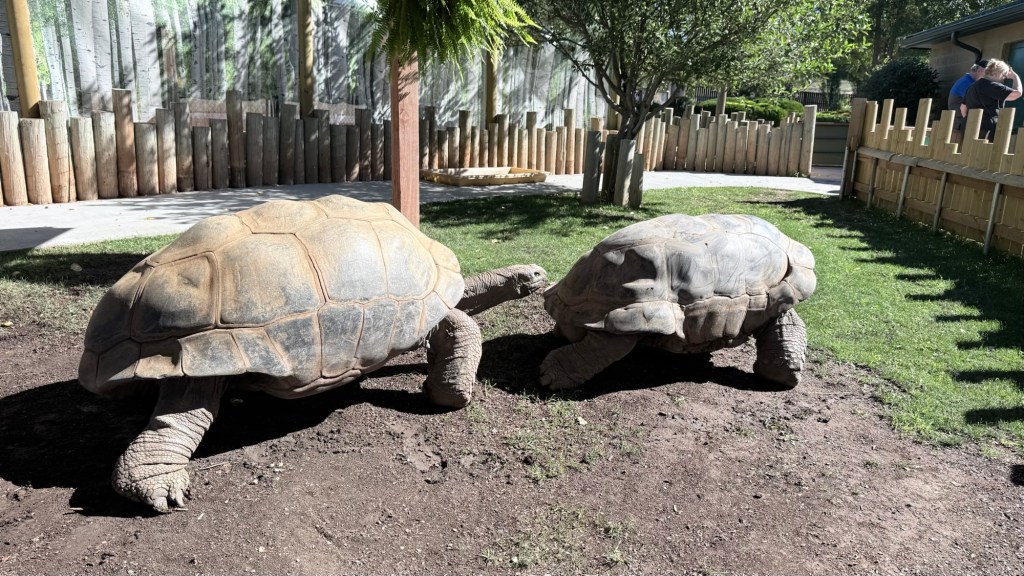
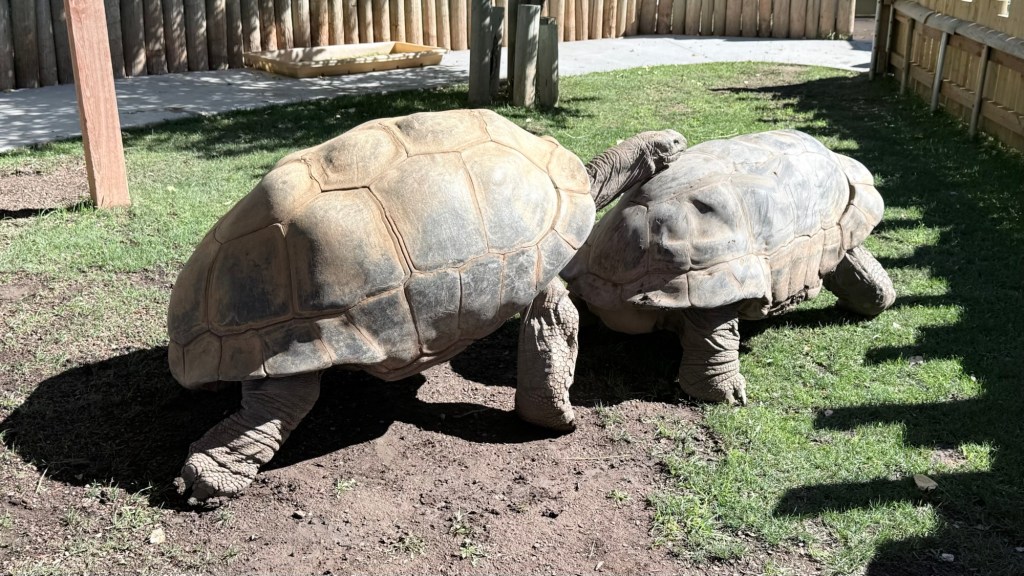
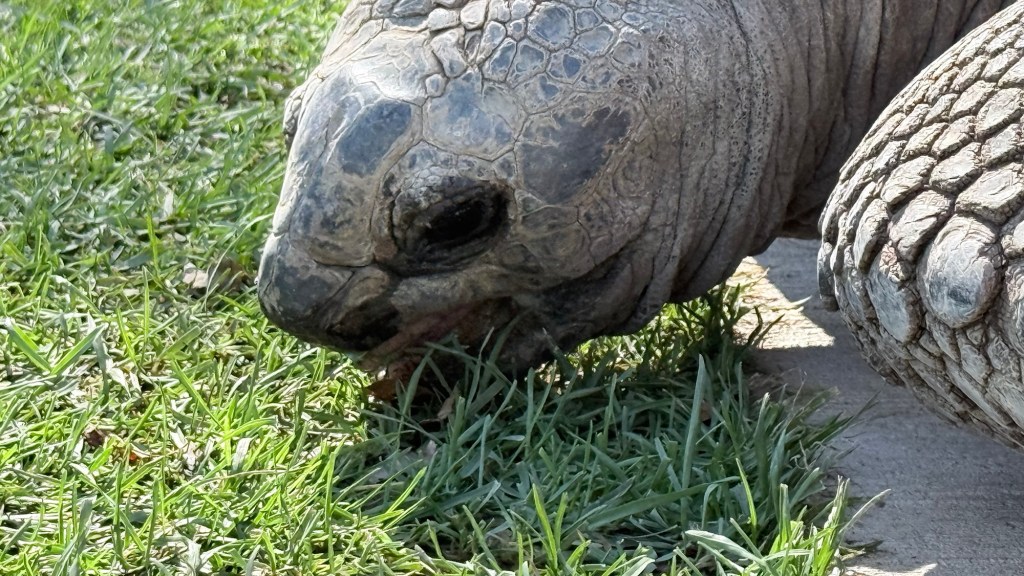
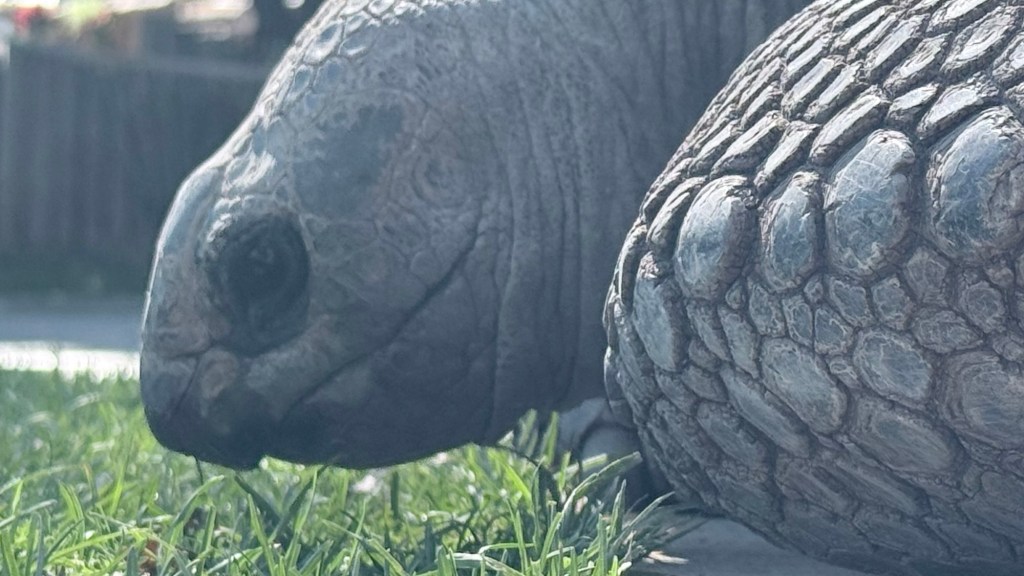
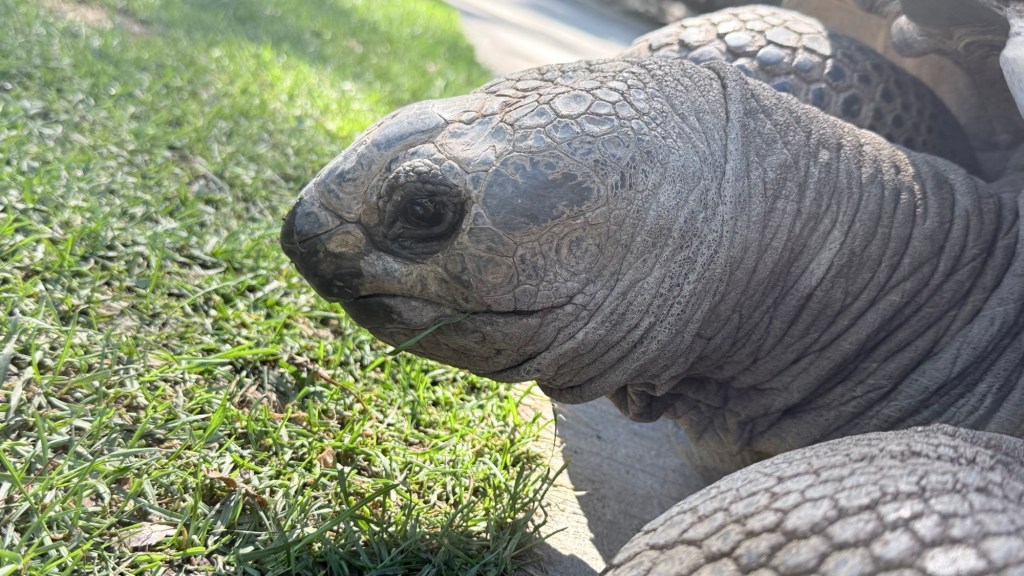
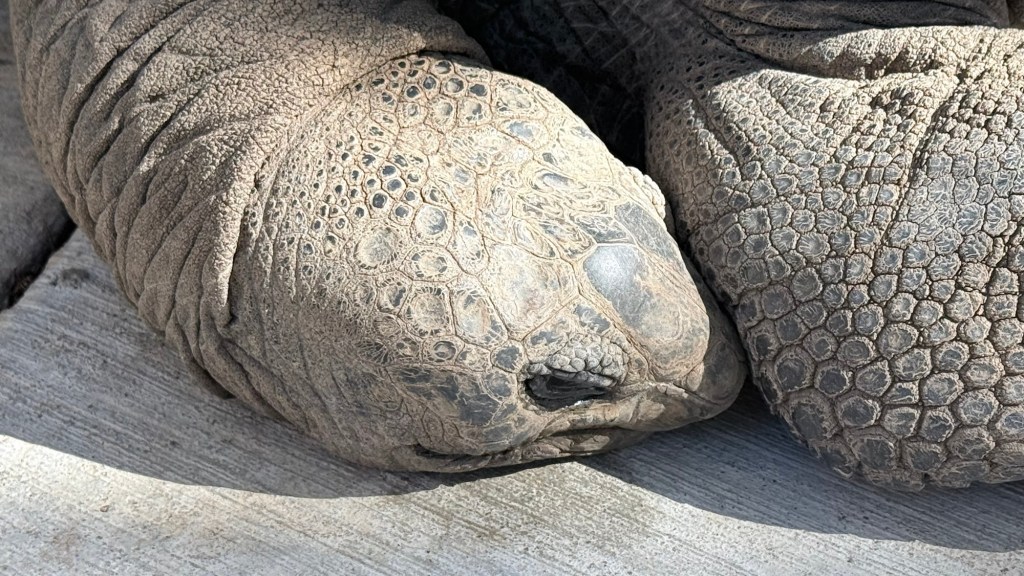
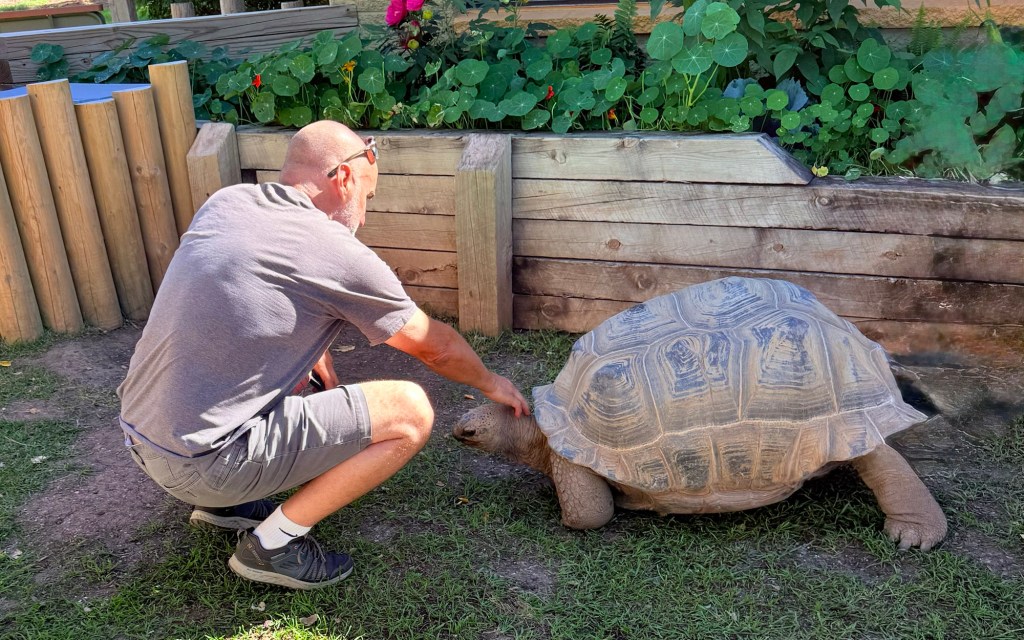
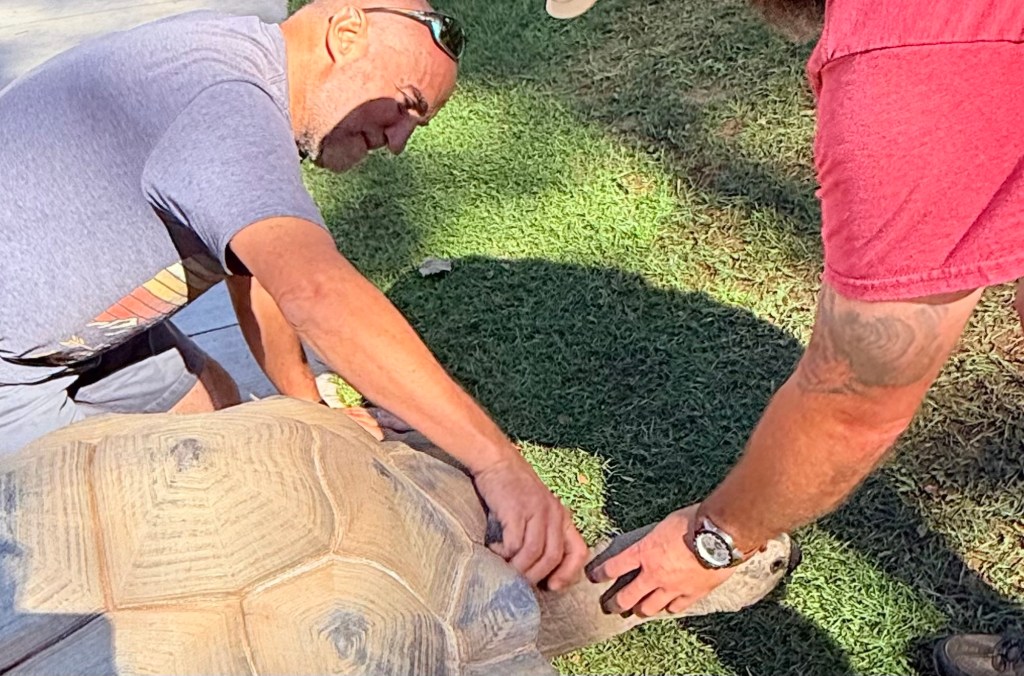
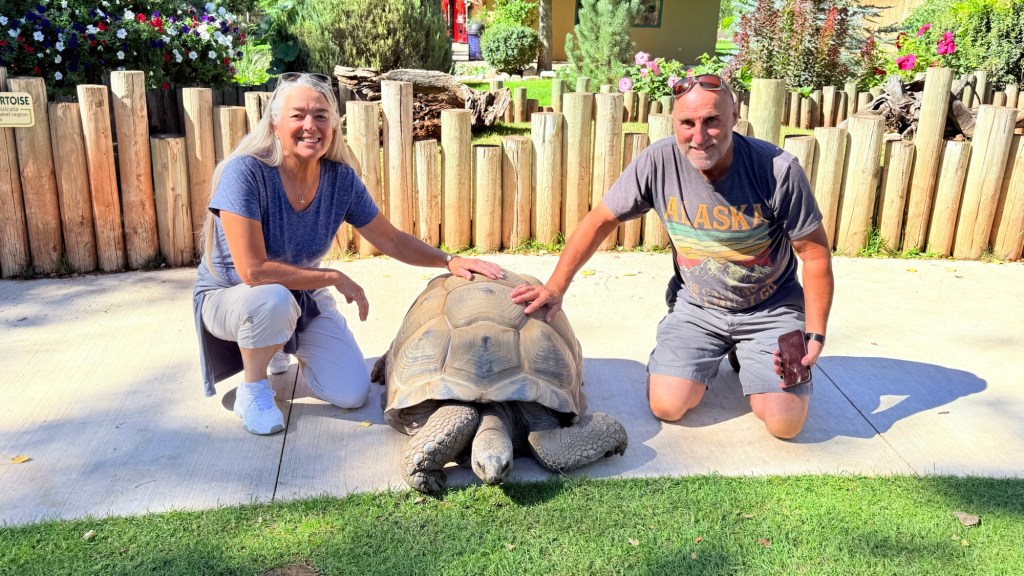
There’s also Galapagos Giant Tortoises and Aldabra Tortoises who reside here. Aldabra Tortoises are endemic to the Aldabra Atoll in the Seychelles chain of islands north of Madagascar in the Indian Ocean. They are one of the largest species of land tortoises in the world. These creatures can weigh close to six hundred pounds each. They have long necks used to reach high vegetation and short, thick scaly legs for conveying around their heavily boned, highly domed carapace, or top shell. These old gents pictured here are around sixty years old and may live for more than one hundred to one hundred and fifty years!
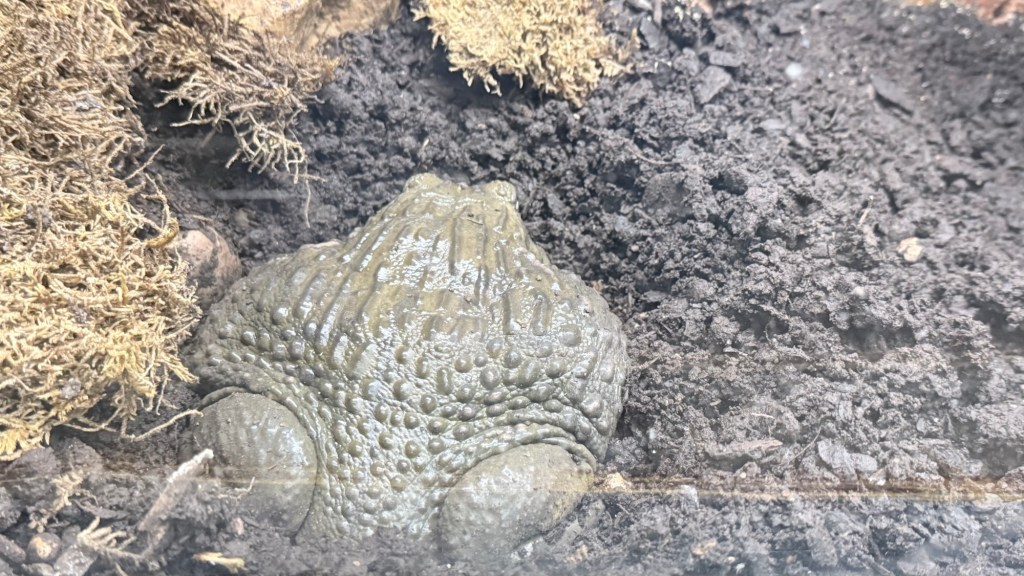
This here is an African Bullfrog. Males can reach over nine inches in length. During the very long African dry season, these frogs burrow deep in the mud as the lakes evaporate. They wait out the dry season for many months, emerging when the rains return. When they begin to hunt food this species has tooth-like projections on its lower jaw to restrain struggling prey. And what does it eat you ask? Just about any living thing it can fit in its mouth.
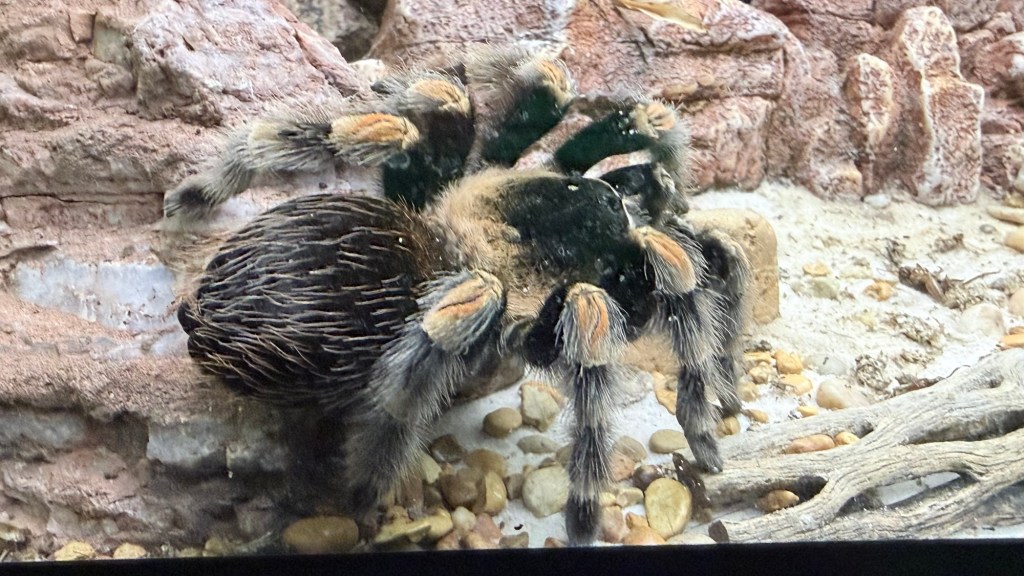
This is the Mexican Red Knee Tarantula for those of you who like your spiders to be really creepy-crawly.
This teenage Komodo Dragon was born through “parthenogenesis”, a process in which, in the absence of males, female Komodo dragons can produce male offspring asexually. The female will deposit fifteen to thirty eggs in a nest which she protects until they hatch in the spring.
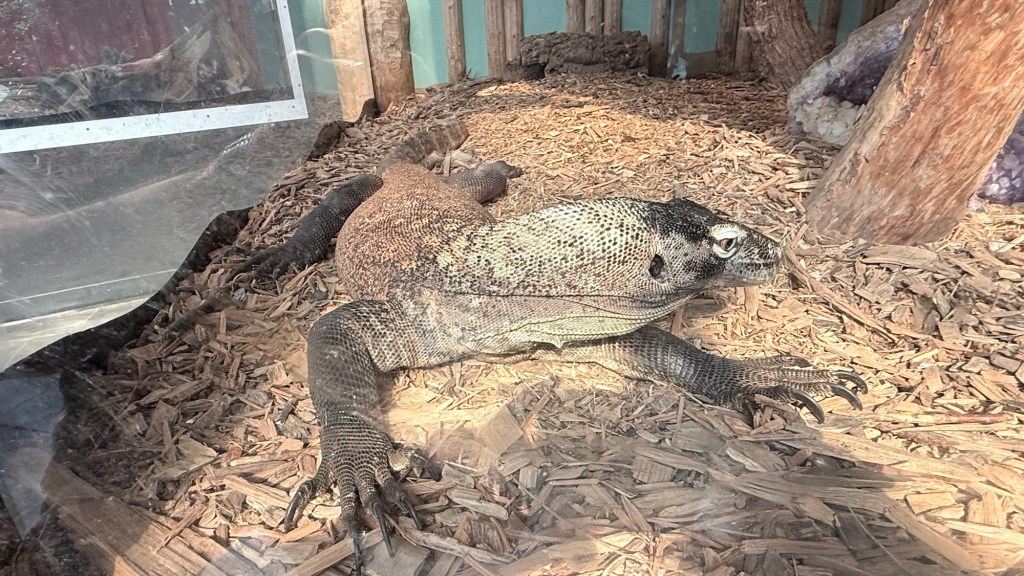
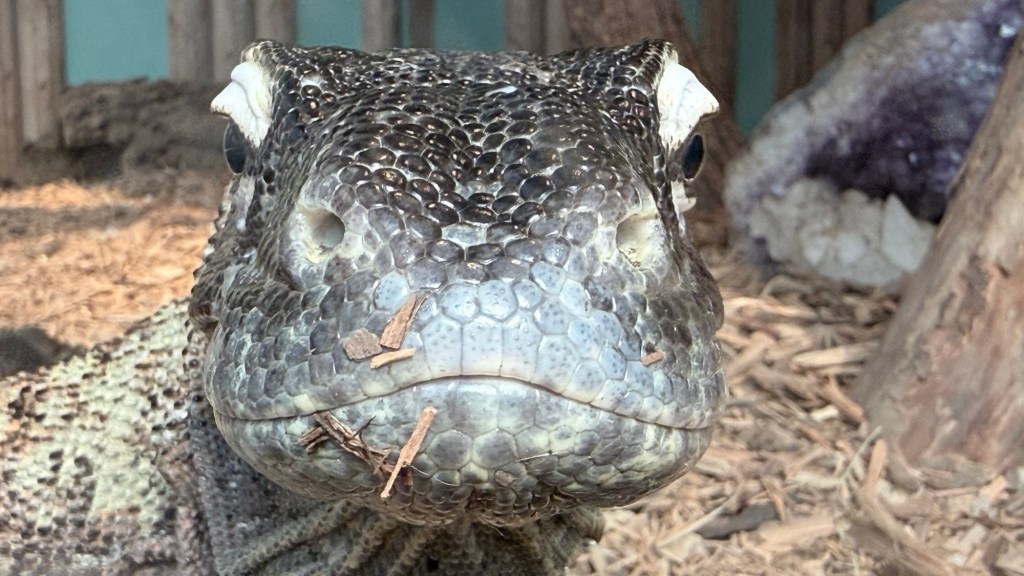
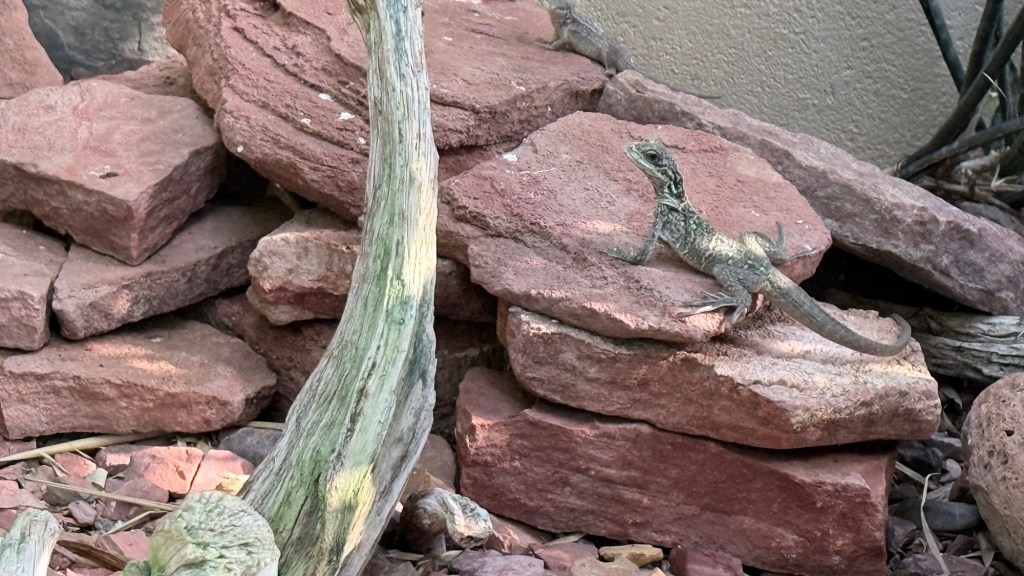
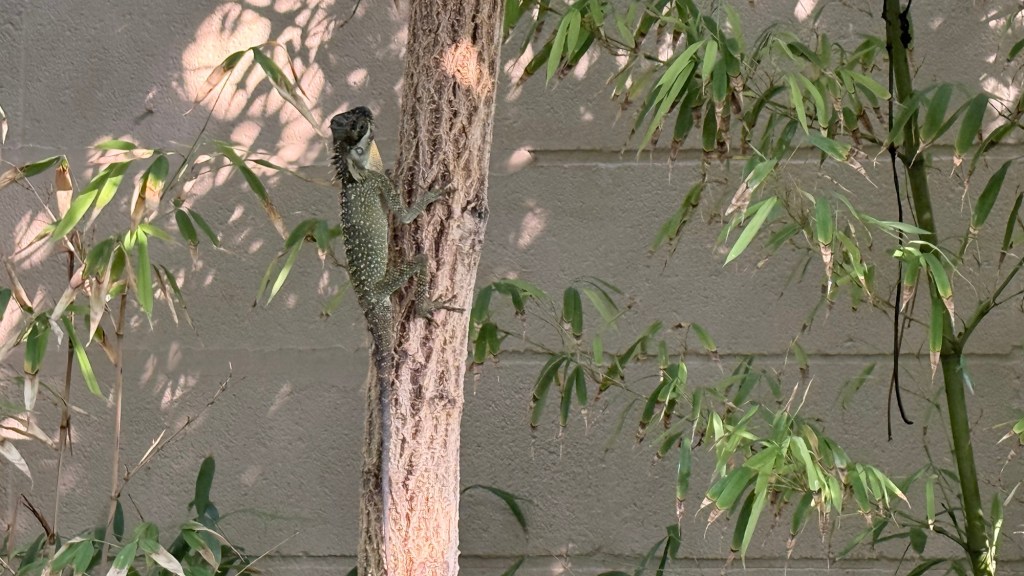
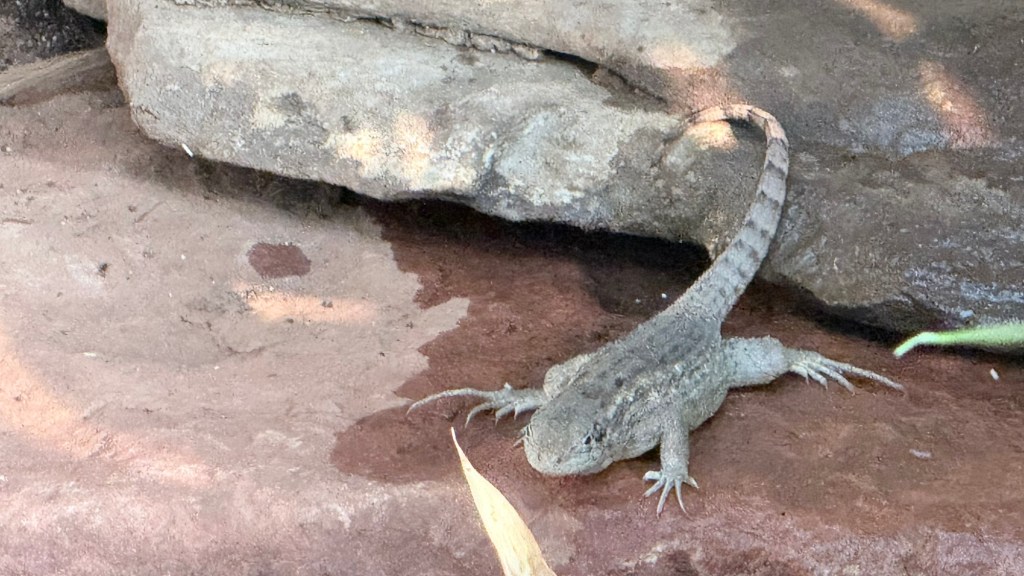
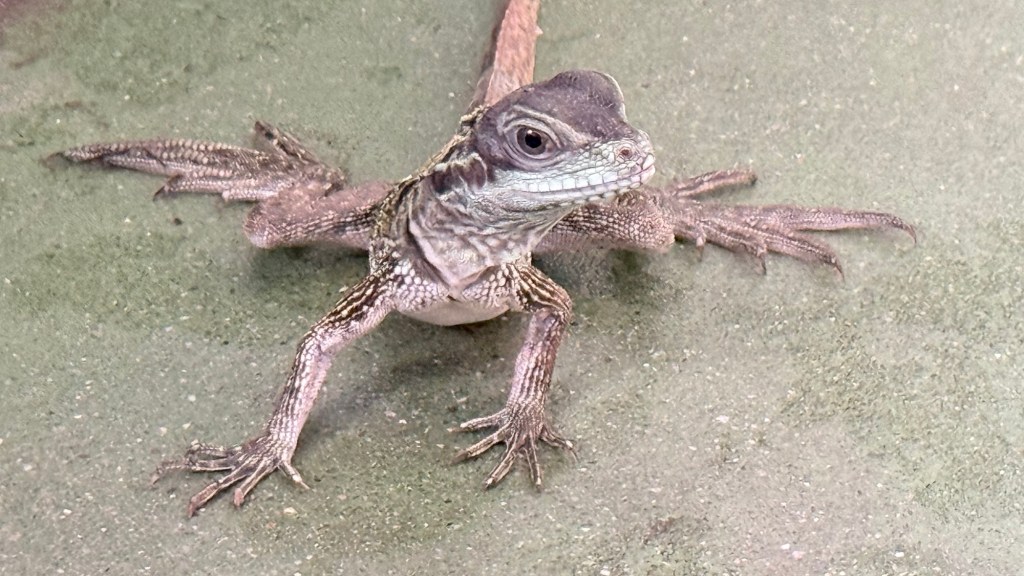
The Australian Water Dragon is non-venomous and, as you can see, is very charismatic and can frequently be found living near homes and parks.
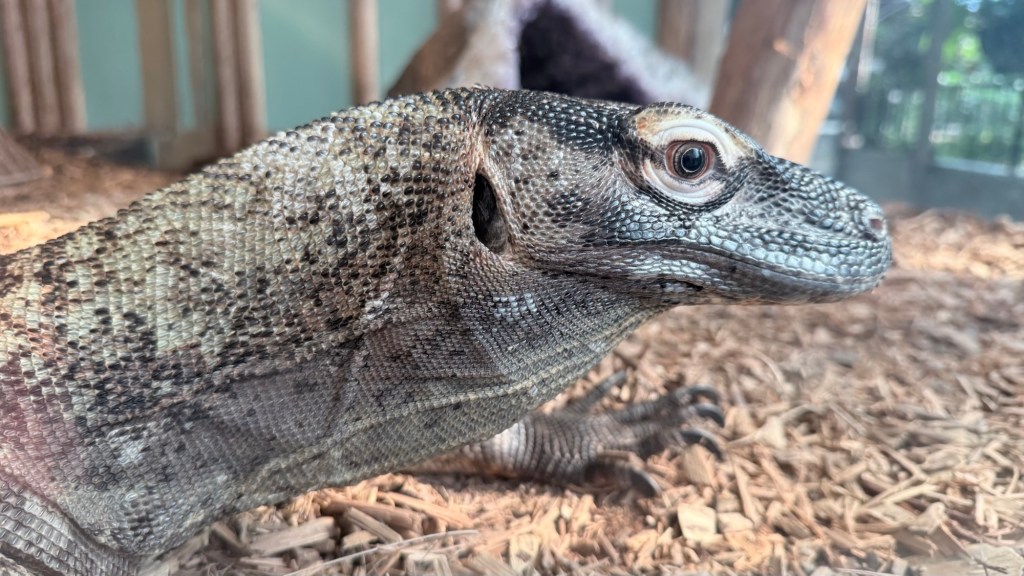
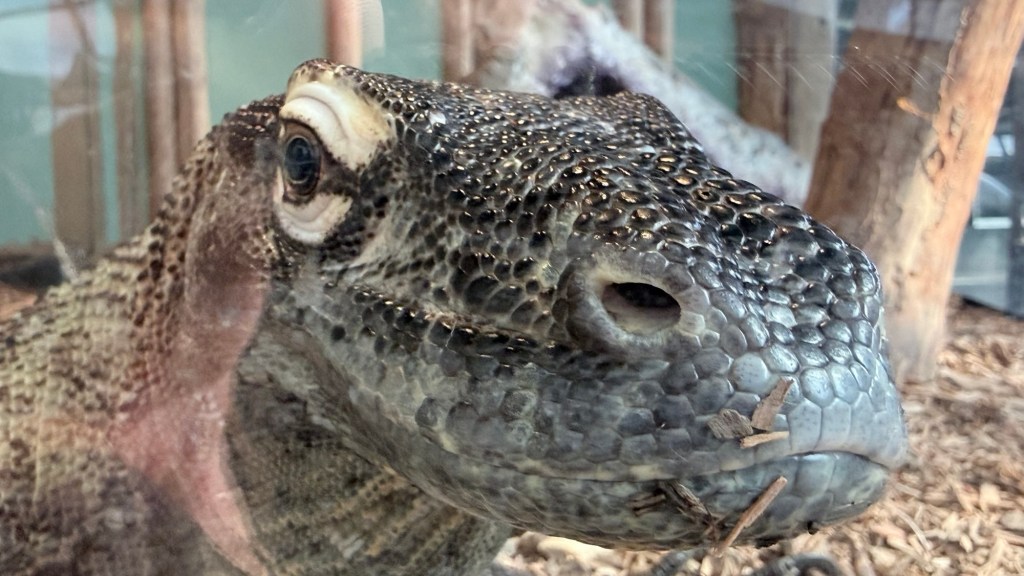
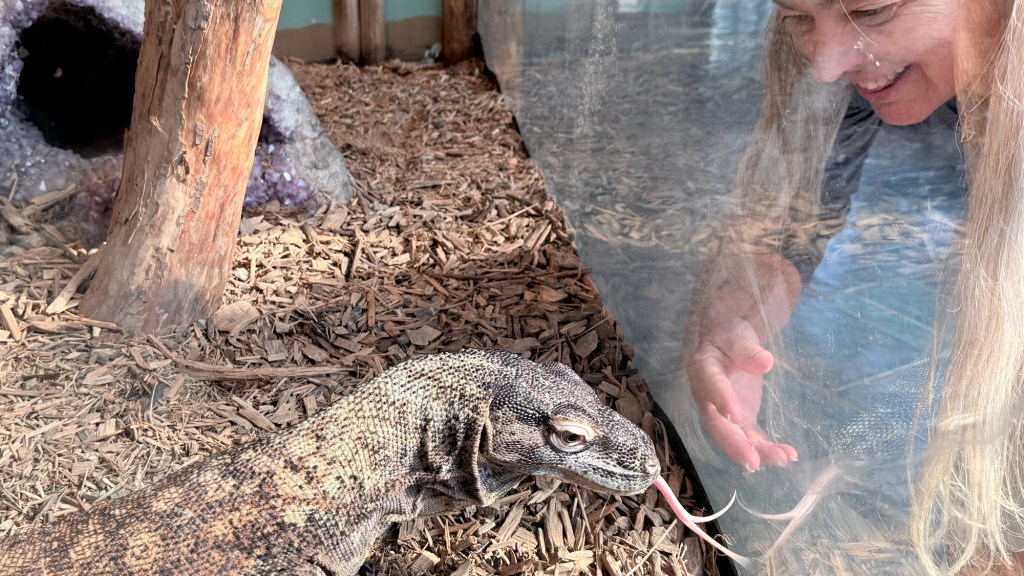
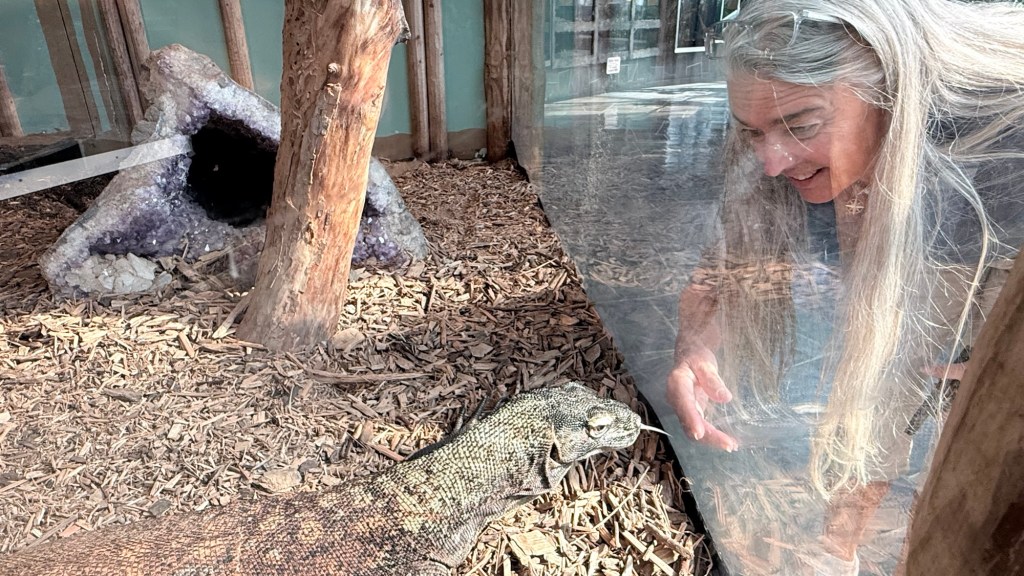
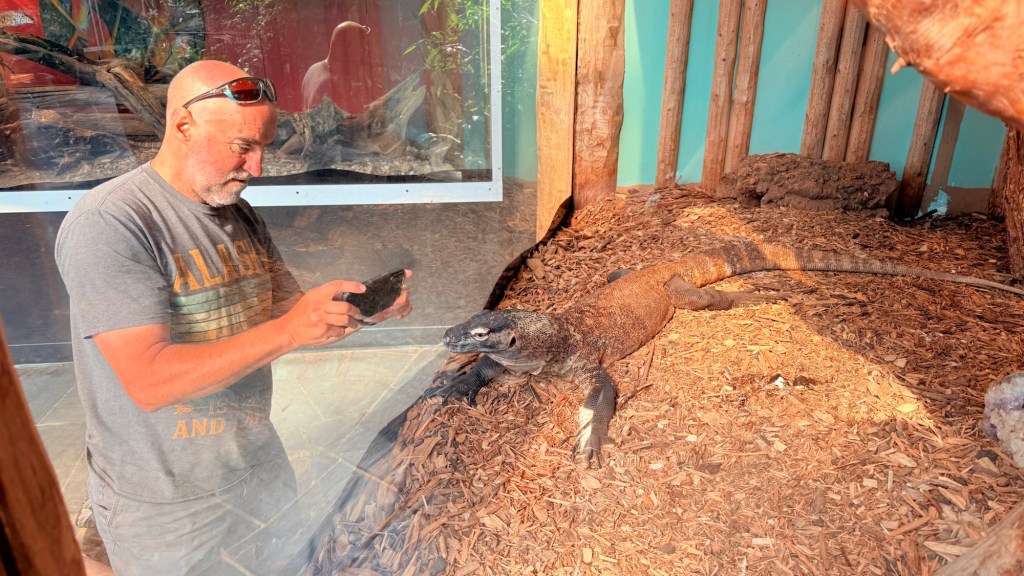
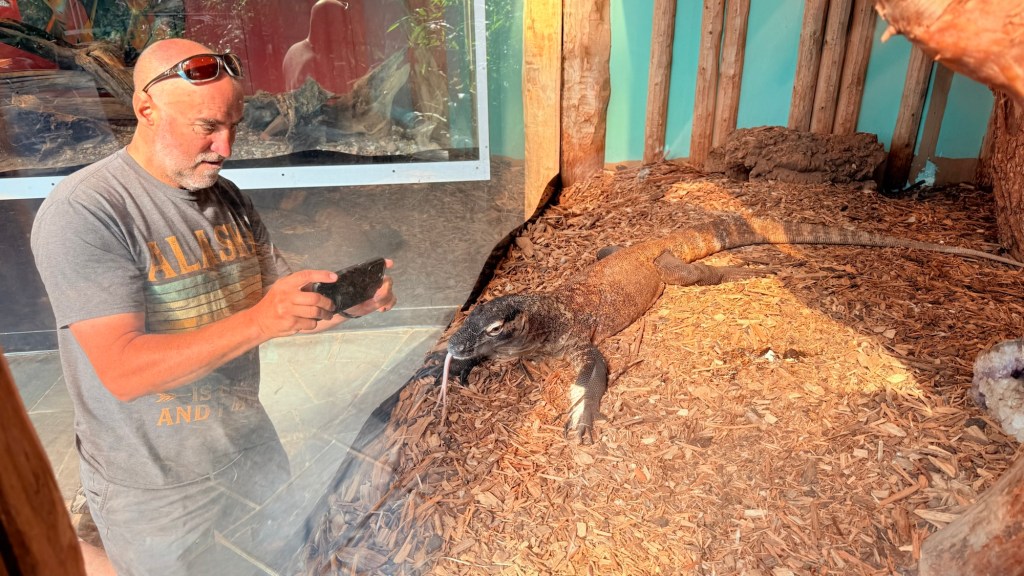
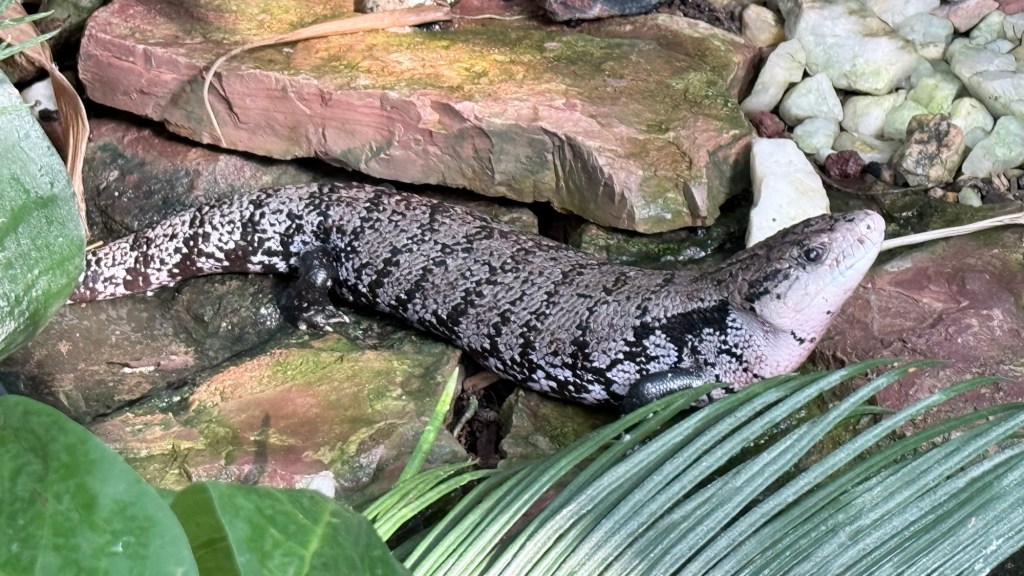
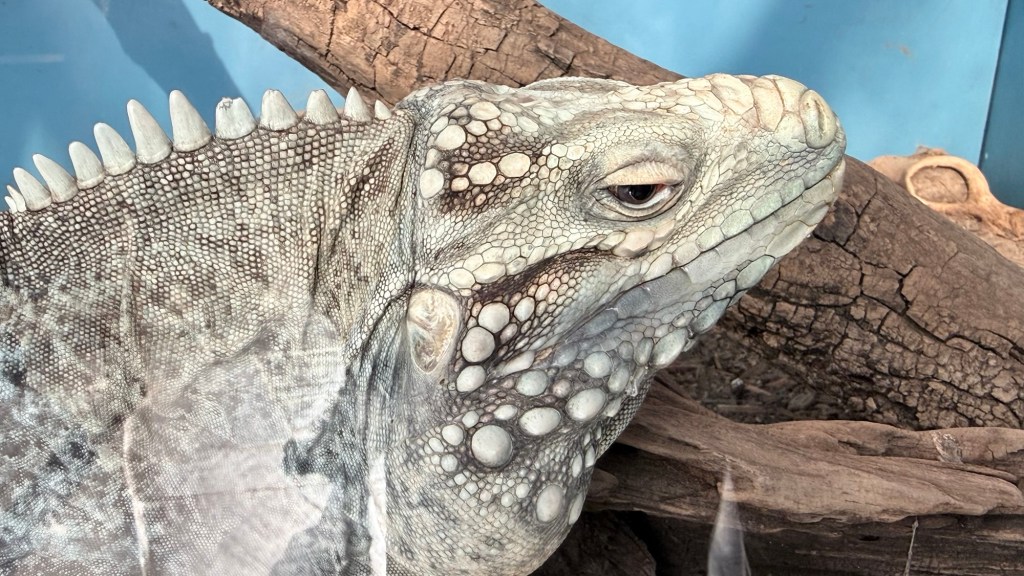
The Grand Cayman Island Blue Iguana is so gentle it has been called a “dog in lizard’s skin.”
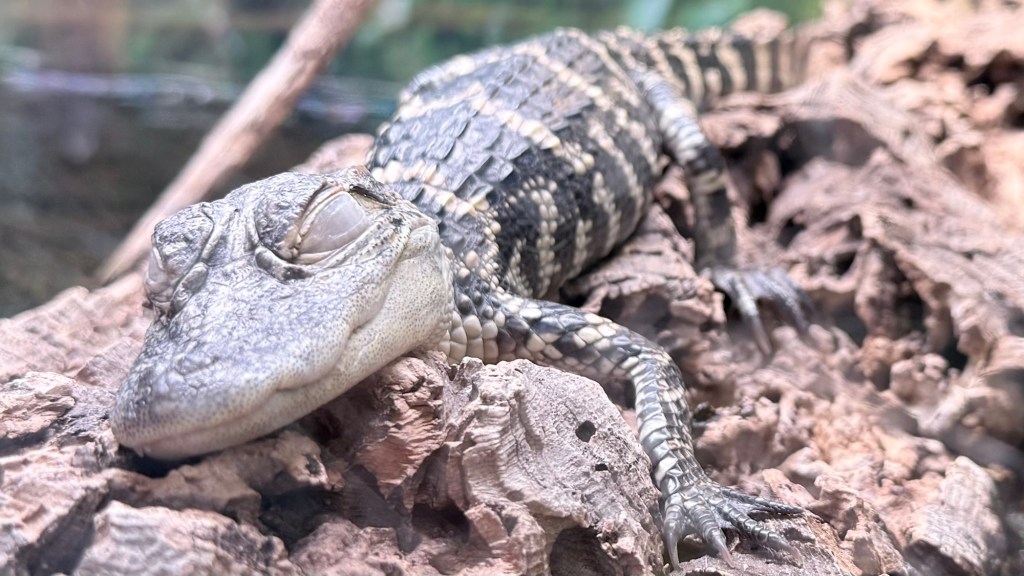
Ssssshhhhh! This baby American Alligator is sleeping.
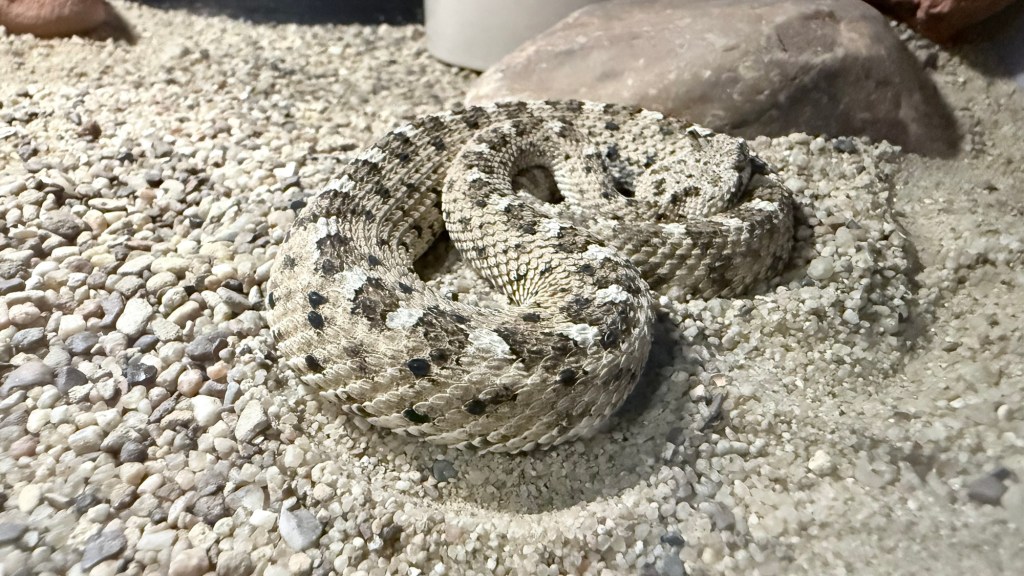
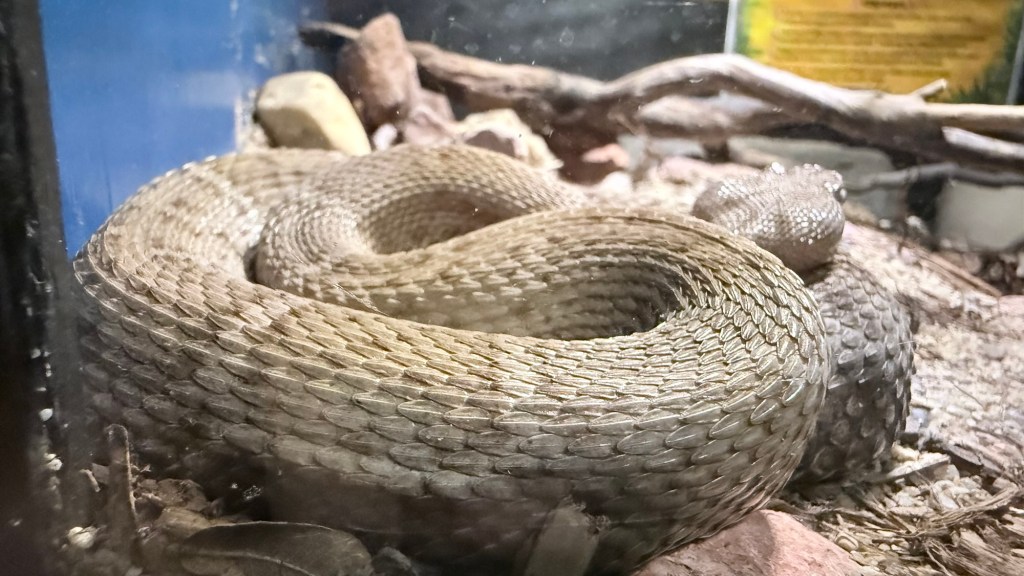
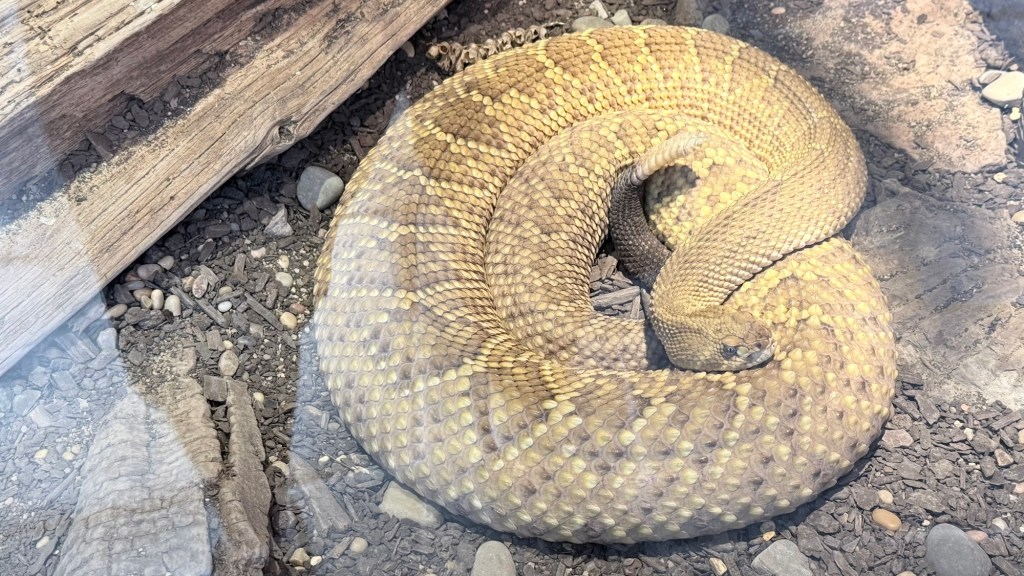
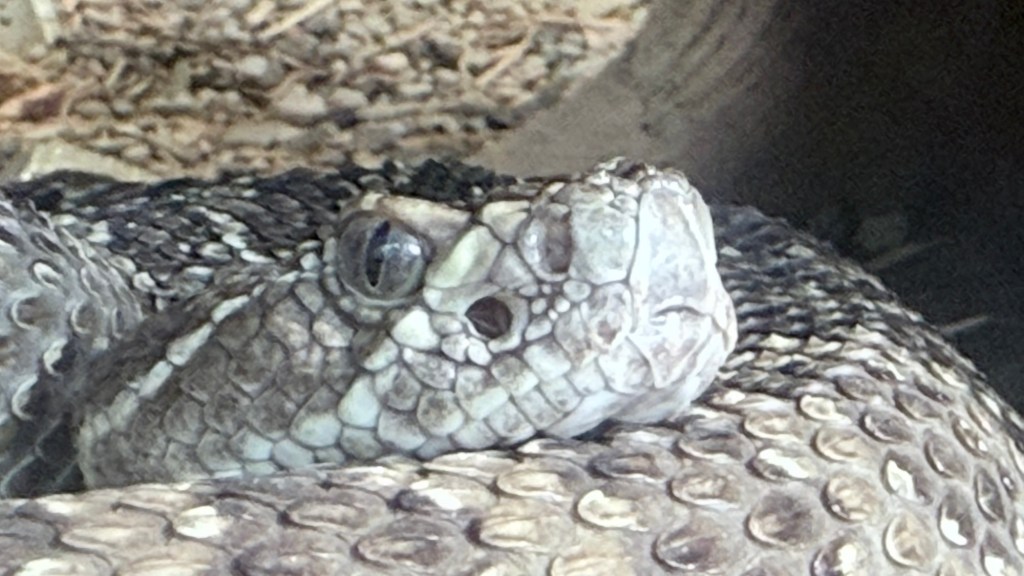
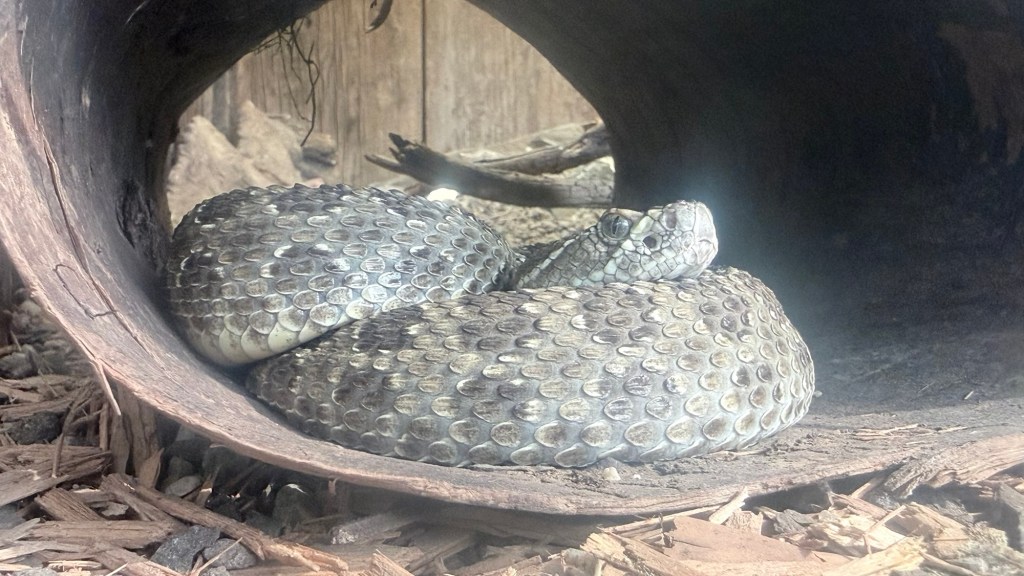
And now we come to the sneaky, slippery, slinky, slithery snakes. I didn’t get the names of the first three snakes and didn’t want to wake them to ask but they all appear to be in the rattlesnake family.
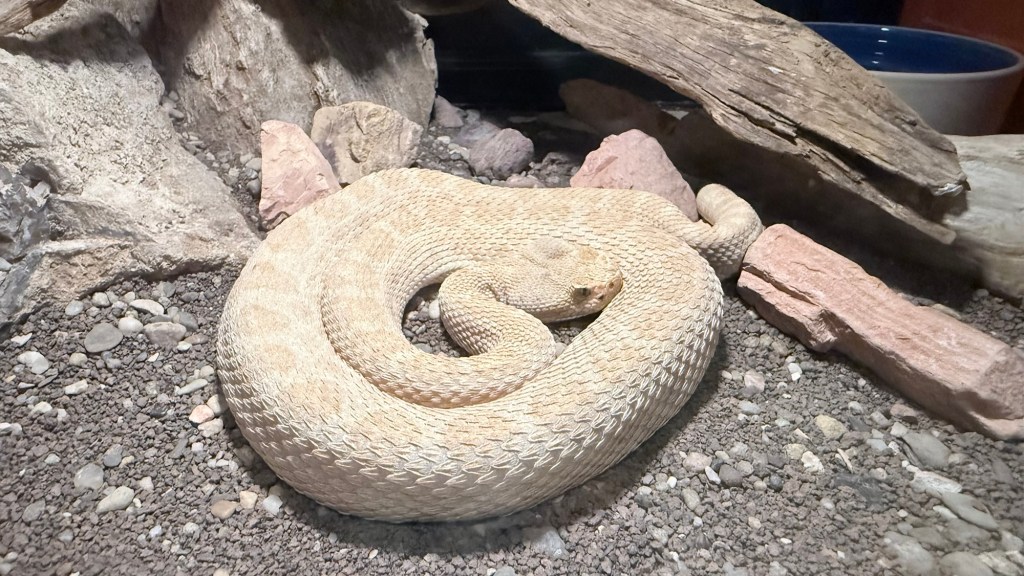

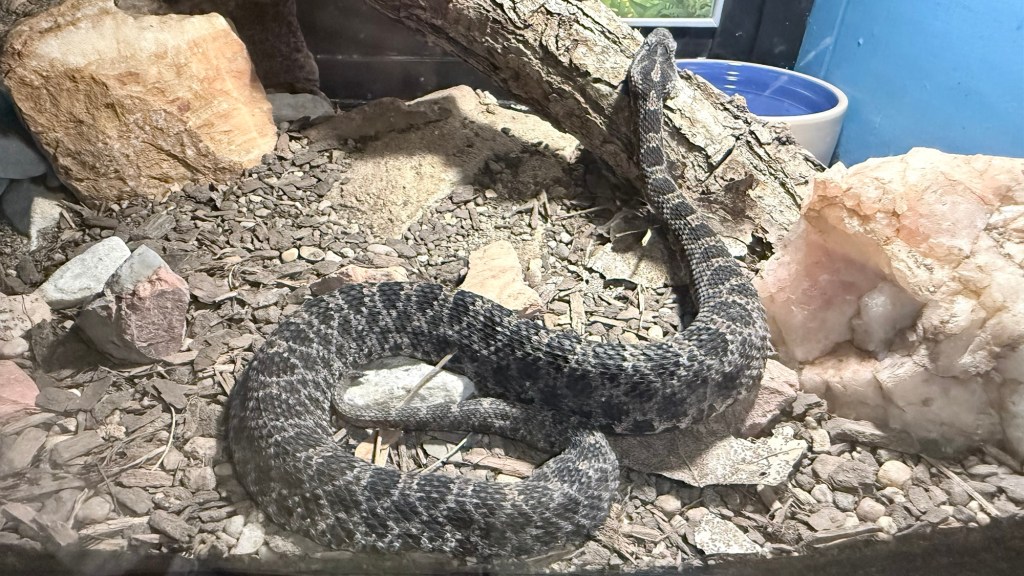
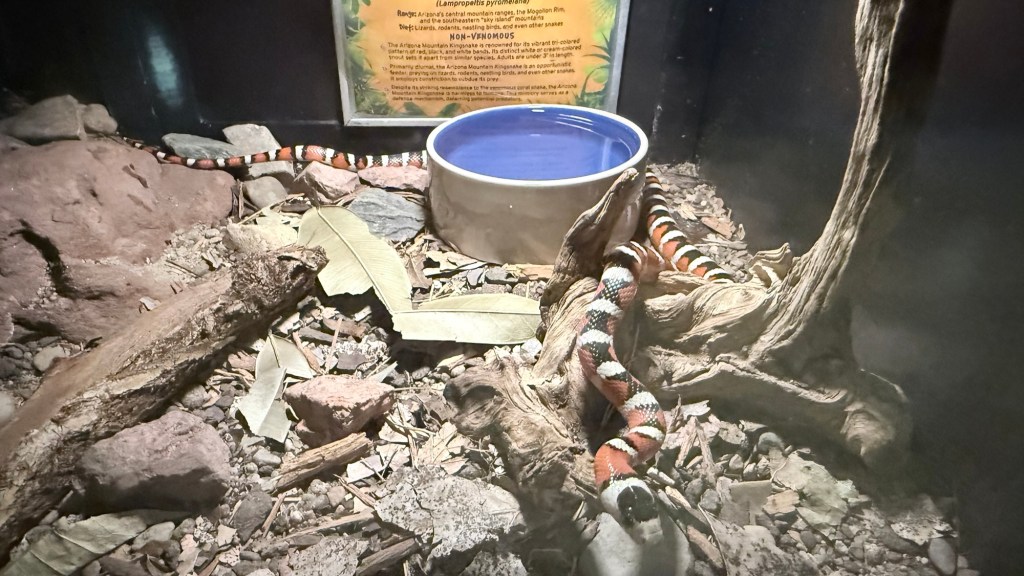
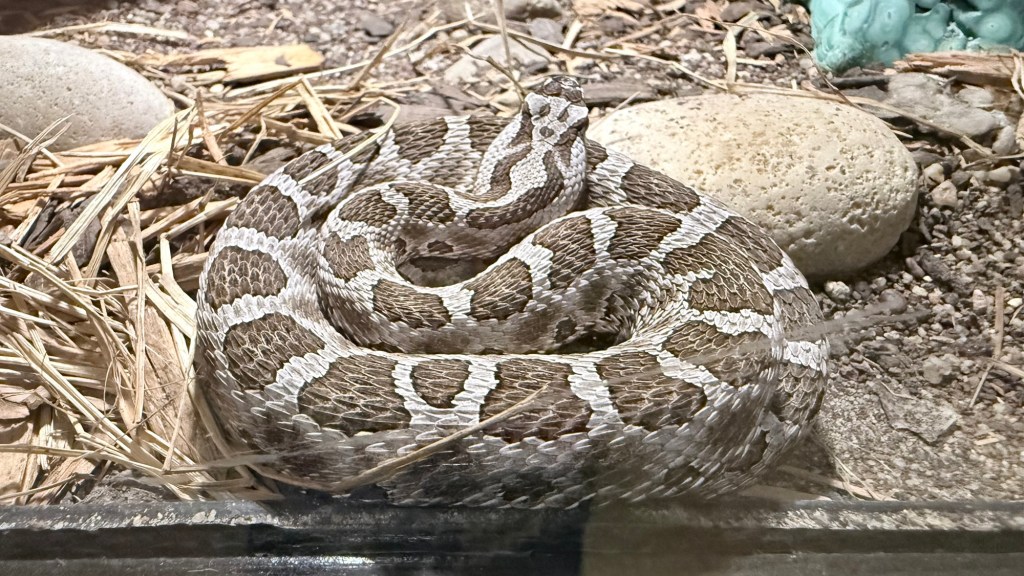


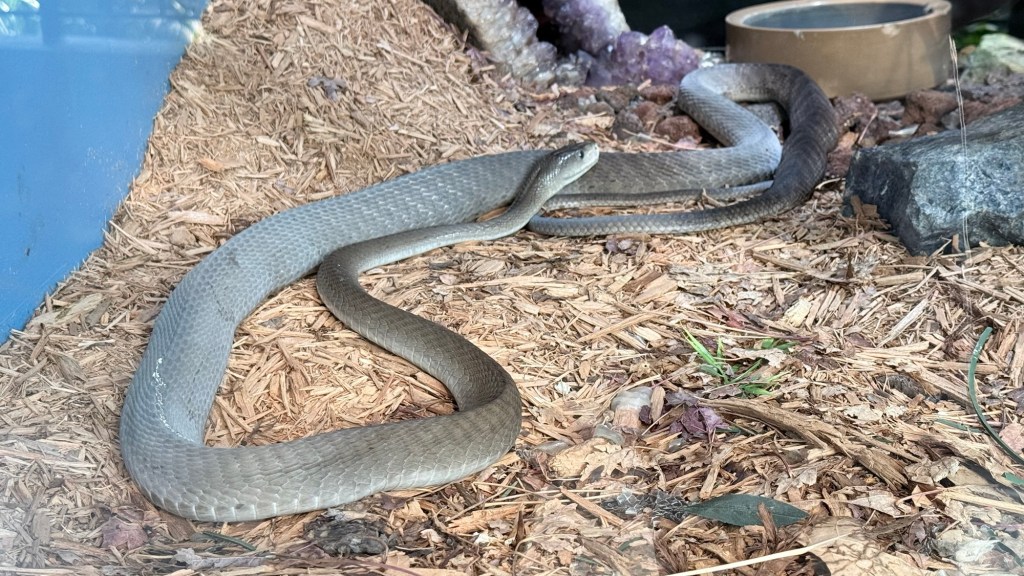
The following snake is the West African Green Mamba. Like his cousin the Black Mamba, he is highly venomous but, unlike his cousin he is less likely to attack unless provoked so humans are rarely bitten by them in the wild.
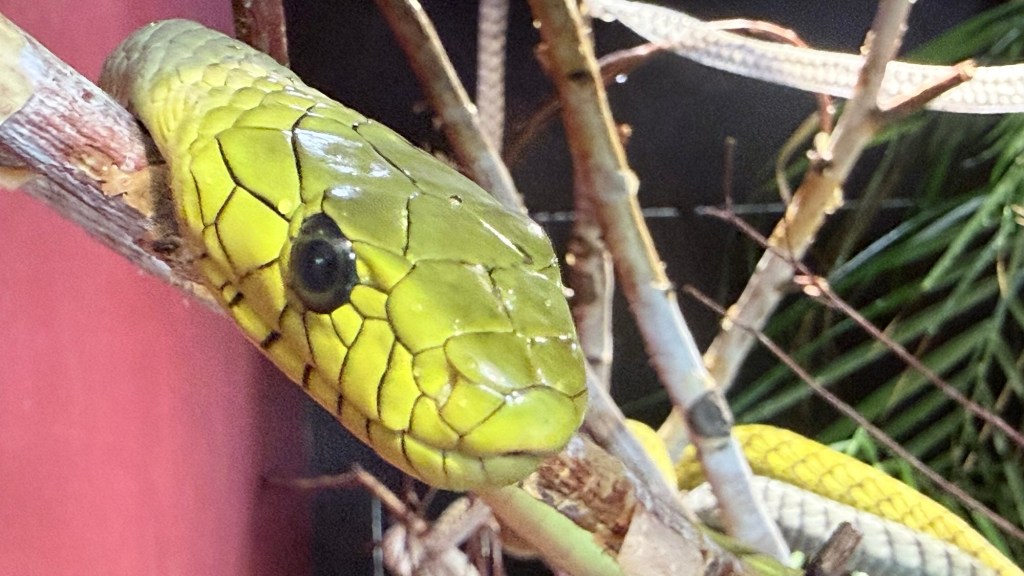
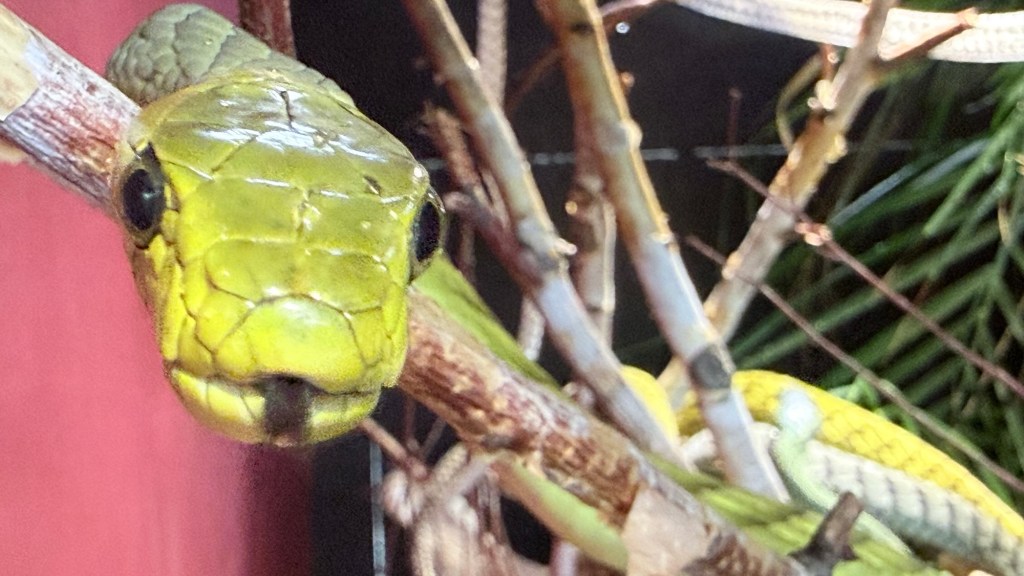
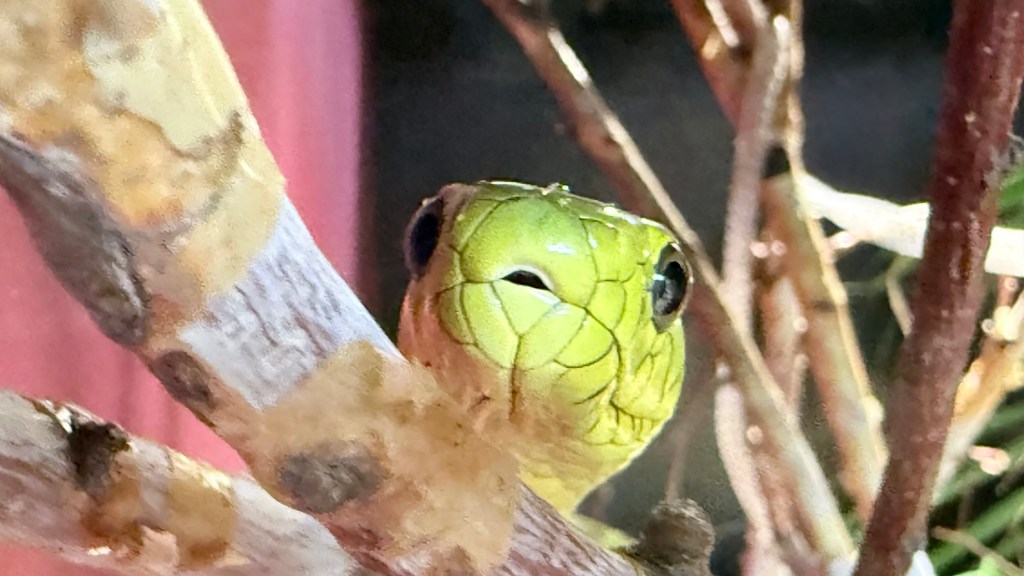

And next is the Santa Catalina Island Rattlesnake. He is also known as the Rattleless Rattlesnake because they are, curiously, unable to grow a functioning rattle. The button at the base of the tail falls off during each shedding cycle instead of stacking up as seen in other rattlesnake species. They also tend to spend a lot more time in shrubs and low hanging trees than most species of rattlesnakes. They are venomous and found exclusively on the tiny island of Santa Catalina off the coast of Baja Mexico.

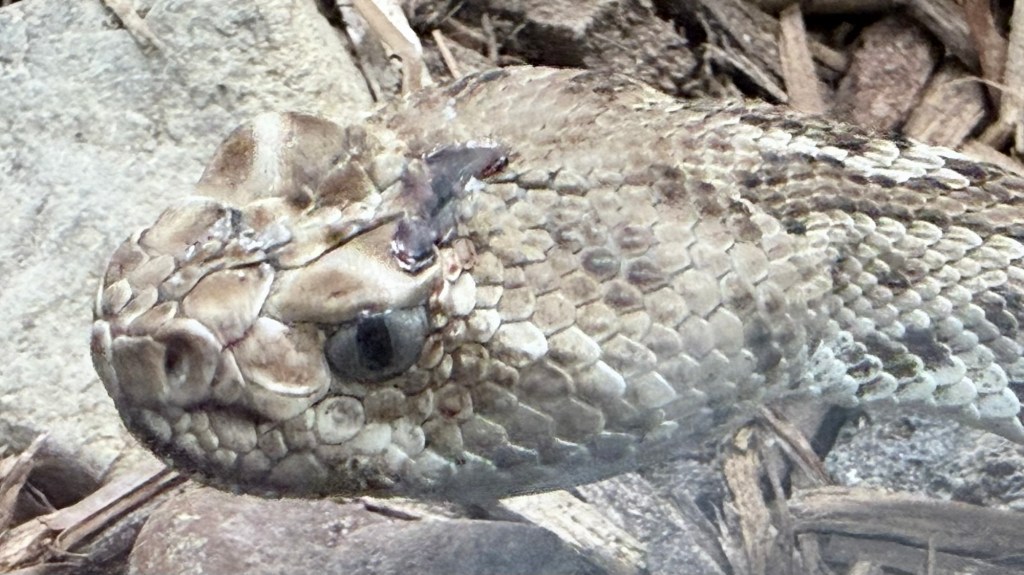

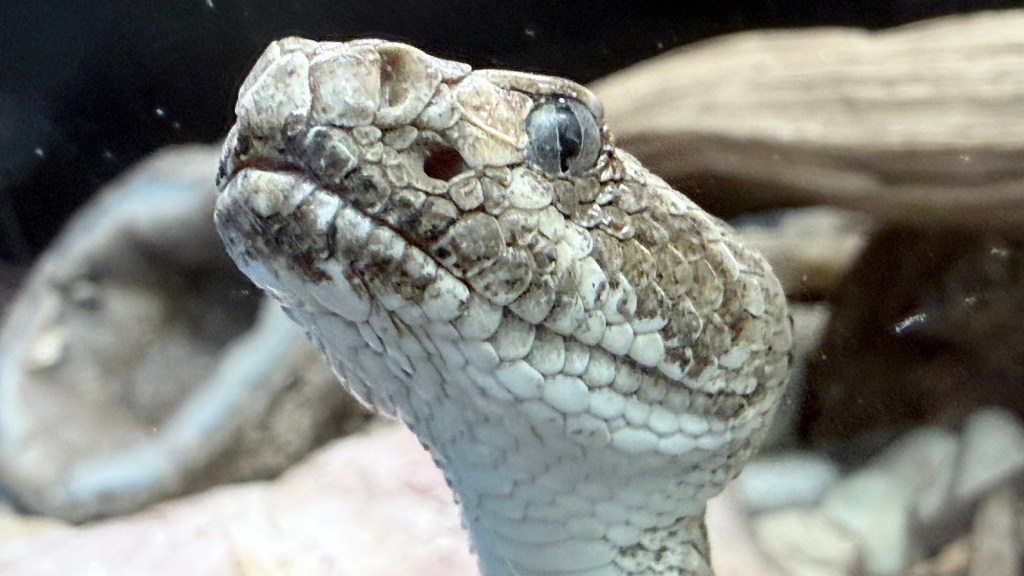
Here we have the Papuan Taipan. Despite their paltry size, a single bite from a Papuan Taipan can have enough venom in it to kill three hundred people. New Guinea has the third highest rate of death in the world, largely due to the Papuan Taipan. They are still very rare in collections due to their size, speed, agility, and tremendously toxic venom.

This beauty that hails from Asia is an Indian Speckled Cobra. This species of cobra is one of the most common venomous snakes in the world and kills more people worldwide than all other venomous snakes combined, probably because their venom is forty times more toxic than cyanide.
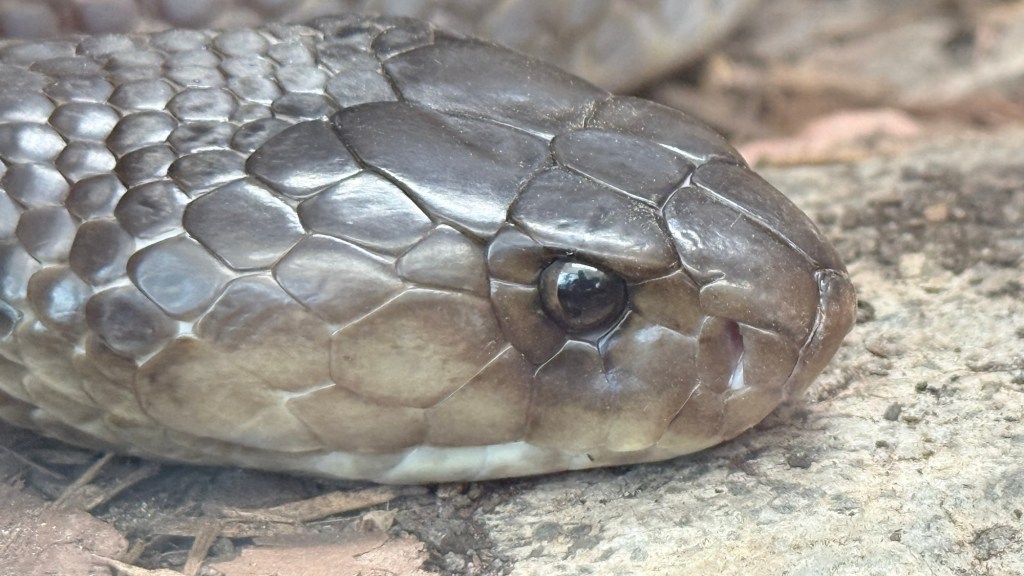
And then there’s the King Cobra (called “King” for its diet) the Latin name translates to “snake-eater.” They are the largest of all the world’s venomous snakes with a maximum length of eighteen feet and, yes, they eat other snakes. Although not possessing an extremely potent venom, the King Cobra’s size and the vehemence of its attack make a lethal bite from a King Cobra very likely.
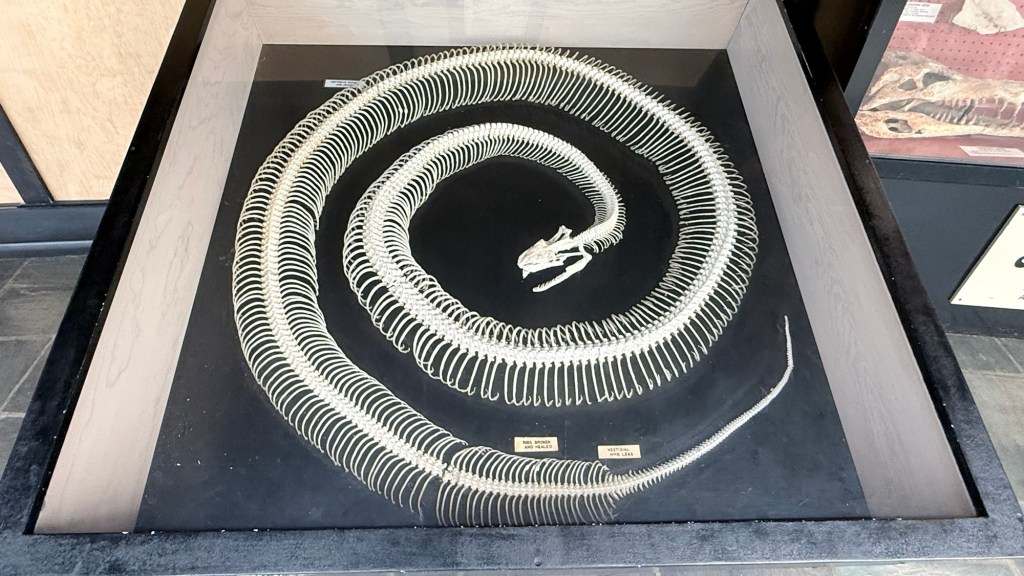
This fossil was a Burmese Python who, while alive, weighed one hundred and fifty pounds and was nineteen feet long!
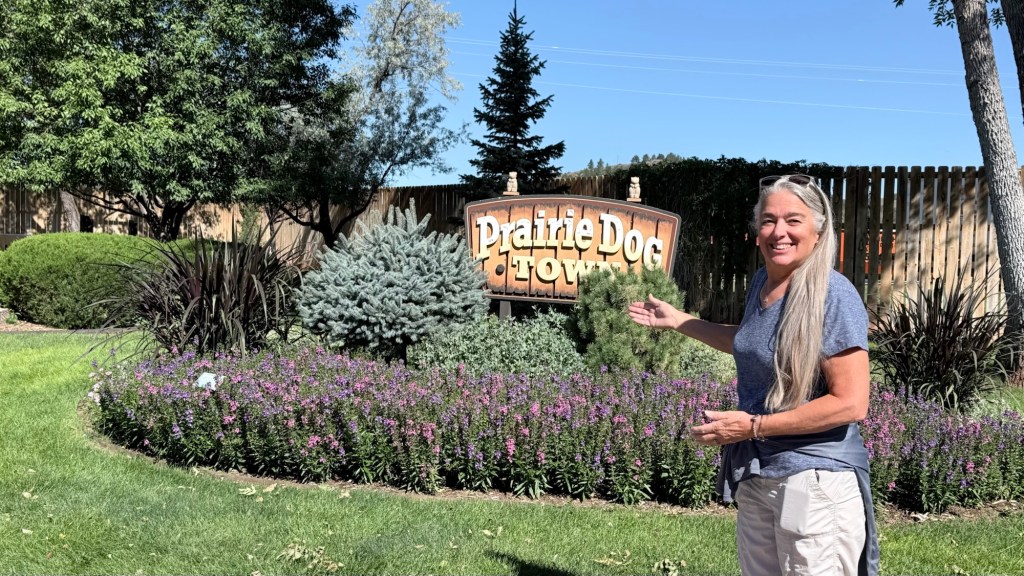
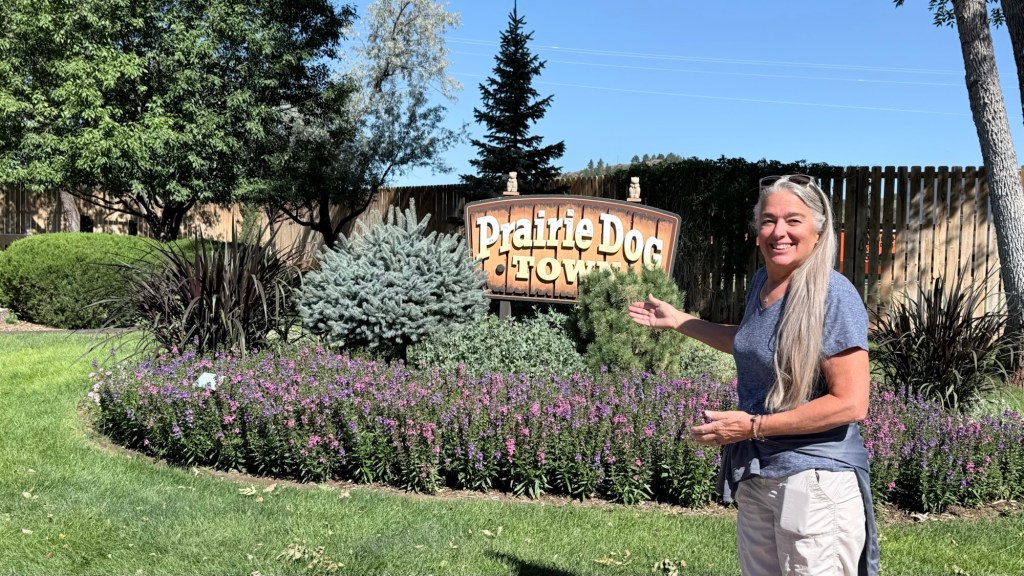
Okay, that’s enough snakes! How about some cute and cuddly Prairie Dogs? They’ve got a Prairie Dog Town here! The Prairie Dogs here, in comparison to the ones we’ve seen in the wild, are plump and content. They have no natural enemies here so they just laze around all day.
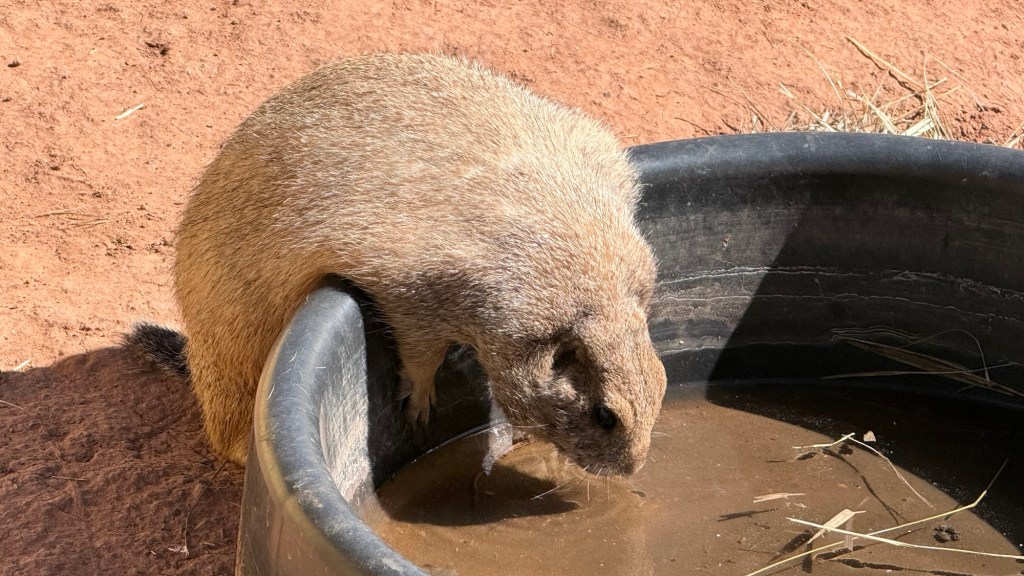
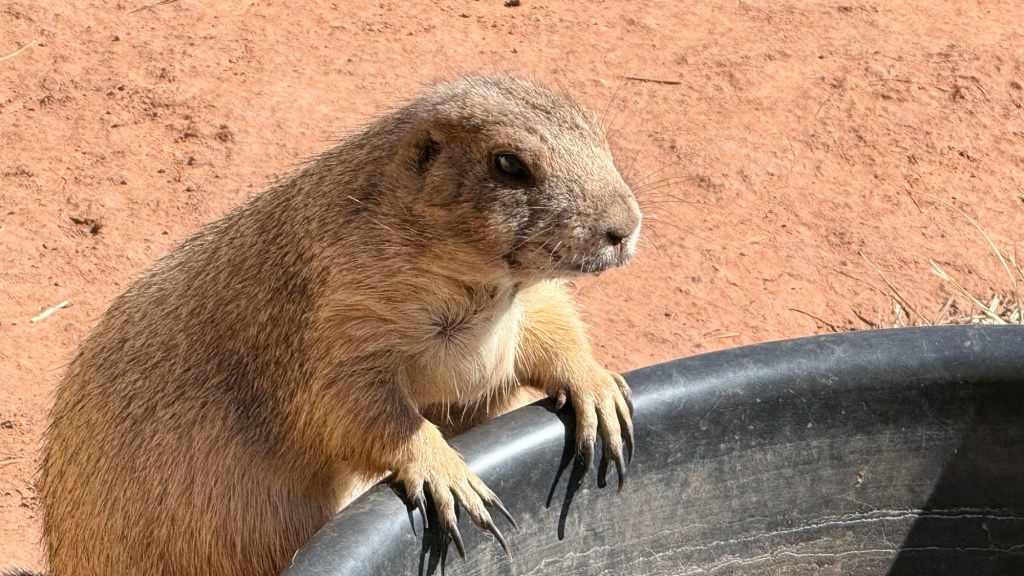
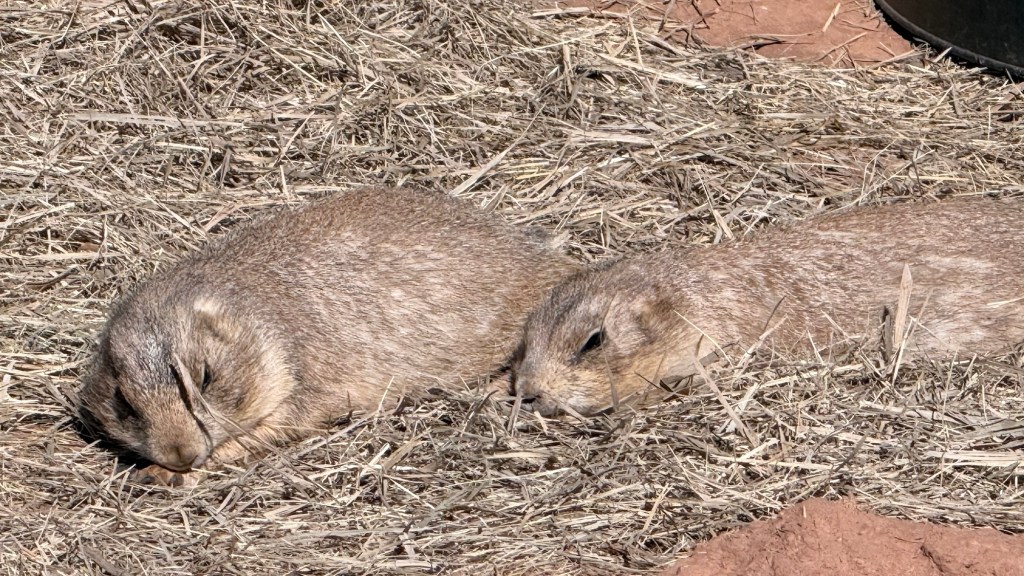
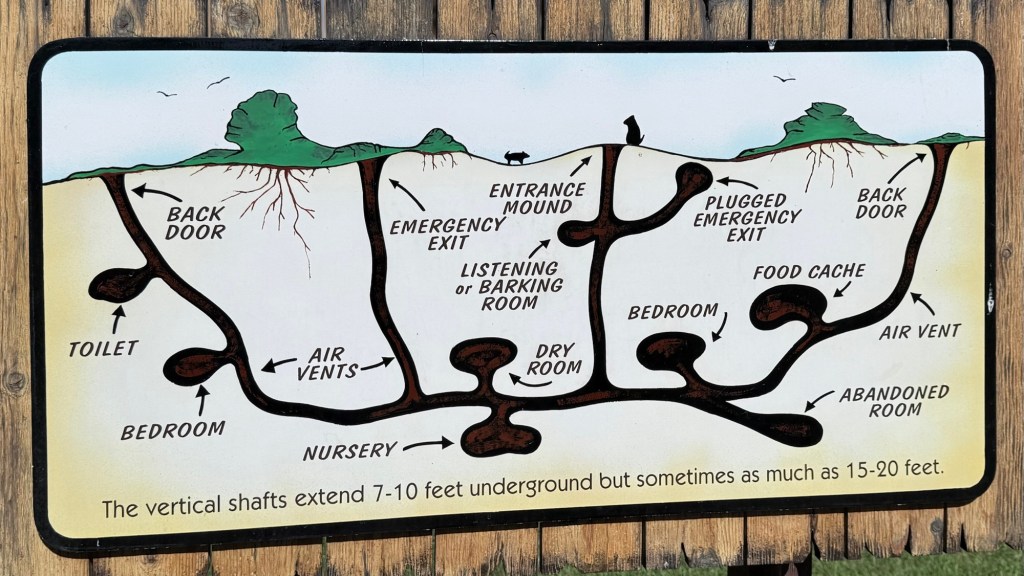
The entrance to a prairie dogs burrow looks like a volcano. This provides protection from flooding as well as a lookout for predators.
Other creatures who reside here are…
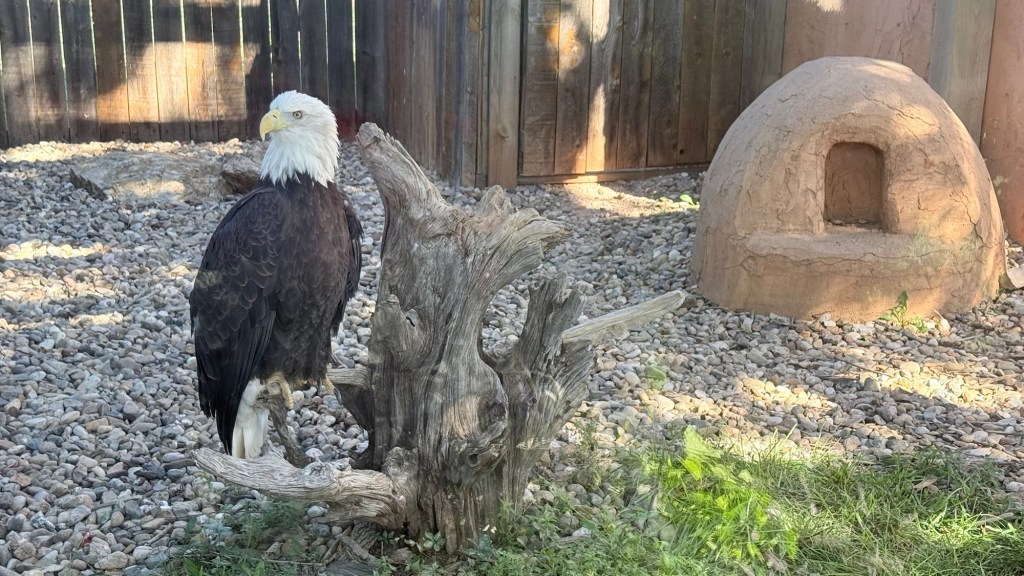
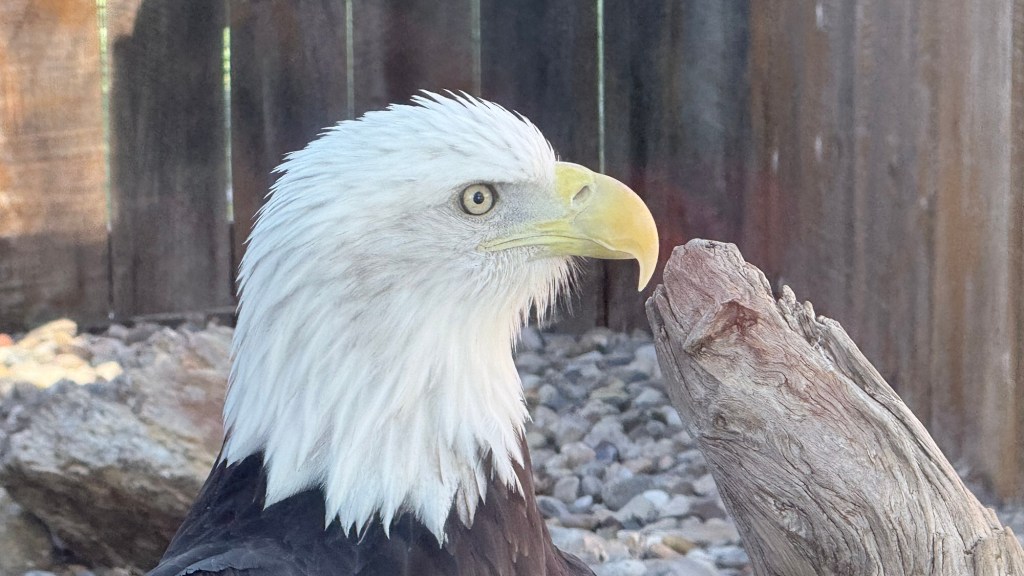
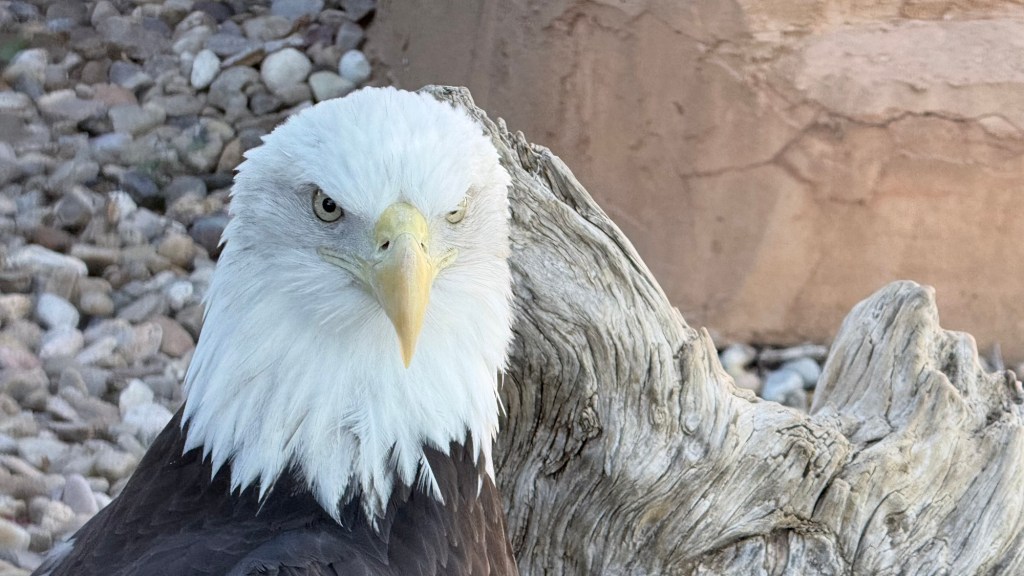
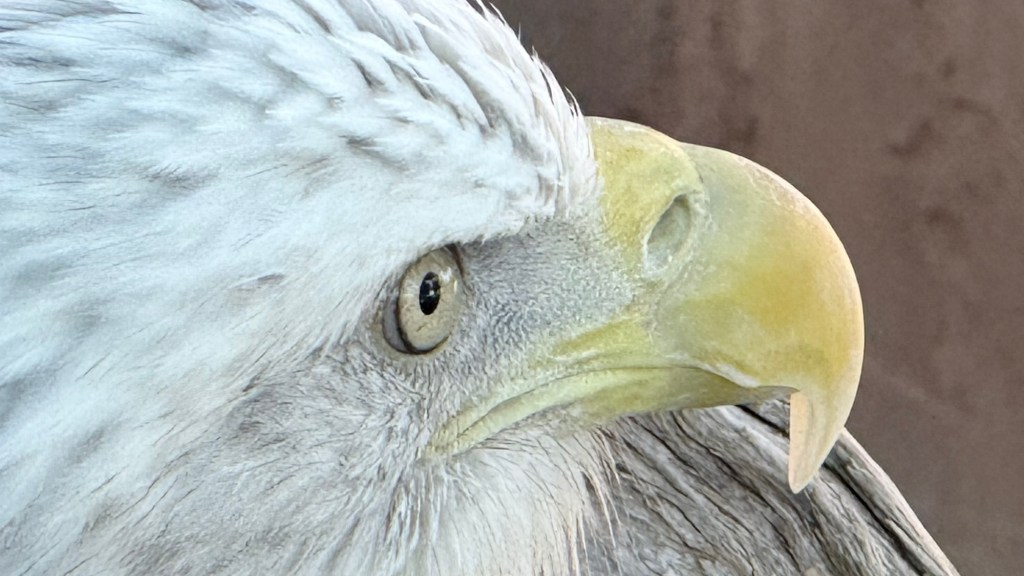
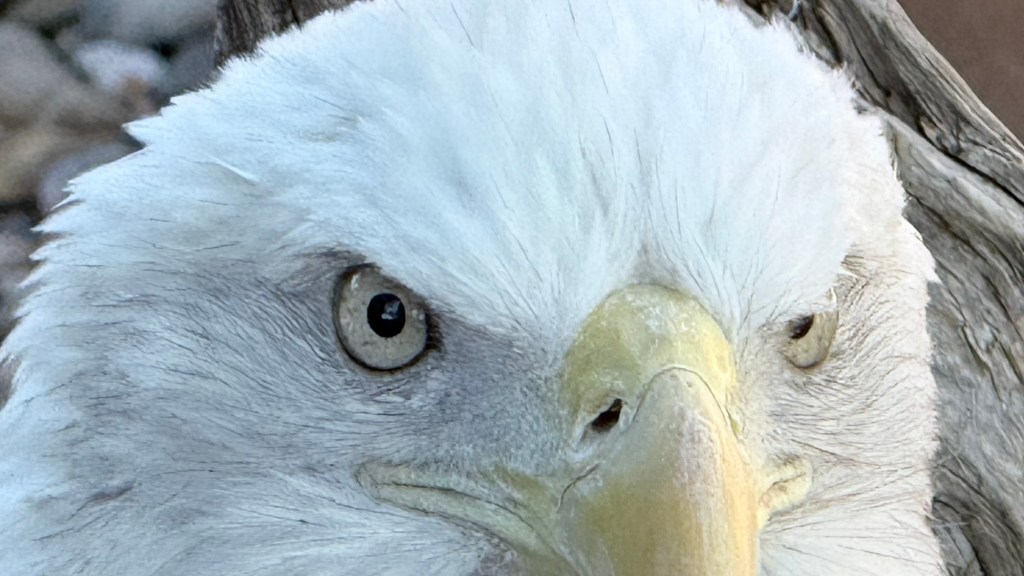
This is Cheyenne. Cheyenne was found in Nebraska with a badly damaged wing (possibly from a gunshot), emaciated and near death. A Bald Eagle can be exhibited only if it cannot be released back into the wild.
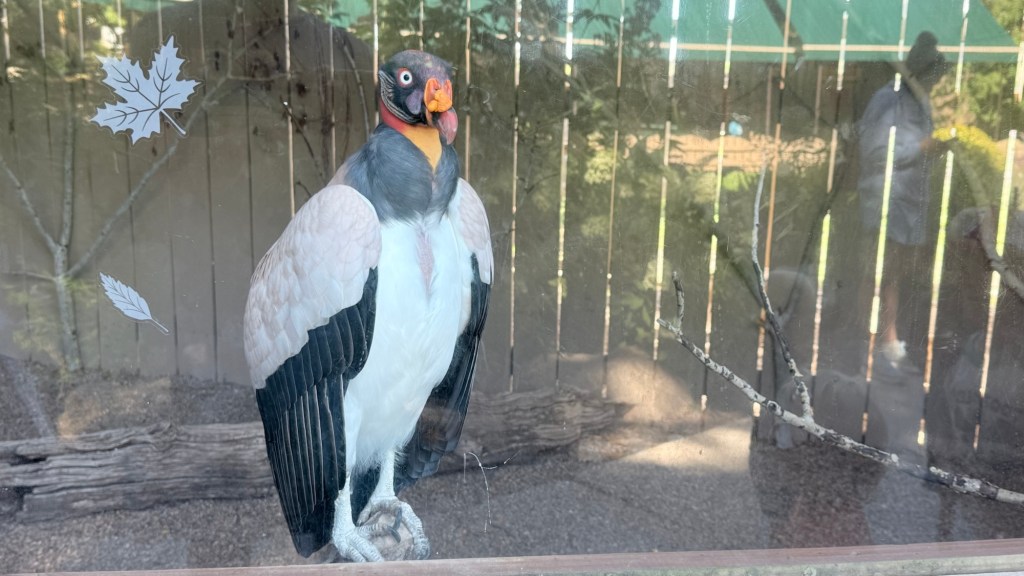
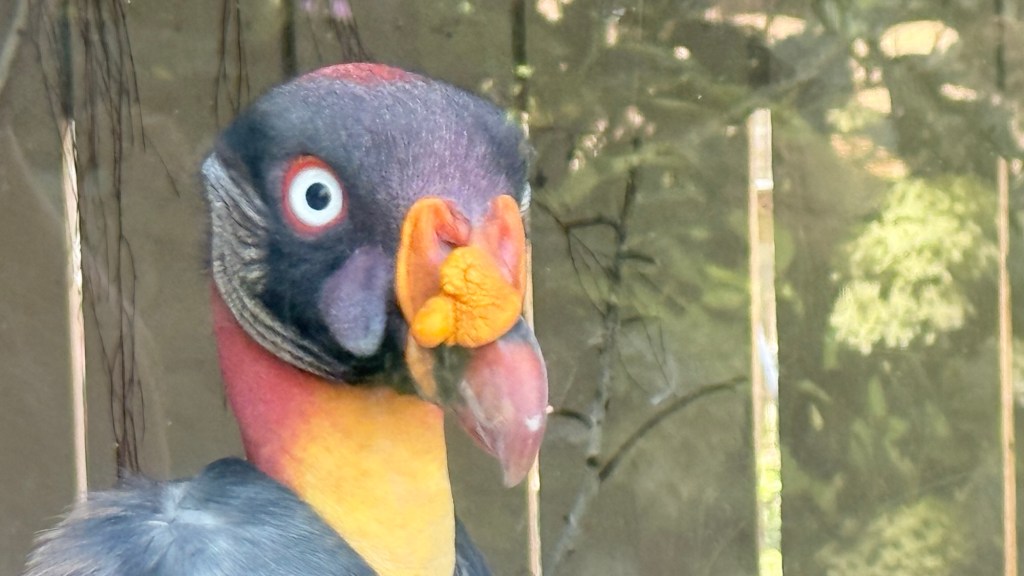
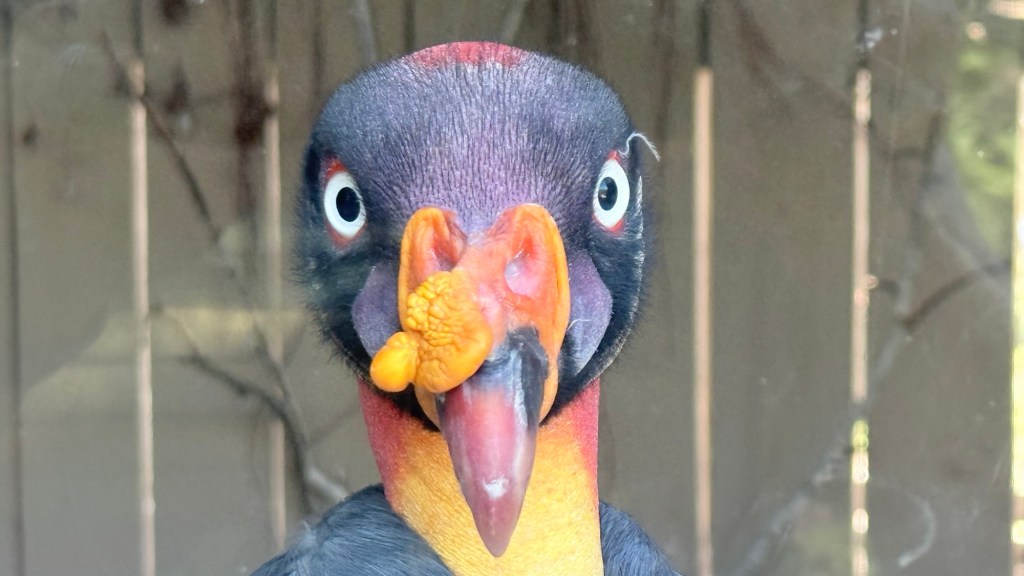
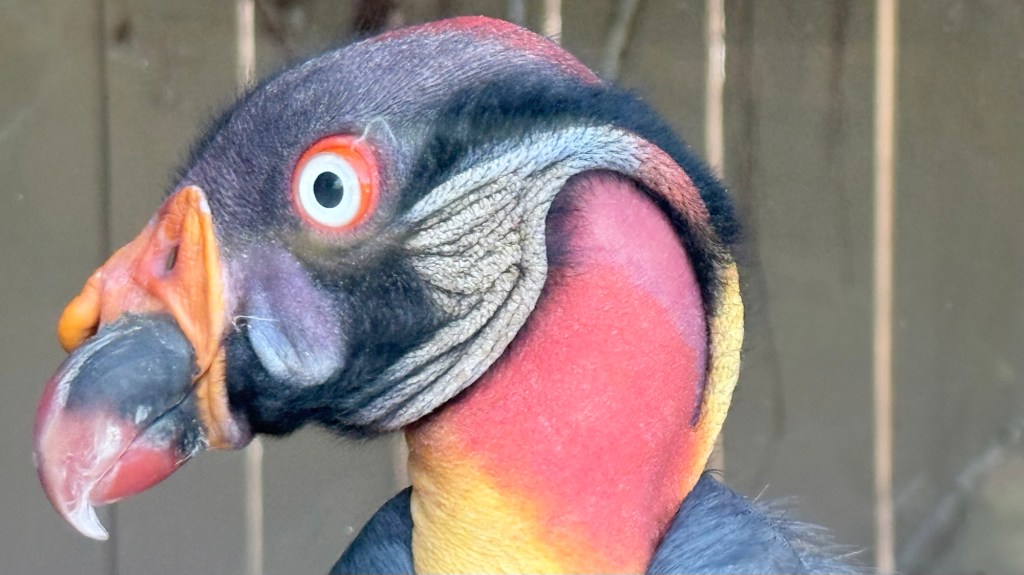
The King Vulture is…pretty…? Vultures are Mother Nature’s clean-up crew. Not only do they get rid of rotting carcasses, they also help stop the spread of disease. Vultures’ stomach acid is so strong, it kills any diseases they ingest including rabies, salmonella, cholera, and anthrax!
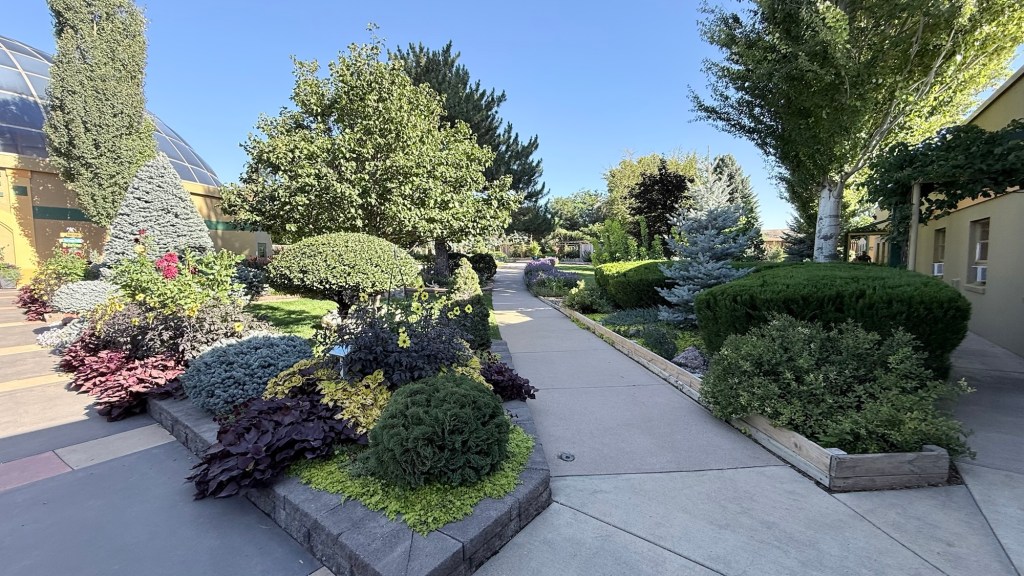
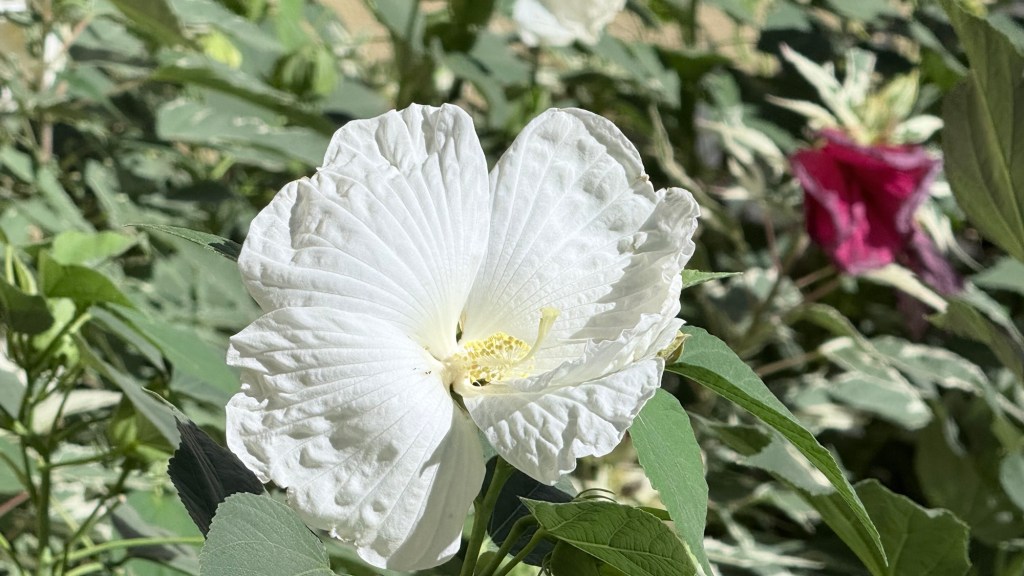
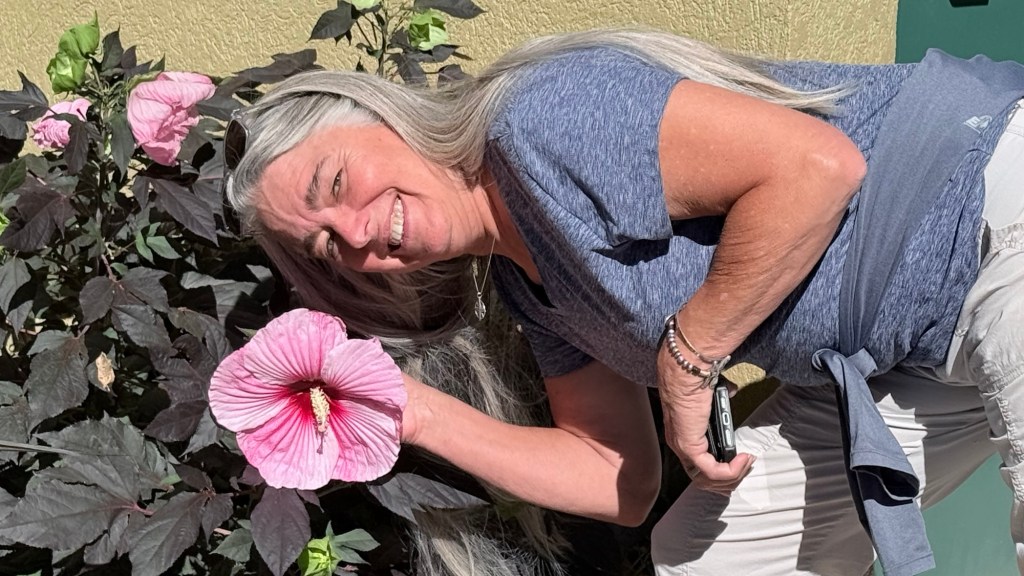
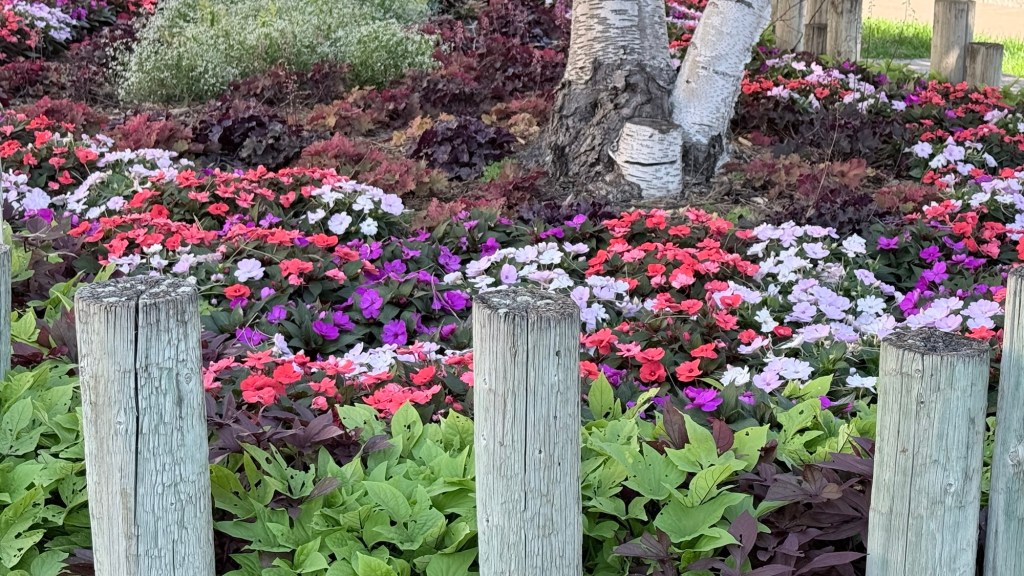
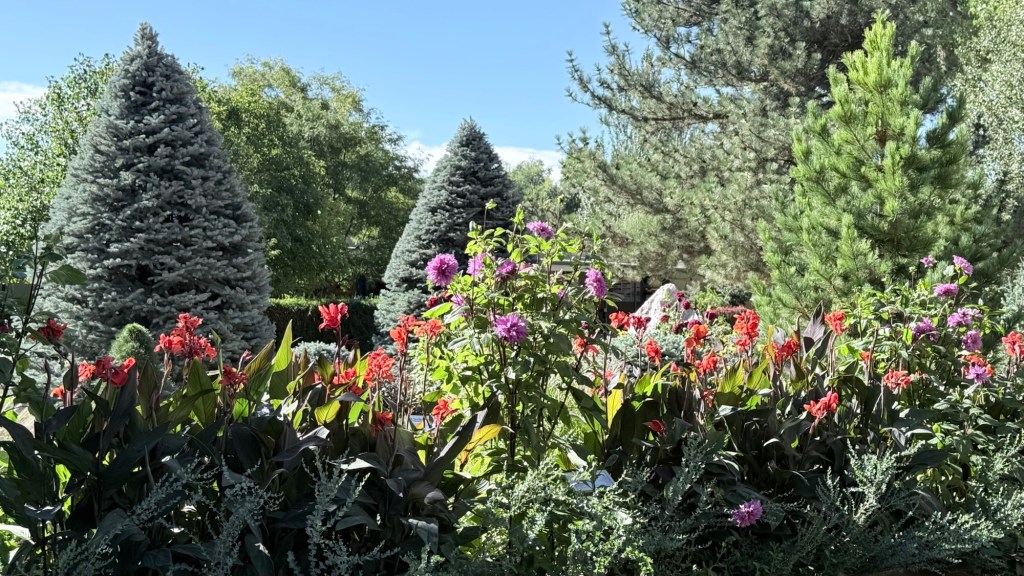
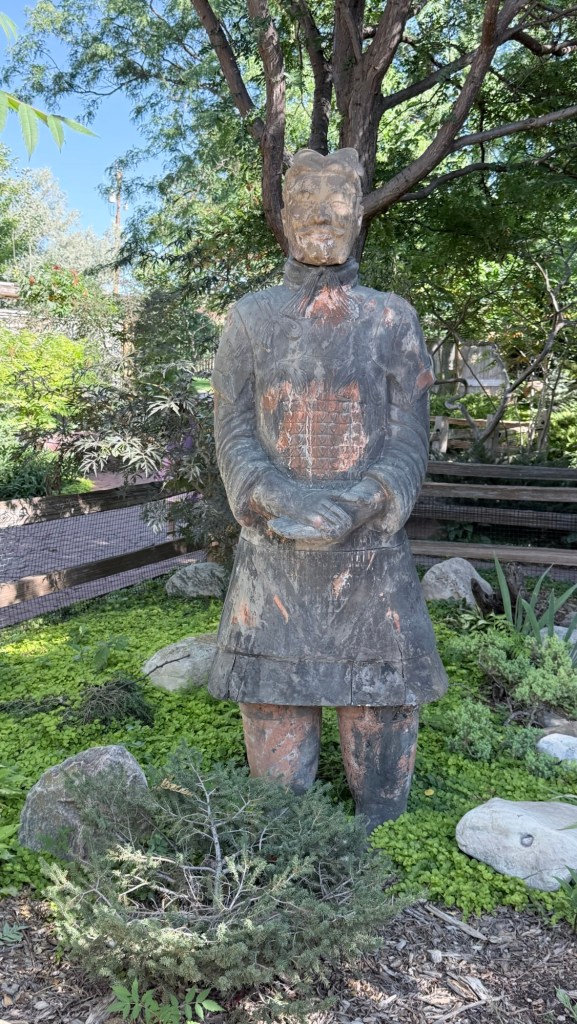
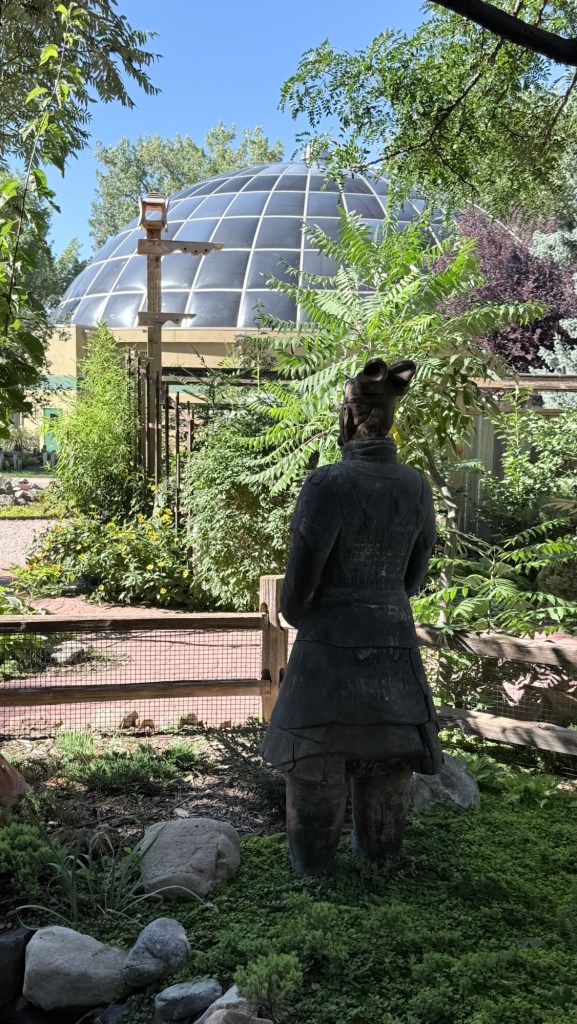
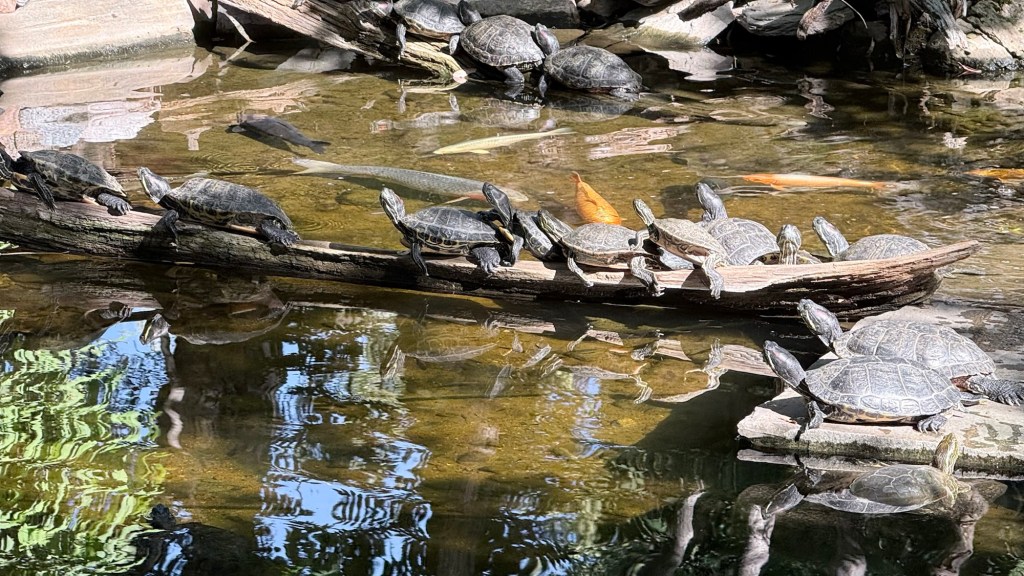
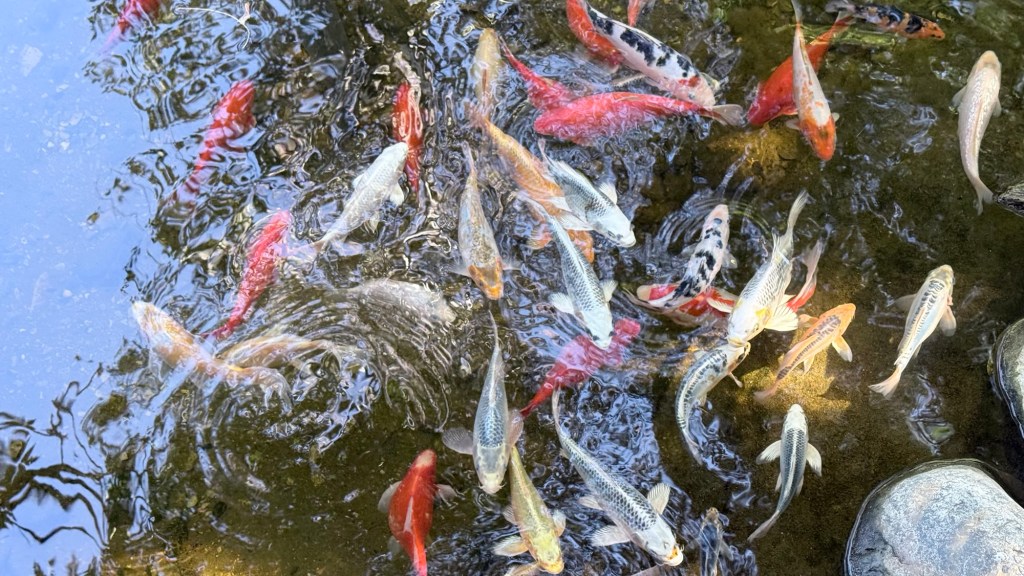
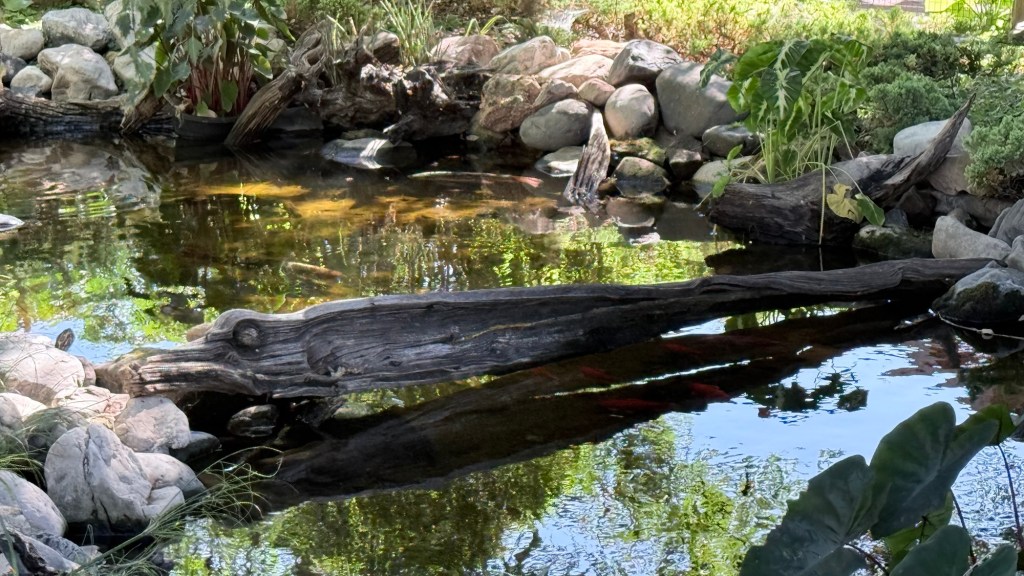
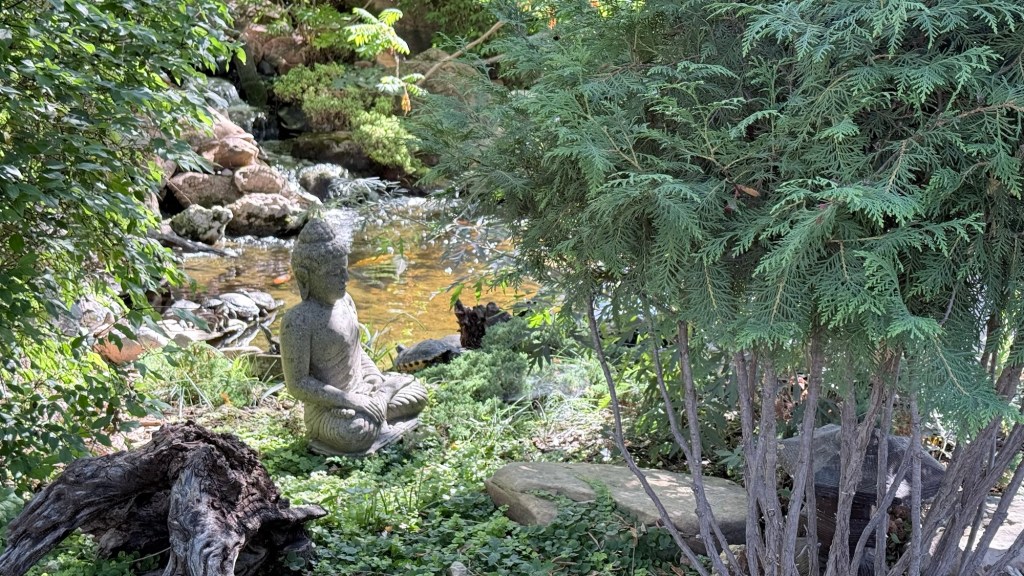
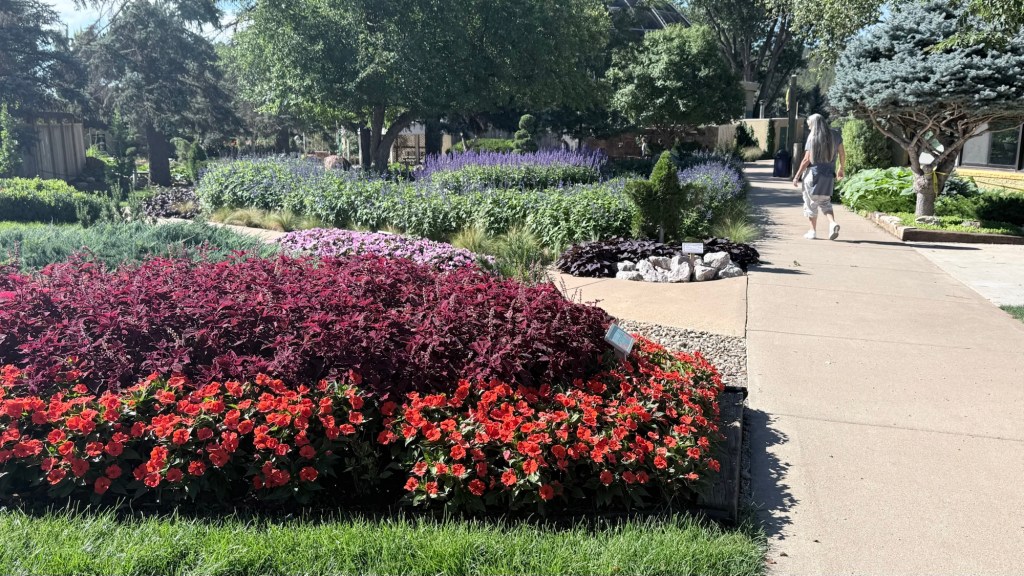
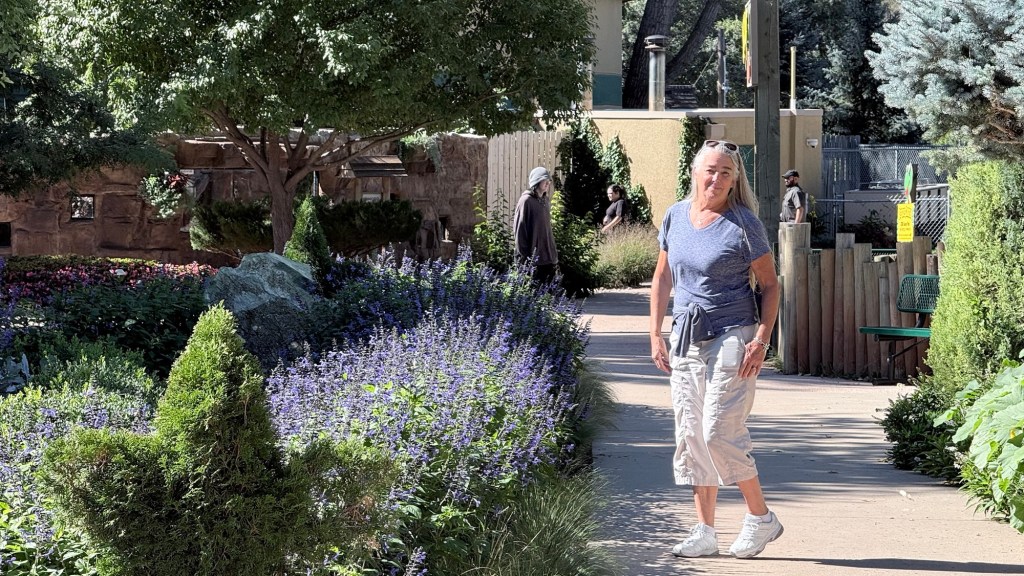
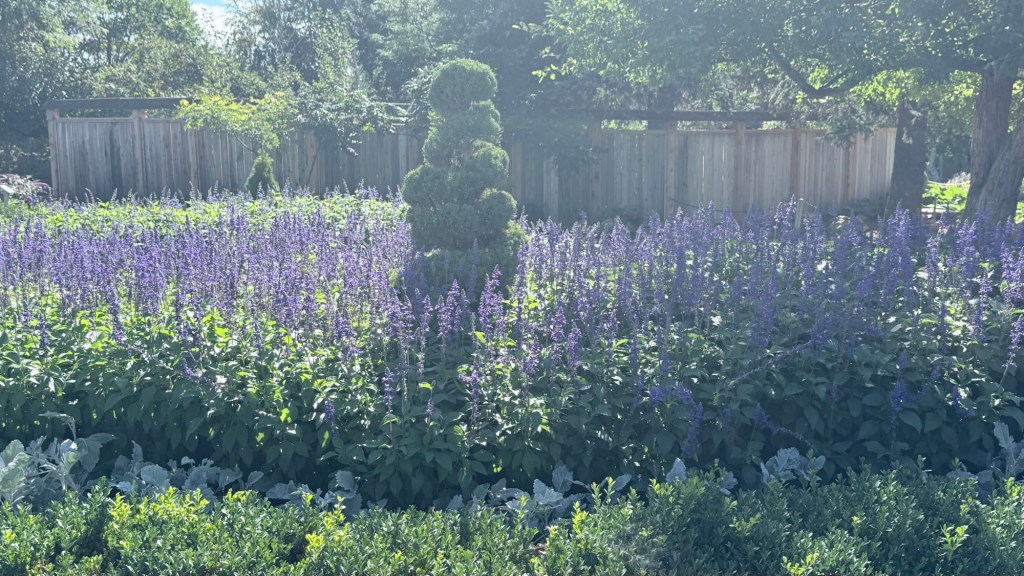
And then there was the outside gardens that were beautifully manicured and very relaxing to stroll through. Enjoy!
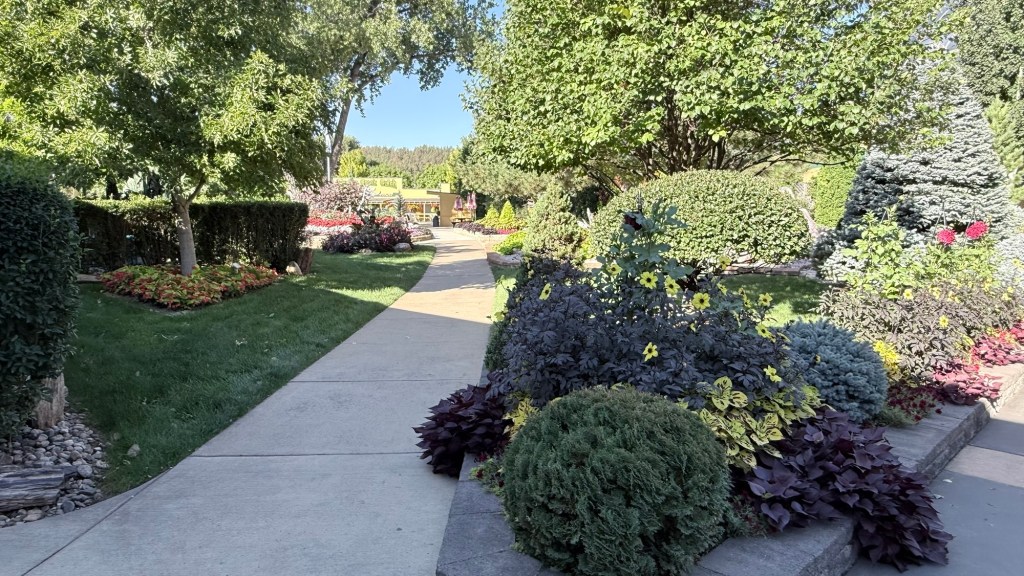
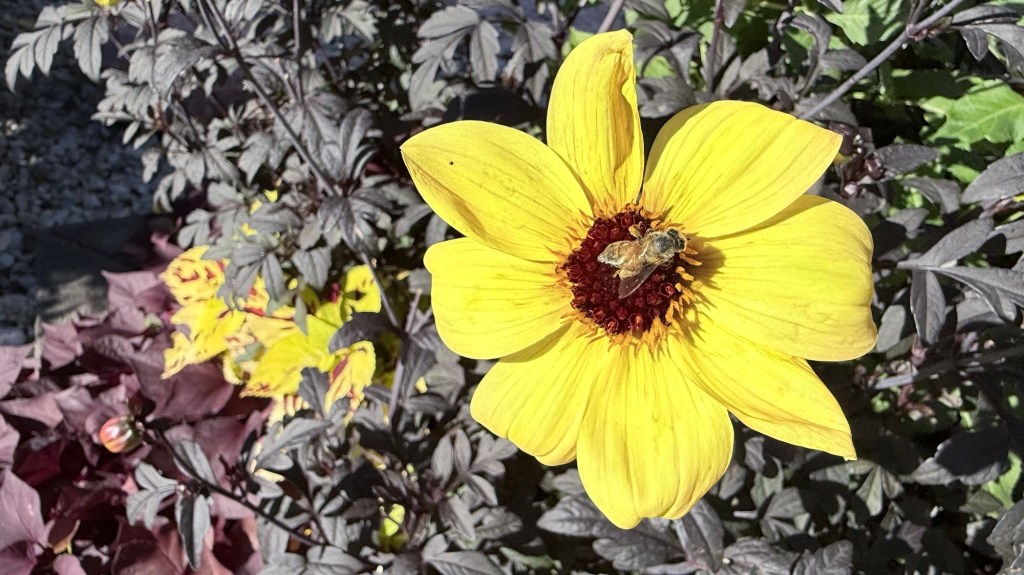


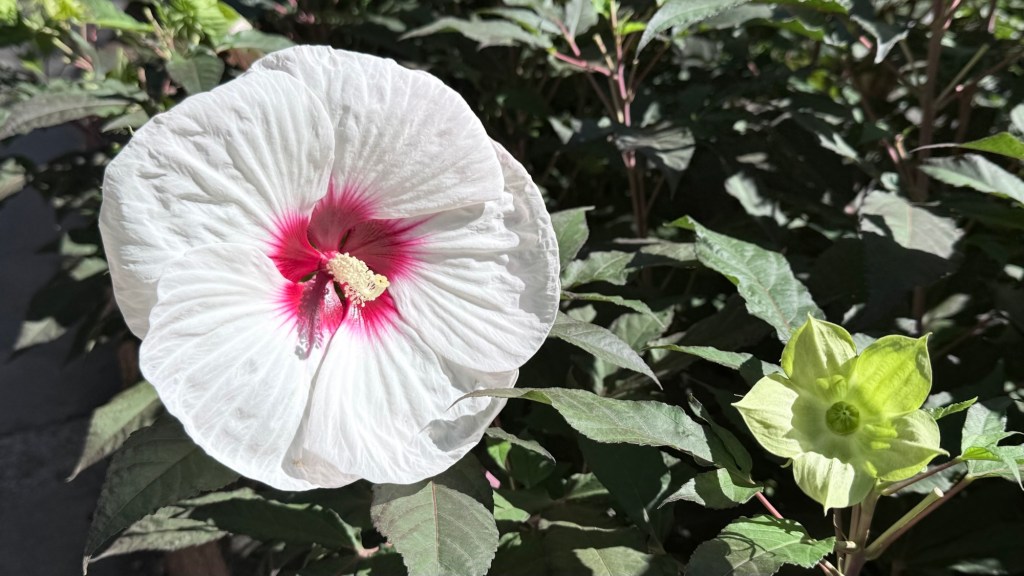

I hope you weren’t too creeped out by some of the local residents and enjoyed your tour of this amazing place.
The gam continues…


Sorry, this one’s yucky. I’d rather have flowers.Have a good trip! I hope you folks enjoyed this oneFrom your flowery neighbor🌻🙋🏻♀️Sent from my iPhoneOn Sep 10, 2026,
LikeLike